Digitize Wardrobe App: Smart Closet Management in 2026
Digitize wardrobe app transforms your closet into a decision engine with AI outfit planning, cost-per-wear tracking, and wear analytics. Learn how modern apps eliminate setup friction.

How to Digitize Your Wardrobe: The Complete 2026 Guide
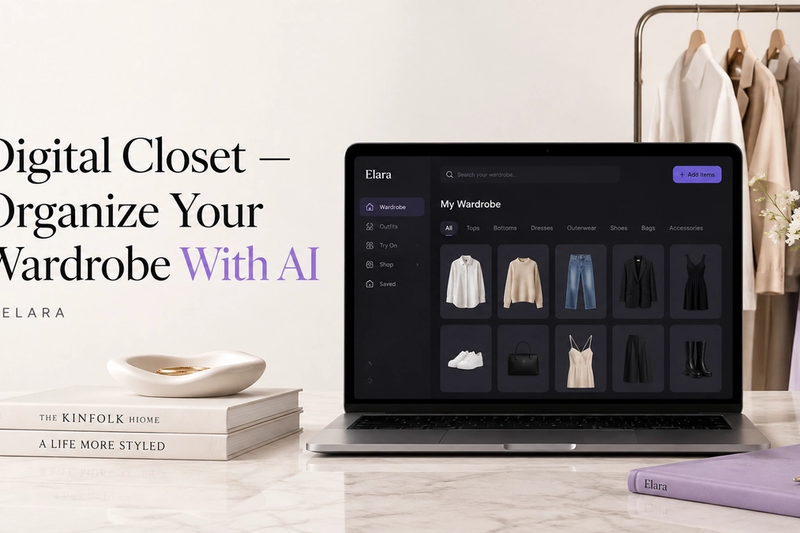
A digital wardrobe is a searchable, organized version of your physical closet. You upload your clothes, the app catalogs them with metadata — category, color, brand, occasion tags, wear count — and that data becomes the foundation for outfit suggestions, cost-per-wear analysis, and smarter shopping decisions.
The wardrobe app market was valued at $3.67 billion in 2025 and is projected to reach $12 billion by 2035 at a 12.6% CAGR (Wise Guy Reports). That's not a niche trend. It's mainstream adoption of a behavioral shift: people increasingly want tools that help them use what they own rather than accumulate more.
This guide covers the practical steps to digitize your wardrobe, the features that actually change behavior, and how to choose the right app to do it.
What Digitizing Your Wardrobe Actually Means
There's a meaningful difference between two approaches:
Passive digitization is a photo archive. You can scroll your clothes, but the app doesn't do anything with that information. It's a prettier version of the same problem — you still don't know what to wear.
Active digitization turns that same data into outfit suggestions, wear frequency analytics, cost-per-wear calculations, and shopping gap analysis. One is a filing cabinet; the other is a stylist.
The value compounds over time. In the first week, you have a catalog. After three months of logging what you wear, you have behavioral data. After six months, the app knows your patterns well enough to surface the jacket you forgot you owned and pair it with something you wear constantly. That intelligence doesn't exist on day one — it builds as the system learns you.
How Elara Processes Your Wardrobe: A Real Example
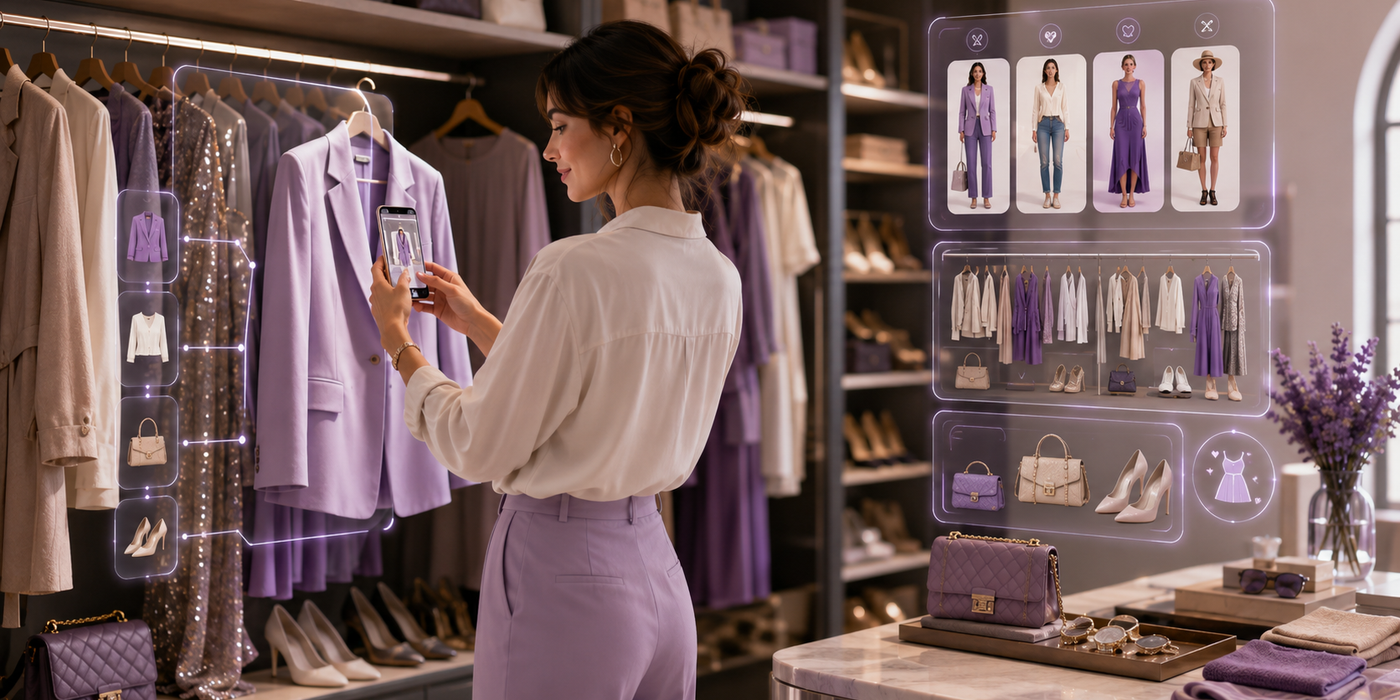
Here's what the workflow looks like in practice with Elara:
- You open the app and photograph your navy blazer against any background.
- The AI removes the background, auto-tags it: "blazer, navy, structured, business casual, formal-leaning."
- You correct any errors in seconds, then add the purchase price.
- The app cross-references that blazer against everything else in your closet.
- Next time you ask for a Thursday work outfit, Elara surfaces it alongside three other items it knows you've worn together — with reasoning for why this combination works for the context you described.
This is active digitization. The upload isn't the product; the intelligence it enables is.
The Setup Friction Problem (And Why It's Been Solved)
The biggest historical barrier to wardrobe app adoption was setup time. Manually photographing, tagging, and pricing an entire wardrobe — even a medium-sized one — could take hours. For most people, that's enough friction to quit before the app delivers a single useful recommendation.
AI-assisted onboarding has changed the equation. A modern digitize wardrobe app:
- Removes backgrounds automatically
- Auto-suggests tags for category, color, brand, and occasion
- Cross-references email receipts to pull in purchase price
- Uses AI to handle the heavy lifting so you're correcting errors rather than creating entries from scratch
Ready to upgrade your wardrobe?
Get the Elara app for AI-powered styling and virtual try-ons.
Elara takes this further with conversational onboarding. Instead of forcing you through a rigid checklist, it lets you describe your style in plain language while items are being added — reducing cognitive load by meeting you where you are rather than demanding you adapt to a structured form.
The Features That Actually Change Behavior
Cost-per-wear tracking. A $200 blazer worn 50 times costs $4 per wear. A $40 impulse top worn once costs $40 per wear. That calculation inverts the conventional wisdom that cheaper items are better value — and it's only visible when you're tracking what you actually wear. Users who see this data consistently report reconsidering fast-fashion purchases because the math no longer supports them.
Outfit planning from what you own. Most wardrobes have items buried in the back that pair perfectly with things worn constantly, but the mental connection never gets made at 7am. When an app cross-references wear frequency data — "this shirt has been worn 40 times, this jacket zero times, here's how they work together" — it recovers value from clothing that was functionally invisible.
Shopping gap analysis. The difference between "I want something new" and "I need this specific type of piece to complete three outfits I already own" is the difference between an impulse purchase and an intelligent one. Active digitization makes the second question answerable.
Wear frequency and low-use flagging. Items worn fewer than three times become visible — and flaggable for resale. A $120 dress worn once and listed on a resale platform for $60 recovers half its cost. That's a tangible return that has nothing to do with virtue signaling.
Step-by-Step: How to Digitize Your Wardrobe
Step 1: Start with your most-worn category. Tops, outerwear, or whatever you reach for daily. Digitizing what you actually wear first means the app starts generating useful suggestions within the first session — not after you've cataloged 200 items.
Step 2: Use AI capture in good light. Photograph items against any background; the AI handles removal. Let the app auto-tag category, color, and brand, then correct errors. This takes seconds per item with a capable AI.
Step 3: Add purchase prices from day one. Even rough estimates. This activates cost-per-wear tracking immediately so every outfit you log starts generating real financial data.
Step 4: Build your first three outfits in the app. This is where the value clicks. You're not just building a catalog anymore — you're seeing what the intelligence enables.
Step 5: Set a weekly check-in habit. Five minutes to log what you wore and review new suggestions. The more data the system gets, the sharper the recommendations become.
Step 6: Add new items as you buy them. The catalog only loses value if it gets out of date. The habit of adding items as they arrive is easier to maintain than a periodic bulk catch-up.
Frequently Asked Questions
How long does it take to digitize my entire wardrobe? With a quality AI-assisted app, a medium wardrobe of 100–150 items typically takes 30–60 minutes. The key is starting with your most-worn pieces so the app immediately delivers useful suggestions — you don't need a complete catalog to start seeing value.
Will a digital wardrobe actually help me shop smarter? Yes, if the app integrates shopping recommendations with wardrobe data. When you can see exactly what you own, the app identifies genuine gaps rather than suggesting random items. Elara shows you potential purchases styled with your existing pieces before you buy, so you know they'll work with what you already have.
Does it really reduce how much I spend? It can. Cost-per-wear tracking makes spending patterns visible in a way that makes impulse purchases harder to justify. Shopping gap analysis prevents buying items that don't actually work with anything you own — one of the most common forms of wasted fashion spending.
What if I don't have time to maintain it? Modern apps are designed for minimal maintenance. Check in weekly or whenever you need styling help. Elara's conversational approach means you can ask for outfit suggestions without needing to manually update anything — the AI meets you where you are.
What's a digital wardrobe? A digital wardrobe is a searchable catalog of your physical clothing. You upload items, the app tags them with metadata, and that data powers outfit suggestions, wear tracking, and intelligent shopping recommendations. The best digital wardrobe apps don't just store your clothes — they use that data to help you make better decisions about what to wear and what to buy.
Conclusion
Digitizing your wardrobe isn't a tidying exercise. It's a value recovery project — turning a closet full of forgotten pieces into a decision engine that compounds over months.
The arc runs from photo archive to outfit planner to wear tracker to shopping discipline tool. Each stage builds on the last, and the closet you already own becomes the asset driving every decision.
The market reflects this shift: $3.67 billion in 2025 trending toward $12 billion by 2035. Millions of people have already concluded that their existing wardrobe deserves a smarter interface.
Elara is that interface: a conversational AI stylist that knows your wardrobe, learns your style, and helps you dress better without defaulting to "buy more." The clothes are already there.
Start digitizing at joinelara.com — free on iOS, no wardrobe too small.
Your AI Stylist is Here.
live on the App Store & Google Play
Available on iOS and Android for seamless access anytime, anywhere.