Color Analysis: Find Your Perfect Palette & Wear It Well
Color analysis identifies which shades enhance your natural coloring by matching skin undertone, hair, and eye color. Learn how to get analyzed and apply results to optimize your existing wardrobe.

Color Analysis: How to Find the Colors That Actually Suit You
Table of Contents
- Key Takeaways
- Introduction: Why Your Wardrobe Needs a Color Strategy
- What Is Color Analysis? (The Basics Explained)
- How to Get a Color Analysis: In-Person, Online, and Everything In Between
- How to Use Your Color Analysis Results to Optimize Your Wardrobe
- Color Analysis and 2026 Trends: What's In and How to Filter It Through Your Palette
- Conclusion: Your Colors Are Already in Your Closet
Key Takeaways
- Color analysis matches shades to your natural skin undertone, hair, and eye color—so you look more vibrant with less effort.
- In-person services are available at 4,031+ studios worldwide, while AI apps deliver ~80–85% accuracy for a fraction of the cost.
- Retail adoption of automated color typing grew 83% year-over-year in 2026, signaling this is now a mainstream practice.
- The real payoff isn't your "season" label—it's using your palette to optimize the wardrobe you already own.
Introduction: Why Your Wardrobe Needs a Color Strategy
Most people have experienced it: a closet full of clothes and the persistent feeling that nothing works. The instinct is to buy more. The actual problem is usually color harmony—pieces that clash with each other, or worse, with the person wearing them.
Color analysis solves this by giving you a systematic, evidence-based framework for identifying which shades work with your natural coloring rather than against it. It evaluates your skin undertone, hair depth, and eye clarity to map you to a family of colors that make you look more alert, healthy, and put-together—without any extra effort. According to a 2026 Energent AI industry report, automated seasonal color typing adoption among top retailers grew 83% year-over-year, which signals that this is no longer a niche salon service. It's a data-backed practice going mainstream fast.
This article covers the full picture: what color analysis actually is, how to access it at every price point (free quizzes, AI apps, virtual consults, and in-person studios), and—critically—how to apply your results to the wardrobe you already own. Finding your season is just the starting point. Using it to shop smarter and wear more of what you have is where the real value lives.
What Is Color Analysis? (The Basics Explained)
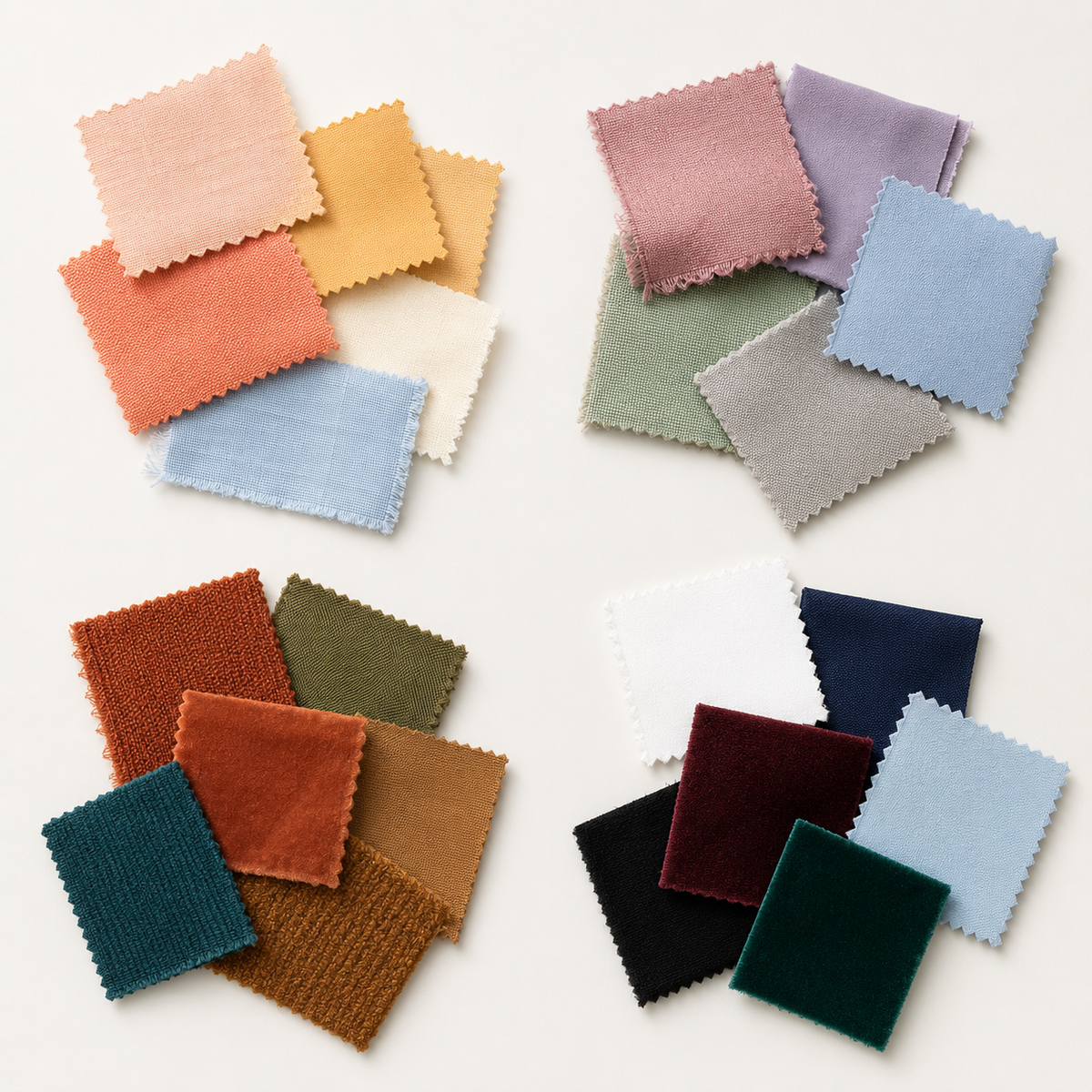
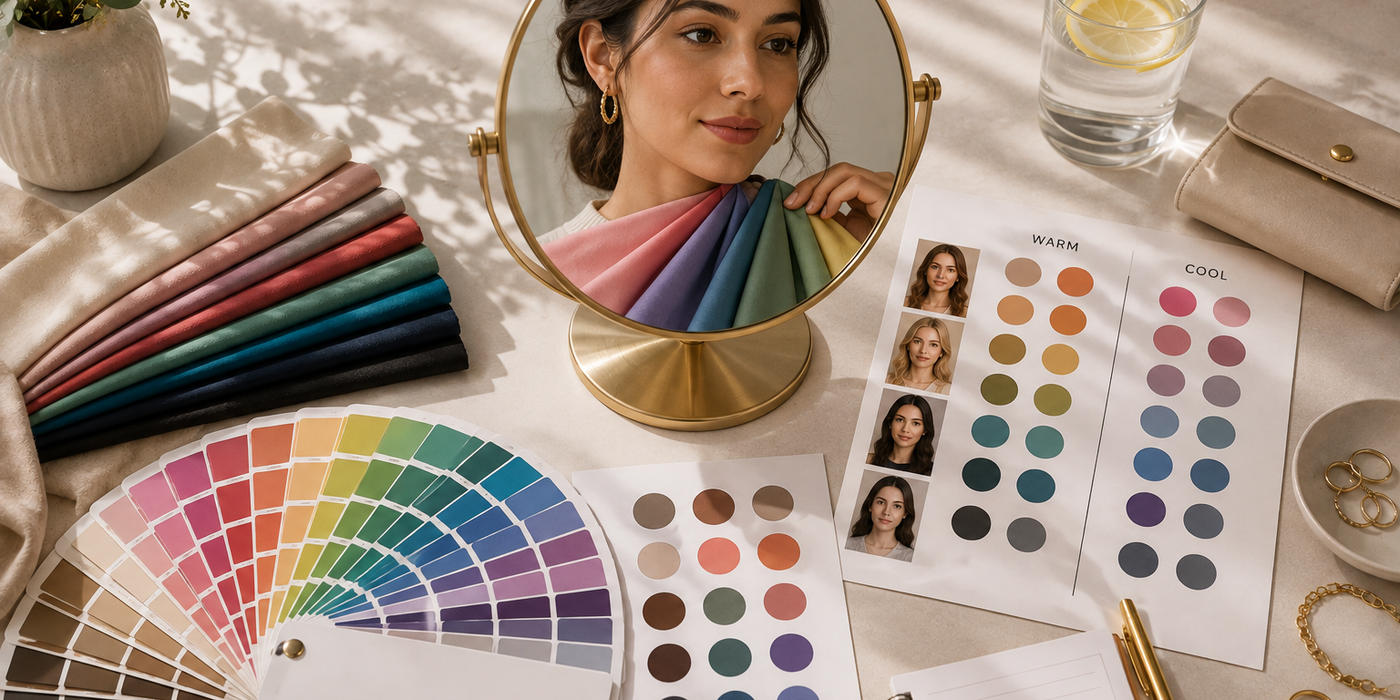
Color analysis is a method for identifying which color families—warm or cool, muted or vivid, light or deep—enhance your natural appearance by harmonizing with your skin, hair, and eyes. When the colors you wear align with your natural coloring, they reflect light back onto your face in a way that minimizes shadows, evens out skin tone, and makes your features look more defined. When they clash, the opposite happens: you look washed out, tired, or unwell, and the clothing draws attention rather than you.
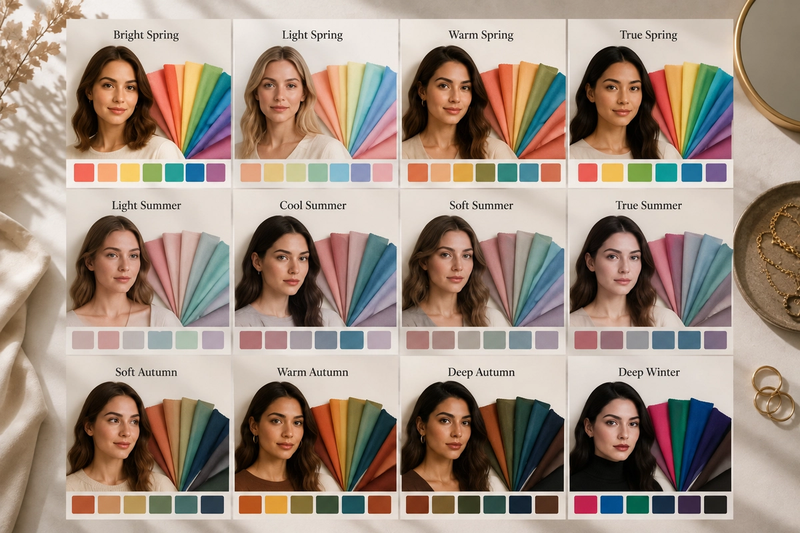
The classic framework divides people into four seasonal types: Spring, Summer, Autumn, and Winter. Each season maps to a combination of three variables—undertone (warm or cool), value (light to deep), and chroma (muted or vivid). A Spring type, for example, has warm undertones, relatively light coloring, and clear, bright contrast—meaning soft peaches, warm corals, and golden yellows will suit them far better than icy blues or muddy olives. A Winter type, by contrast, tends toward cool undertones and high contrast between skin and hair, making pure white, navy, and jewel tones their natural territory.
The four-season model is a useful entry point, but modern platforms have moved well beyond it. According to ColorPosh, the industry is shifting toward 12-tone and more individualized systems that account for the full spectrum of human coloring with greater nuance—distinguishing, for instance, between a Soft Autumn and a True Autumn, whose palettes overlap but diverge in important ways.
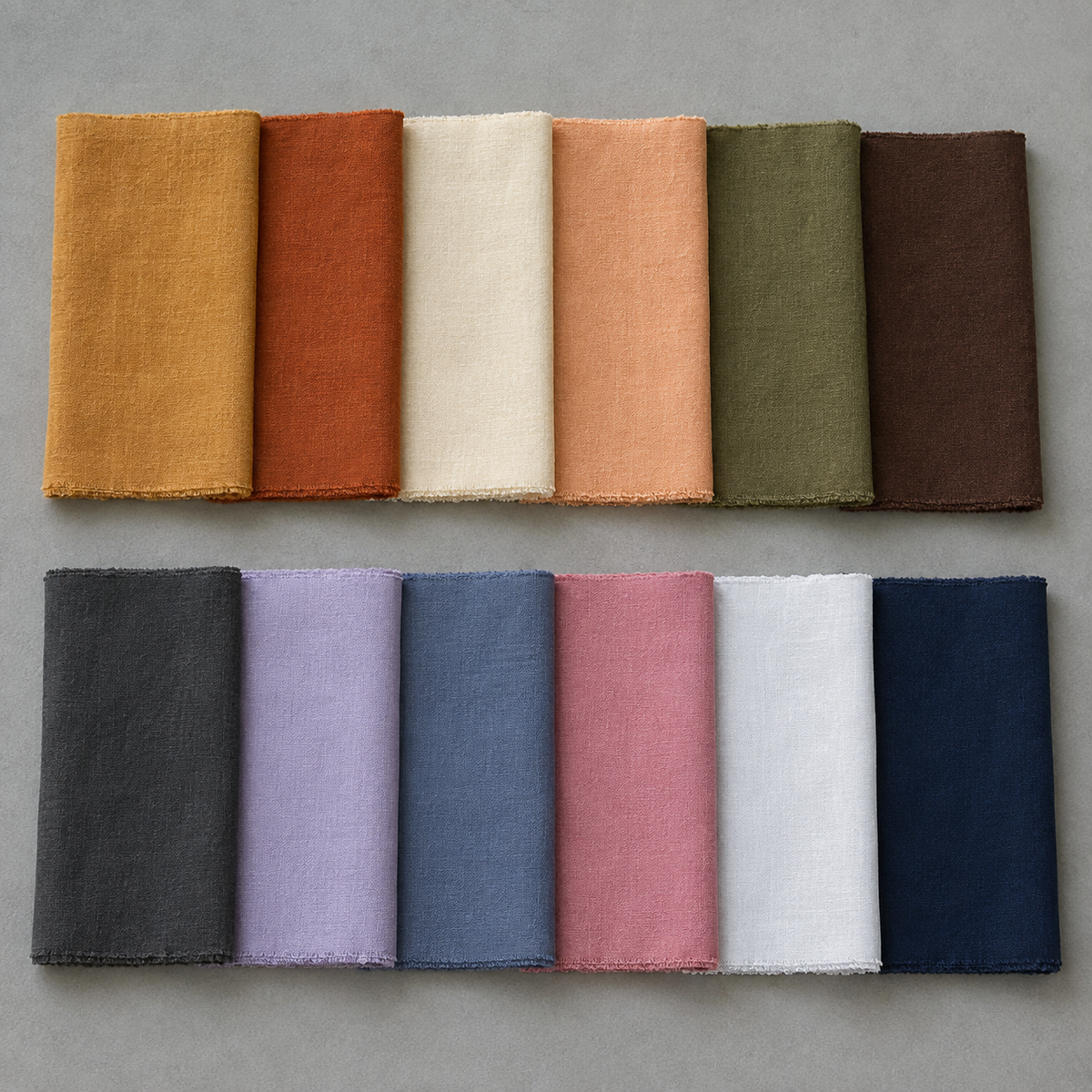
One misconception worth clearing up: color analysis has nothing to do with which colors you like, which shades are trending, or what looks appealing on a rack. A color can be beautiful in the abstract and actively unflattering on a specific person. The analysis is entirely about what makes you—your face, your features, your natural coloring—look its best. That distinction is what makes it a practical wardrobe tool rather than a matter of personal taste.
How to Get a Color Analysis: In-Person, Online, and Everything In Between
Knowing what color analysis is and actually getting one are two different problems—and the right format depends entirely on your budget, location, and how much precision you need. The options now span four distinct tiers, and the market has expanded fast enough that geographic isolation is no longer a barrier.
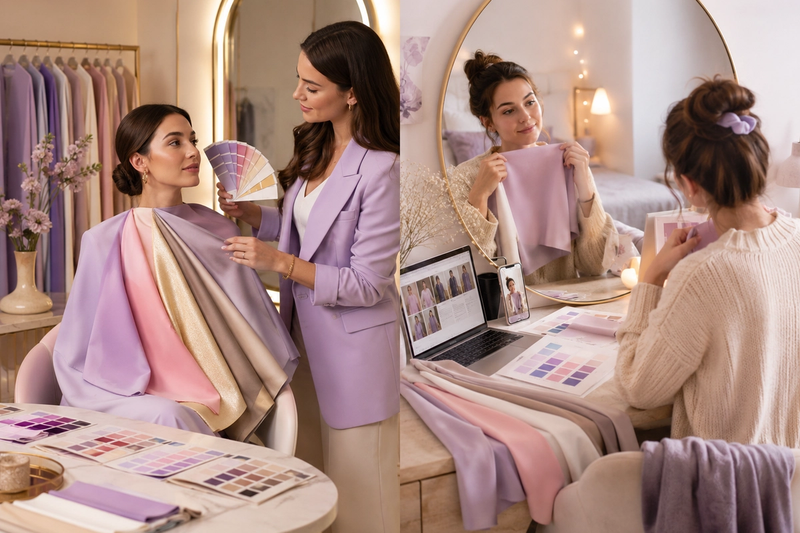
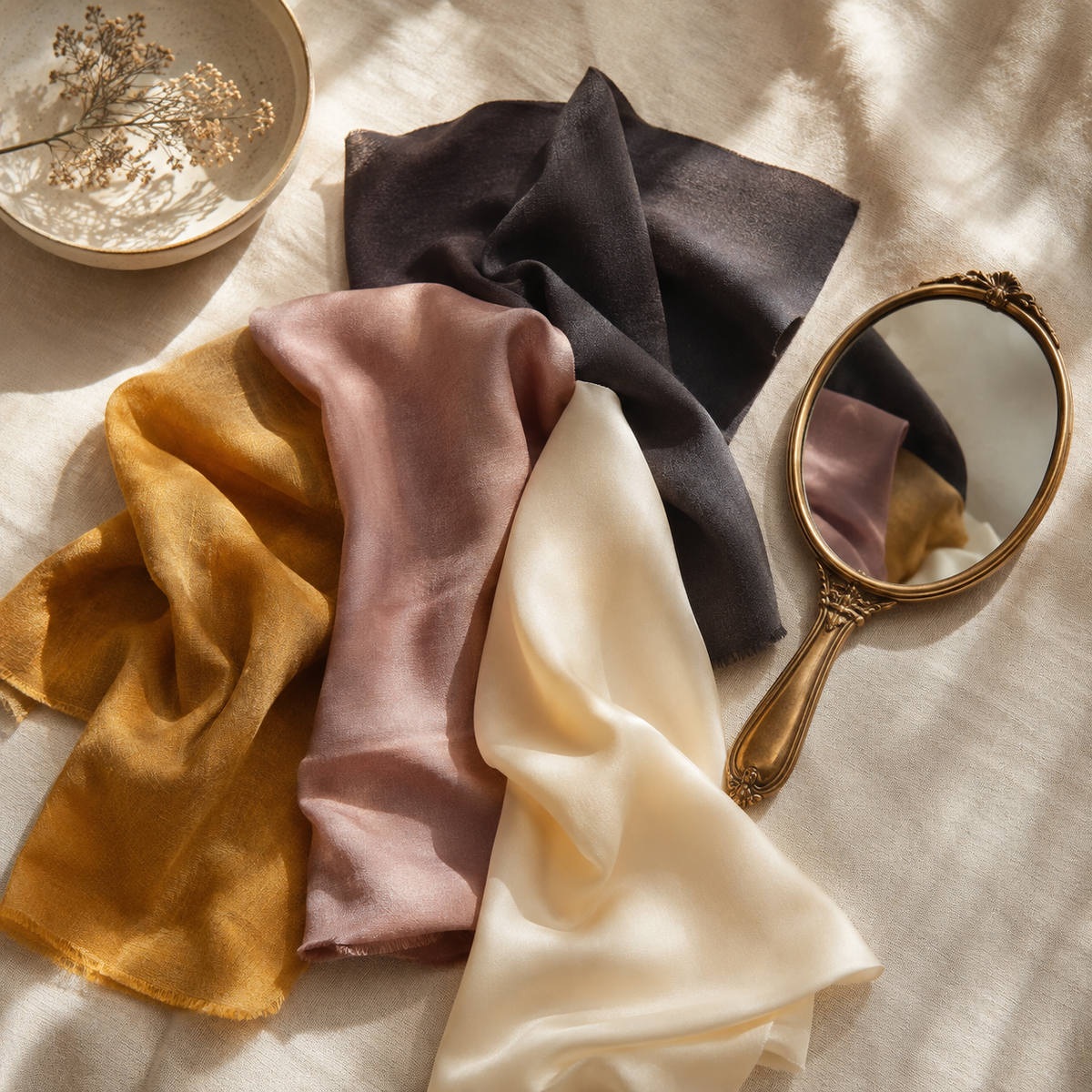
In-person studio sessions remain the gold standard. A trained analyst drapes fabric swatches in warm, cool, and neutral tones across your shoulders under natural light, reading how each shade affects your skin's clarity and vitality in real time. One directory lists 4,031 studios worldwide; another catalogs 843 locations, according to Palette Hunt and Color Mine AI—a distribution that would have been unthinkable a decade ago. For those willing to travel, Seoul has emerged as a global hub: Cocory Color alone operates multiple branches across Myeongdong, Gangnam, Hongdae, and Yeonhui, with English-language guidance available through Visit Korea specifically for international visitors. Pricing varies significantly by market—major metros offer more analysts but charge more for them, while smaller cities have fewer choices and sometimes lower rates, according to the Color Palette Analysis directory.
Virtual consultations have become the hybrid model's growth engine. Many studios that once operated exclusively in-person now offer video sessions, and according to Color Mine AI and Palette Hunt directories, this shift has meaningfully increased access for people outside major urban centers. Virtual sessions are generally cheaper than in-person appointments while still involving a trained human analyst—making them a strong middle-ground option.
Ready to upgrade your wardrobe?
Get the Elara app for AI-powered styling and virtual try-ons.
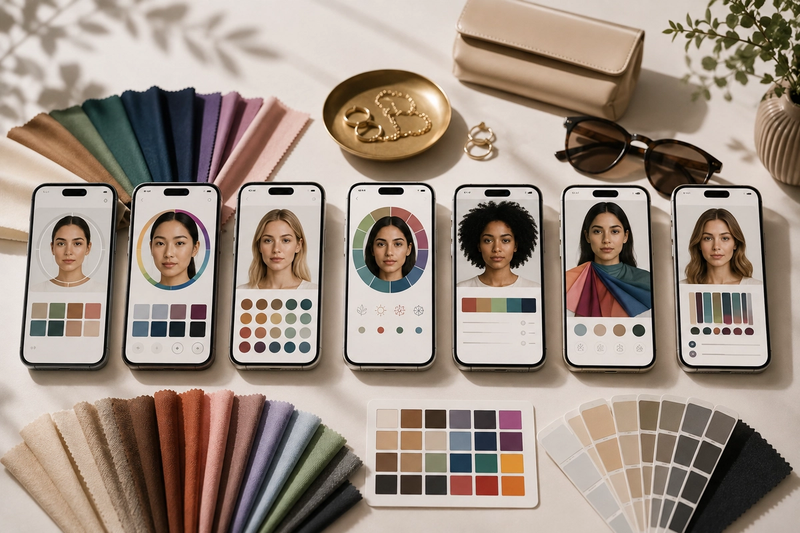
AI apps and photo-based tools have compressed the entire process into a smartphone workflow: upload a selfie in natural light against a neutral background with minimal makeup, and the algorithm returns your seasonal type and a full palette within seconds. Accuracy runs at roughly 80–85% with high-quality photos, according to Looqs.me's comparison data. That figure is credible context for the broader market signal: automated seasonal color typing adoption among top retailers grew 83% year-over-year in 2026, per an Energent AI industry report.
Free quizzes serve as the entry point for most people. Some tools—Palette Hunt among them—require zero registration and take under five minutes, with Google Trends data showing a sharp rise in searches for "color analysis quiz." For the hands-on DIY segment, physical color analysis kits (fabric swatch sets for home draping) offer a tactile middle ground between a free quiz and a paid consultation.
How to Use Your Color Analysis Results to Optimize Your Wardrobe
Most color analysis content stops the moment you learn your season. That's where the real work begins.
A palette result sitting in your phone's camera roll does nothing for your closet. The value is in application—and a four-step process makes that concrete enough to act on immediately.
Step 1: Audit your existing wardrobe with palette in hand. Pull everything out and hold each piece against your color reference. Items that fall within your palette are your "hero" pieces—the ones that already make you look more awake and alive. Items that sit outside it are candidates for donating, restyling, or relegating to days when you're not trying to make an impression. This audit typically surfaces a surprising pattern: most people already own a handful of colors that consistently work, surrounded by impulse purchases that never quite land.
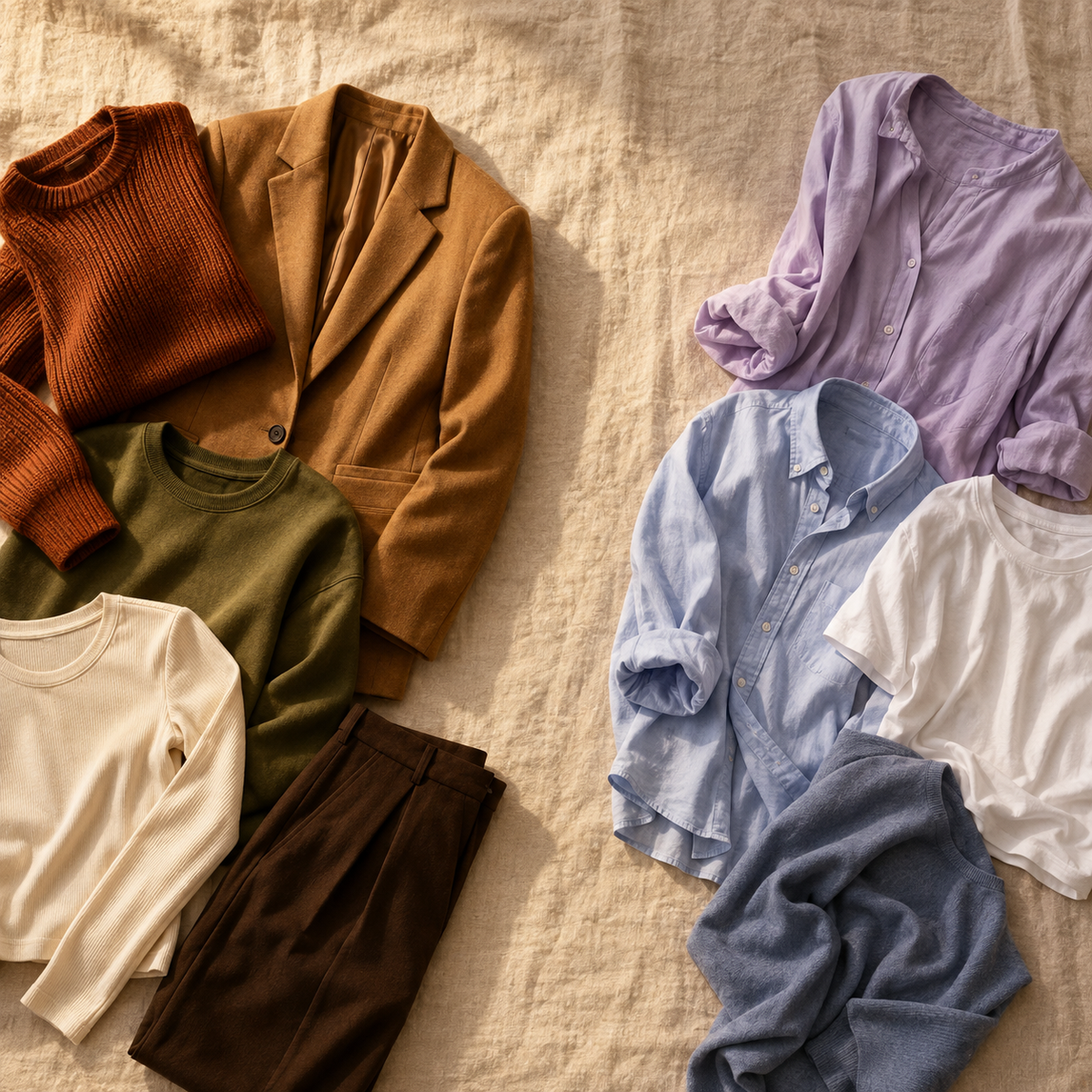
Step 2: Identify your palette gaps. Once you know which colors in your season you actually own, look at what's missing. An Autumn type who owns no warm camel, rust, or olive is sitting on a significant gap—those three shades alone would unlock dozens of new outfit combinations from pieces already in the closet. Gaps in your palette aren't a shopping problem; they're a targeting problem. Fill them deliberately rather than at random.
Step 3: Use your palette as a purchase filter before every new buy. This is where color analysis pays off financially. Before committing to anything new, check it against your palette. If it doesn't fit, it won't integrate with what you already own—no matter how good it looks on the rack or how well it photographs. Impulse purchases that ignore palette are the primary driver of the "full closet, nothing to wear" problem the introduction described.
Step 4: Get your neutrals right first. Neutrals—trousers, coats, knitwear, bags—are the most-worn items in any wardrobe, which means they generate the highest outfit ROI when they're correct. A Cool Summer type whose neutral wardrobe is built around warm beige and camel will find those pieces resist integrating with the rest of their palette. Swap to soft rose-brown, greige, or navy and suddenly everything connects.
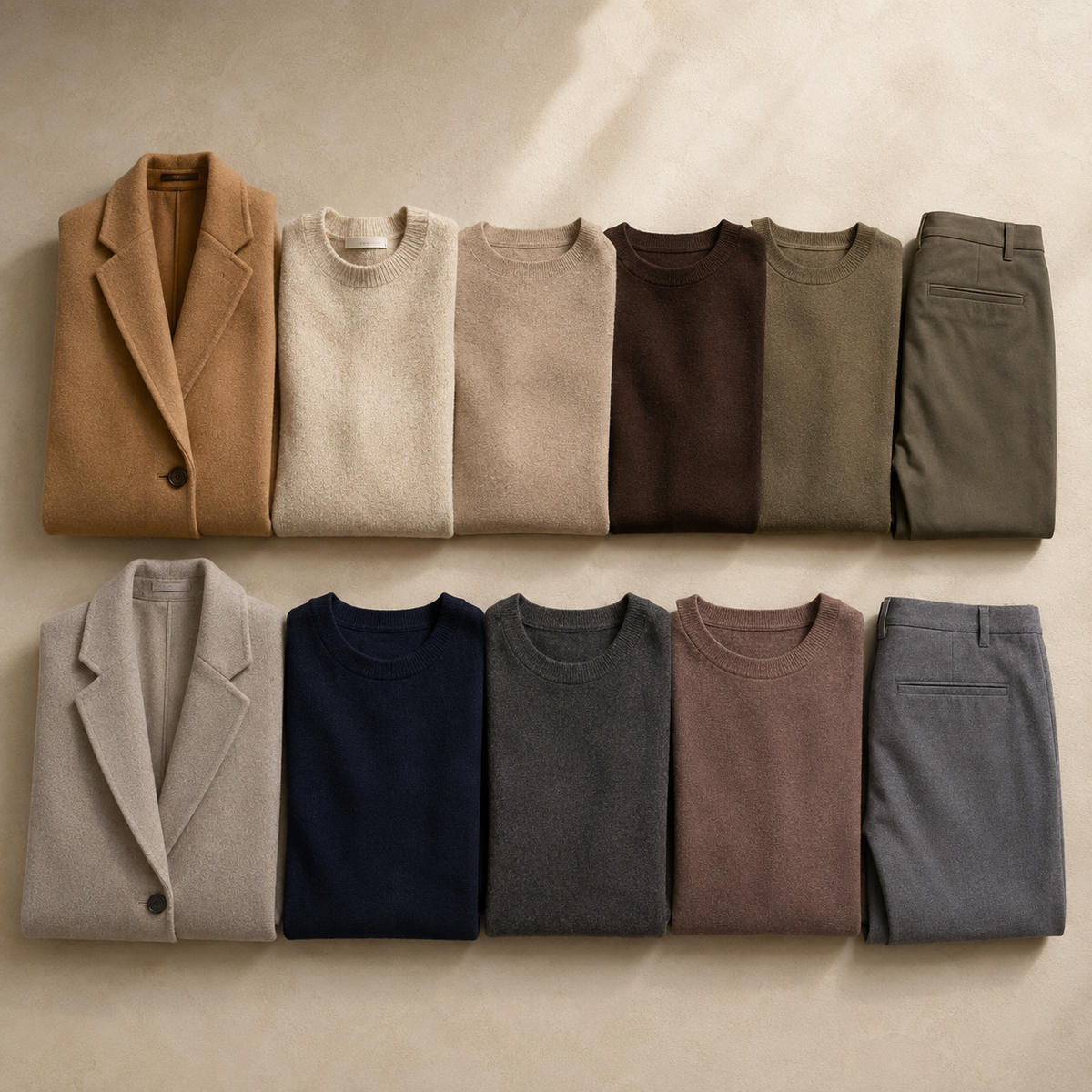
Color analysis is increasingly being bundled with wardrobe planning, outfit suggestions, and beauty product guidance in style apps, according to ColorPosh—a sign that the industry itself recognizes the analysis is only valuable when it's applied.
The integrated approach isn't a luxury add-on. It's the point.
Color Analysis and 2026 Trends: What's In and How to Filter It Through Your Palette
Trend reports don't come with a caveat that most people need: these colors will not suit everyone equally. Your color analysis is that caveat, made specific to you.
The 2026 color landscape is genuinely varied. Pinterest's 2026 palette report—drawn from 24 months of search and save data—highlights five trending colors: Persimmon, Cool Blue, Jade, Plum Noir, and Wasabi. Pantone's 2026 direction centers on Cloud Dancer, a soft off-white associated with calm and clarity. At the runway level, WGSN reports that dark tones represented 33% of the color mix in S/S 25/26 collections, up 4.8 percentage points from A/W 24/25—a meaningful structural shift toward depth and saturation.
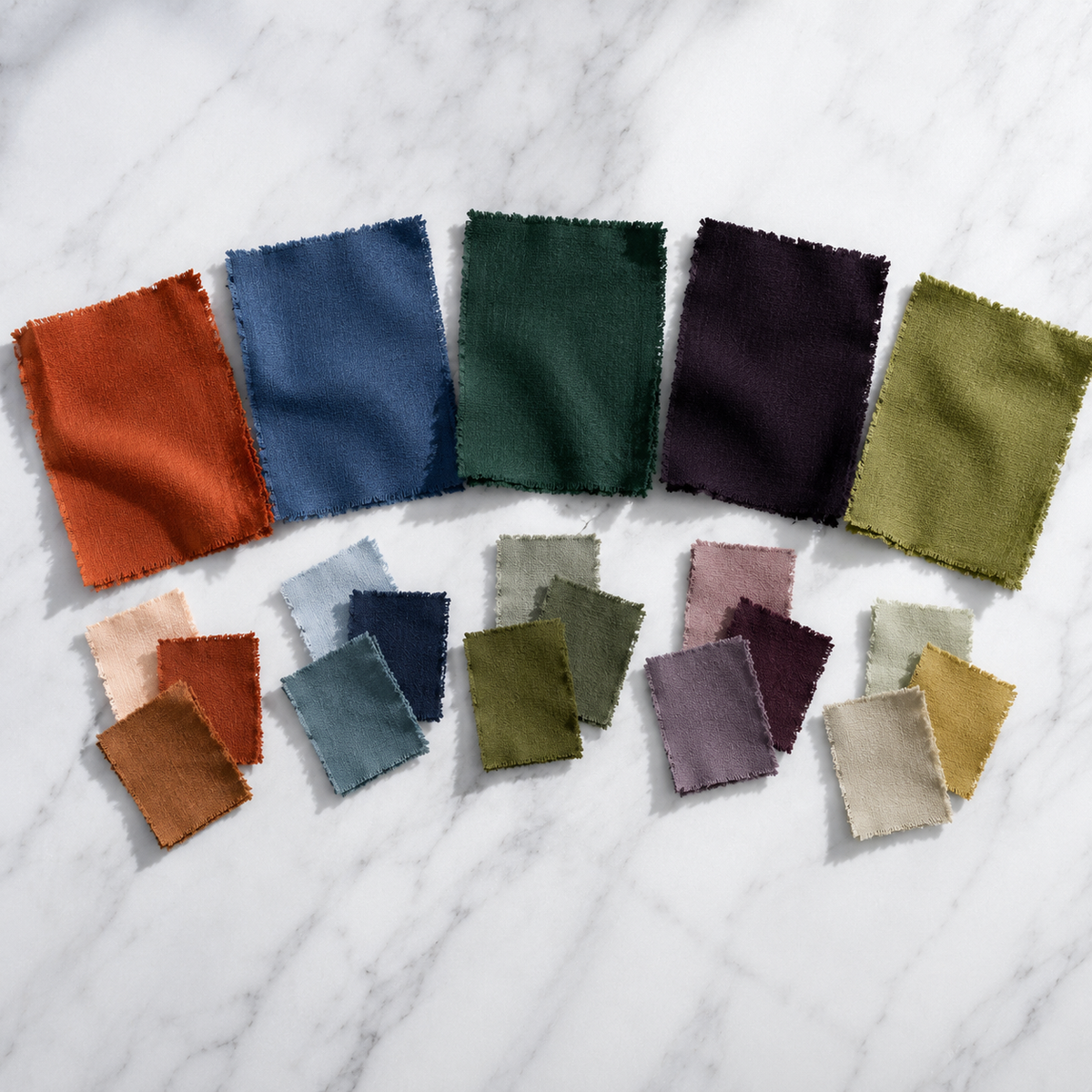
The core principle is this: trends are directional, not universal. They tell you which color families are culturally resonant right now, not which ones belong on your body. Your palette tells you that.
The mapping is straightforward once you have your season:
- Cool/Winter types are well-positioned for Cool Blue and Plum Noir from Pinterest's 2026 selections—both high-contrast, blue-toned shades that align with Winter's need for clarity and depth.
- Warm/Autumn types will find Persimmon and Wasabi far more wearable than the cooler options—both carry the muted, earthy warmth that defines the Autumn palette.
- Light/Spring types can anchor their 2026 wardrobe in Pantone's Cloud Dancer, which functions as a clean, warm-adjacent neutral that won't overwhelm lighter coloring.
- Deep Winter and Deep Autumn types are direct beneficiaries of the dark-tone surge WGSN has tracked—33% of collections leaning dark means more options that genuinely suit high-depth palettes.
The strategic payoff is spending discipline. When you know your palette, you can walk into a store in 2026, see the full spread of trending colors, and immediately identify the two or three that are actually your version of the trend—rather than buying across the board and wearing none of it well.
Conclusion: Your Colors Are Already in Your Closet
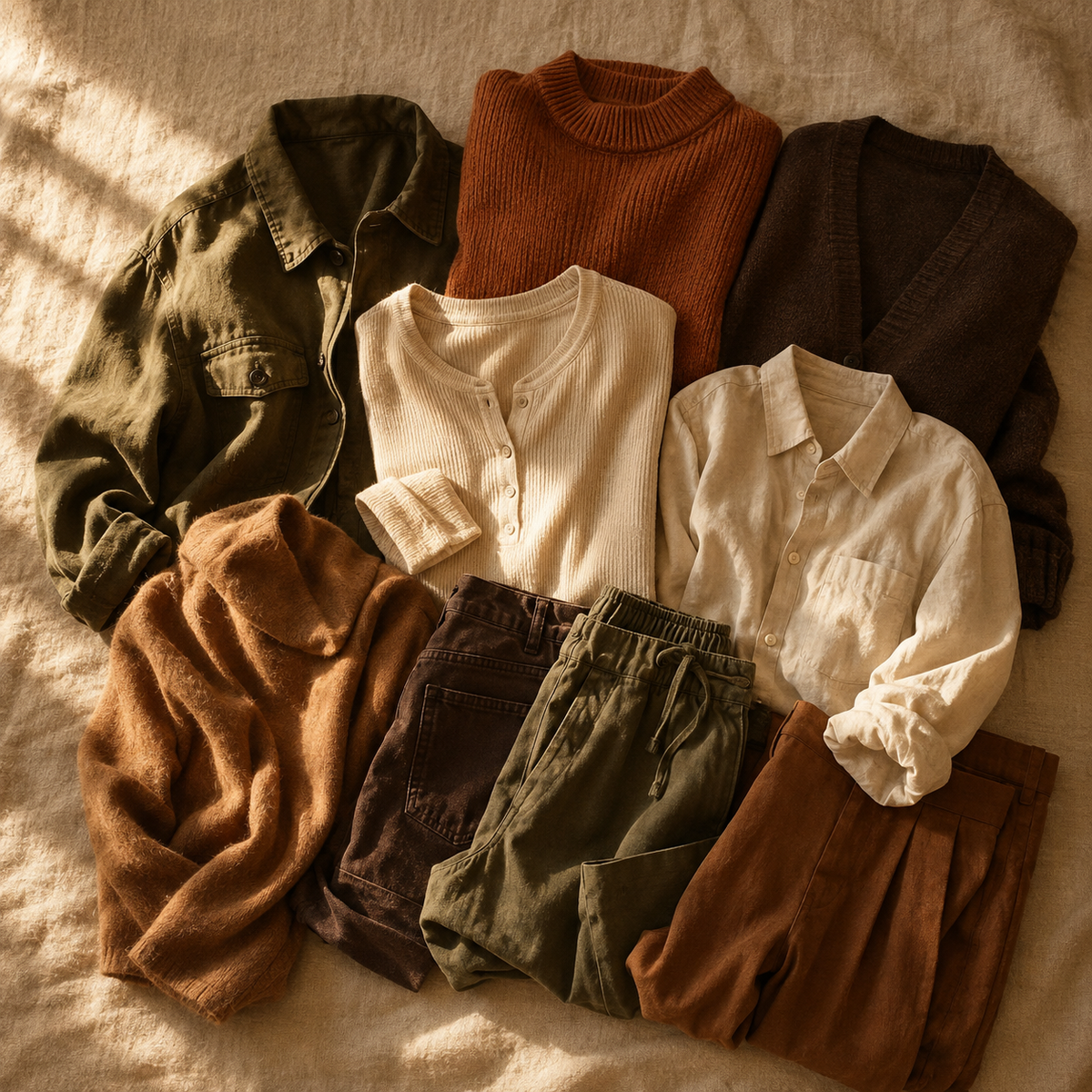
That spending discipline—knowing exactly which two or three trending shades are yours—is what color analysis actually delivers. Not a label, not a season name to memorize, but a filter you carry into every store and every closet edit.
The tool you use to find that filter doesn't need to be expensive or elaborate. Free quizzes give you a directional starting point. AI apps deliver ~80–85% accuracy in minutes. Virtual consultations offer analyst expertise at a lower cost than studio sessions. In-person draping, available across 4,000+ locations worldwide, remains the gold standard when precision matters most. Every budget has an entry point.
The analysis itself, though, is only half the work. Knowing you're a Deep Autumn means little if you're still reaching for the wrong neutrals every morning. The real value lives in applying your palette to what you already own—identifying the hero pieces, retiring the ones working against you, and shopping with genuine intention from that point forward.
That's exactly where Elara comes in. Rather than leaving you to do that audit manually, Elara applies your color palette across your existing wardrobe so every outfit decision already knows your colors. See how Elara can help you start with what you already own.

Your AI Stylist is Here.
live on the App Store & Google Play
Available on iOS and Android for seamless access anytime, anywhere.