Color Analysis App: 80–95% Accuracy + Daily Styling
Color analysis apps now deliver 80–95% accuracy with AI photo detection. Compare free and paid options, learn what actually works, and discover how to translate your palette into daily outfits.

Color Analysis Apps Compared: 7 Tools Tested (2026)
Table of Contents
- Introduction: Why Your Color Season Is Only Half the Answer
- How We Tested: Our 7-App Evaluation Framework
- The 7 Apps Reviewed: Features, Accuracy & Free Tiers
- The Gap Nobody Talks About: From Your Color Season to Your Actual Wardrobe
- Free vs. Paid: What You Actually Get at Each Price Point
- Color Analysis Near Me vs. App: Which Is Worth It in 2026?
- Frequently Asked Questions
- Conclusion: The Right Color Analysis Tool Depends on What You Do With the Result
Key Takeaways
- Leading color analysis apps in 2026 report 80–95% accuracy under good lighting conditions.
- BeautySpark, Dressika, and Colorwise.me are strong free options — but free tiers deliver basic results, not professional-grade analysis.
- AI photo analysis and 12-season typing are now standard; quiz-only apps are falling behind.
- Most apps tell you your season but leave a gap: no daily outfit system or wardrobe integration.
- In-person analysis costs $200–$500+; apps close that gap for free to ~$50.
Introduction: Why Your Color Season Is Only Half the Answer
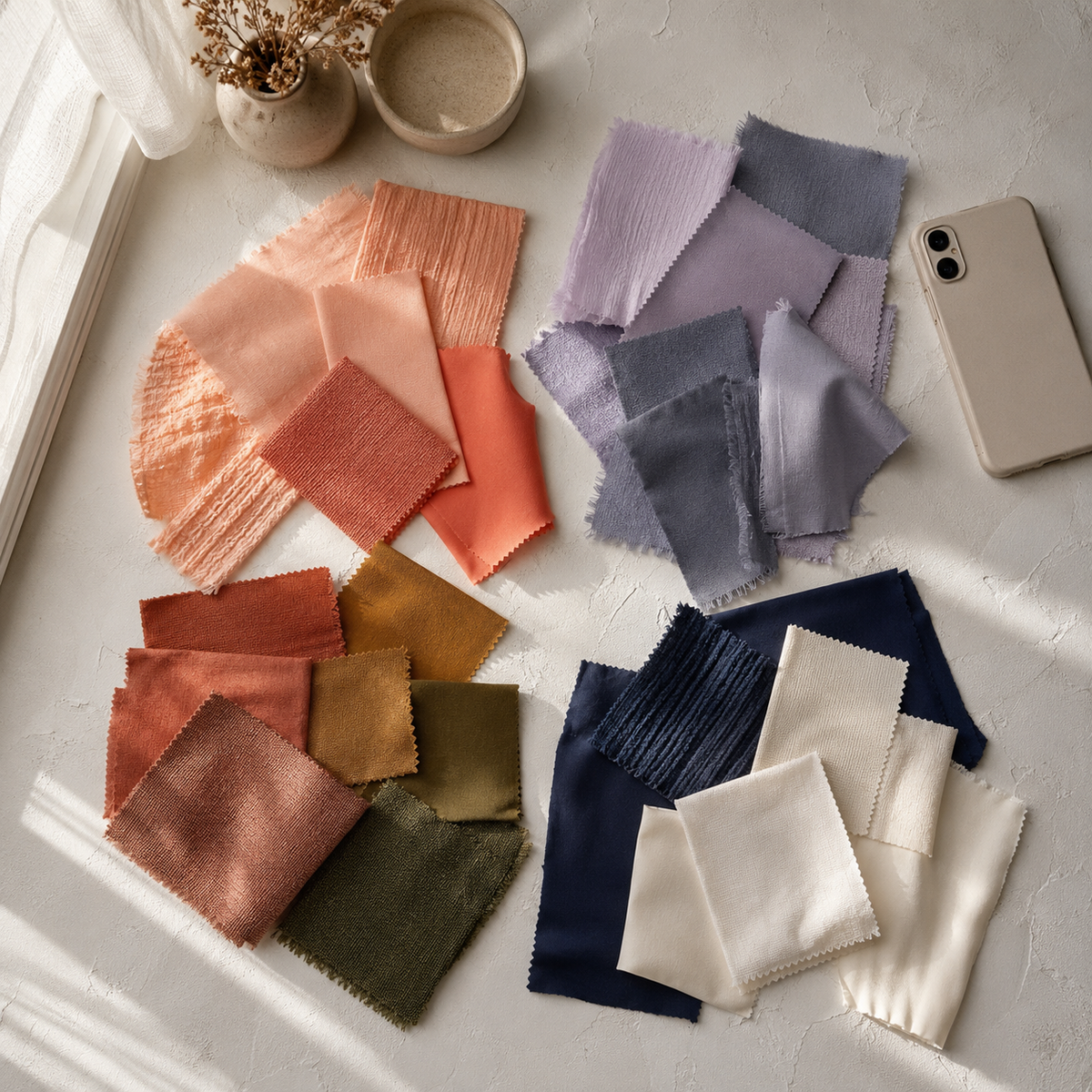
Automated seasonal color typing has moved from niche hobby to mainstream retail infrastructure — according to Energent AI's 2026 industry report, adoption among top retailers grew 83% year over year. Millions of people now know they're a "Soft Autumn" or a "True Summer." Far fewer know what to wear on a Tuesday morning.
That's the real problem this guide addresses. The color analysis app category has exploded in 2026, with dozens of tools competing for attention, which makes choosing the right one genuinely difficult. This article tests 7 apps across accuracy, feature depth, free-tier value, and the criterion most reviews ignore: whether the app actually helps you get dressed. Knowing your palette is table stakes. The differentiator is whether an app can translate that palette into real wardrobe decisions.
For most people, apps are also the only practical entry point. In-person color draping sessions run $200–$500+ according to pricing data aggregated by Manus — a significant investment before you know whether the methodology will even work for you. By the end of this guide, you'll know which app fits your needs, what to look for beyond seasonal typing, and where the category is genuinely headed in 2026.
How We Tested: Our 7-App Evaluation Framework
Each of the 7 apps was evaluated across five criteria: accuracy, feature depth, free-tier value, UI and privacy practices, and wardrobe-to-outfit utility. Free tiers were tested first; paid upgrades were assessed for incremental value rather than assumed to be worth the cost.
For accuracy benchmarking, we used the industry standard established by aggregated 2026 reviews from toneandfit.app, looqs.me, and colorposh.com: leading apps score in the 80–95% range when photos are high quality and lighting is favorable. Tone & Fit's own 2026 testing provides the top anchor — its app matched professional consultant results 95% of the time across 20 skin tones, with competing apps scoring approximately 90% and 85% respectively. Testing here used consistent, well-lit selfies across a comparable range of skin tones to mirror that standard.
Wardrobe utility was added as a fifth criterion because it captures the gap that accuracy scores miss entirely. Energent AI's 2026 data shows 83% of top retailers have adopted AI color typing at the enterprise level — yet consumer-facing apps rarely connect a seasonal result to a daily outfit decision. That disconnect is where most tools fall short, and it's where the evaluation proved most revealing.
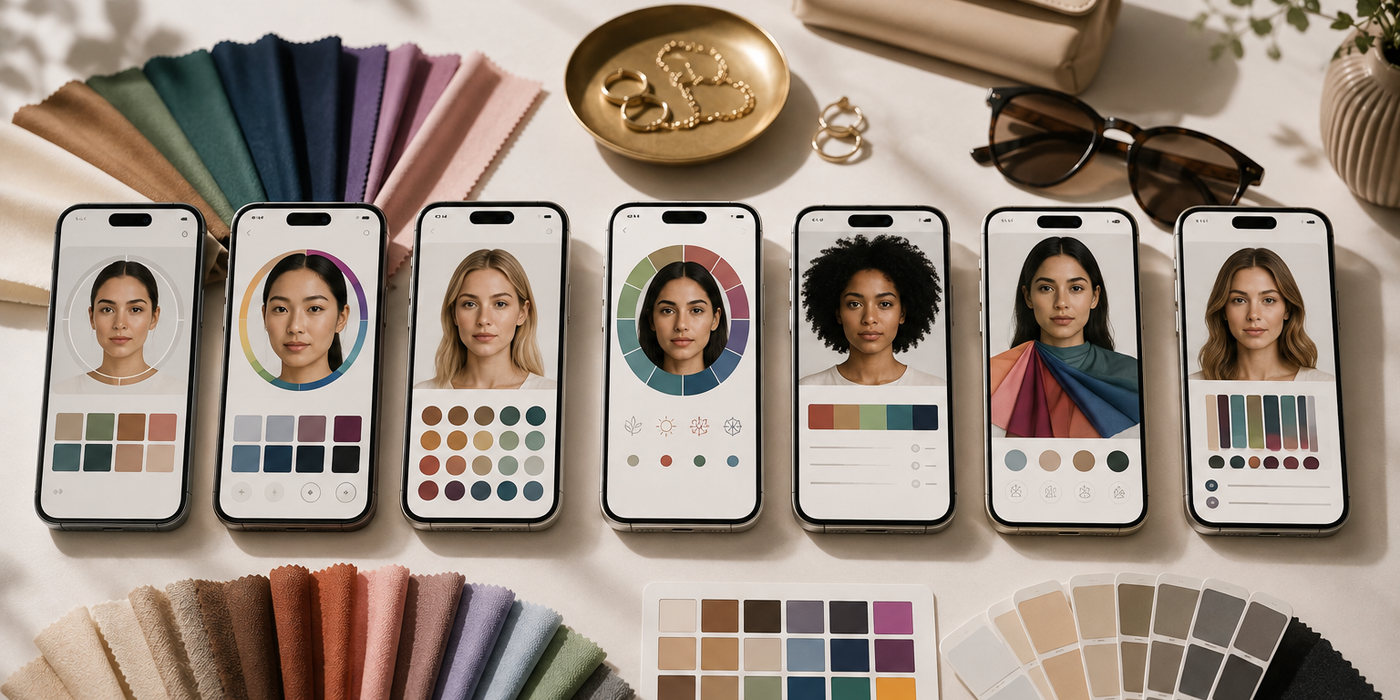
The 7 apps tested represent the full spectrum of the current market: BeautySpark (makeup-oriented AI photo analysis), Dressika (virtual wardrobe, Android-first), Colorwise.me / My Best Colors (manual virtual draping), plus four additional tools representing Korean-style subtyping, quiz-based analysis, free-tier specialization, and integrated AI styling ecosystems. Each category reflects a distinct philosophy about what a color analysis app is actually for.
The 7 Apps Reviewed: Features, Accuracy & Free Tiers
These seven categories — makeup-focused, virtual wardrobe, manual draping, Korean-style subtyping, quiz-based, free-tier specialist, and integrated ecosystem — aren't just marketing segments. Each reflects a fundamentally different answer to the question of what color analysis is actually for.
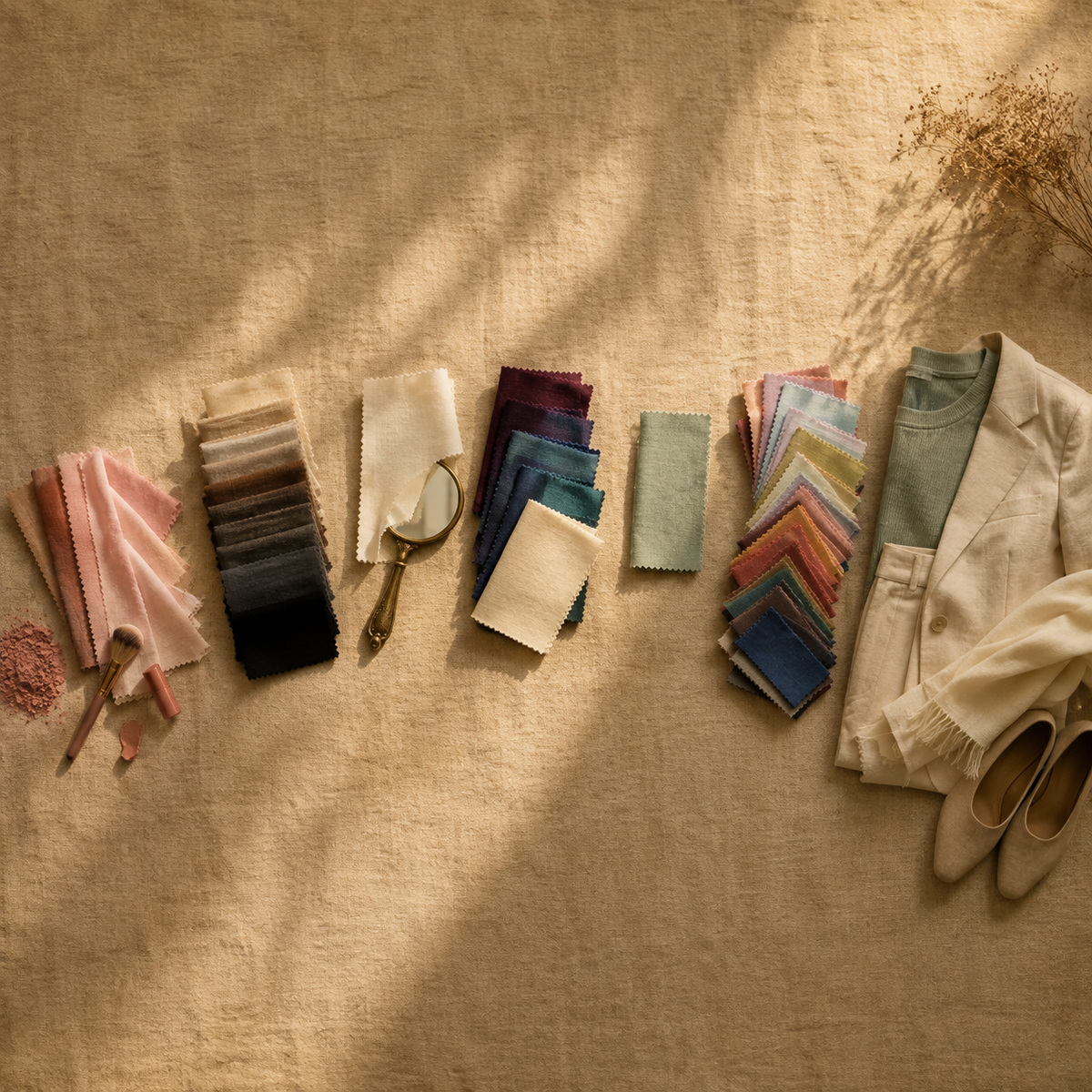
BeautySpark leans hardest into makeup application, translating your seasonal result into specific foundation undertones, blush families, and lip color recommendations. Its free tier is among the most generous tested, offering AI photo-based detection and basic 12-season support without a paywall. For users whose primary goal is cosmetics rather than clothing, it's the clearest choice. On privacy, BeautySpark processes photo data in the cloud — standard for this category, but worth noting if that's a concern.
Dressika takes the opposite approach: its core value is virtual wardrobe building rather than analysis depth. According to its Google Play listing, it holds a 4.2 rating from 41,000 reviews, making it the most broadly validated app in this test by volume. It's the strongest Android-native option and works well for users who already have a rough sense of their season and want help organizing what they own. Photo data is uploaded to cloud servers for processing.
Colorwise.me / My Best Colors occupies a distinct niche: manual virtual draping. Rather than letting an AI declare your season, it lets you hold digital color swatches up to your photo yourself. This appeals to users who've read enough about color theory to want hands-on control, and it mirrors how in-person consultants actually work. The accuracy ceiling is user-dependent — the tool is only as good as the judgment applied to it.
Ready to upgrade your wardrobe?
Get the Elara app for AI-powered styling and virtual try-ons.
The Korean color analysis app category deserves its own paragraph. Korean personal color culture has driven a more granular approach to subtyping — 12-season and even 16-season frameworks, with finer distinctions between, say, Light Spring and Bright Spring. These apps tend to have more aesthetically refined interfaces and stronger community features. According to 2026 review aggregators including toneandfit.app and looqs.me, the trend toward deeper personalization and more granular subtyping is one of the defining movements in the category this year.
Quiz-based apps remain popular but are increasingly seen as a baseline entry point. Without photo analysis, they rely entirely on self-reported answers about eye color, skin reaction to sun, and vein color — variables that users routinely misread. As colorposh.com notes in its 2026 review coverage, free quiz tools function as a starting point rather than a complete analysis. The accuracy ceiling is structurally lower than AI photo-based tools.
The free-tier specialist category has converged on a consistent package in 2026: AI selfie-based season detection, 4- or 12-season result, and some form of virtual draping or color swatch comparison, according to BeautySpark's 2026 blog overview. If your only goal is getting a seasonal read without spending anything, these tools deliver.
The integrated ecosystem app — represented here by tools in the Elara category — is where the market is heading. Rather than stopping at "you're a Soft Autumn," these platforms connect your palette to your actual closet, generate daily outfit suggestions filtered by your season, and flag shopping gaps. Energent AI's 2026 industry analysis describes this shift directly: the market has moved "from a niche consumer novelty into a critical enterprise analytics vector." On-device processing, where available, is a meaningful privacy advantage in this category.
The Gap Nobody Talks About: From Your Color Season to Your Actual Wardrobe
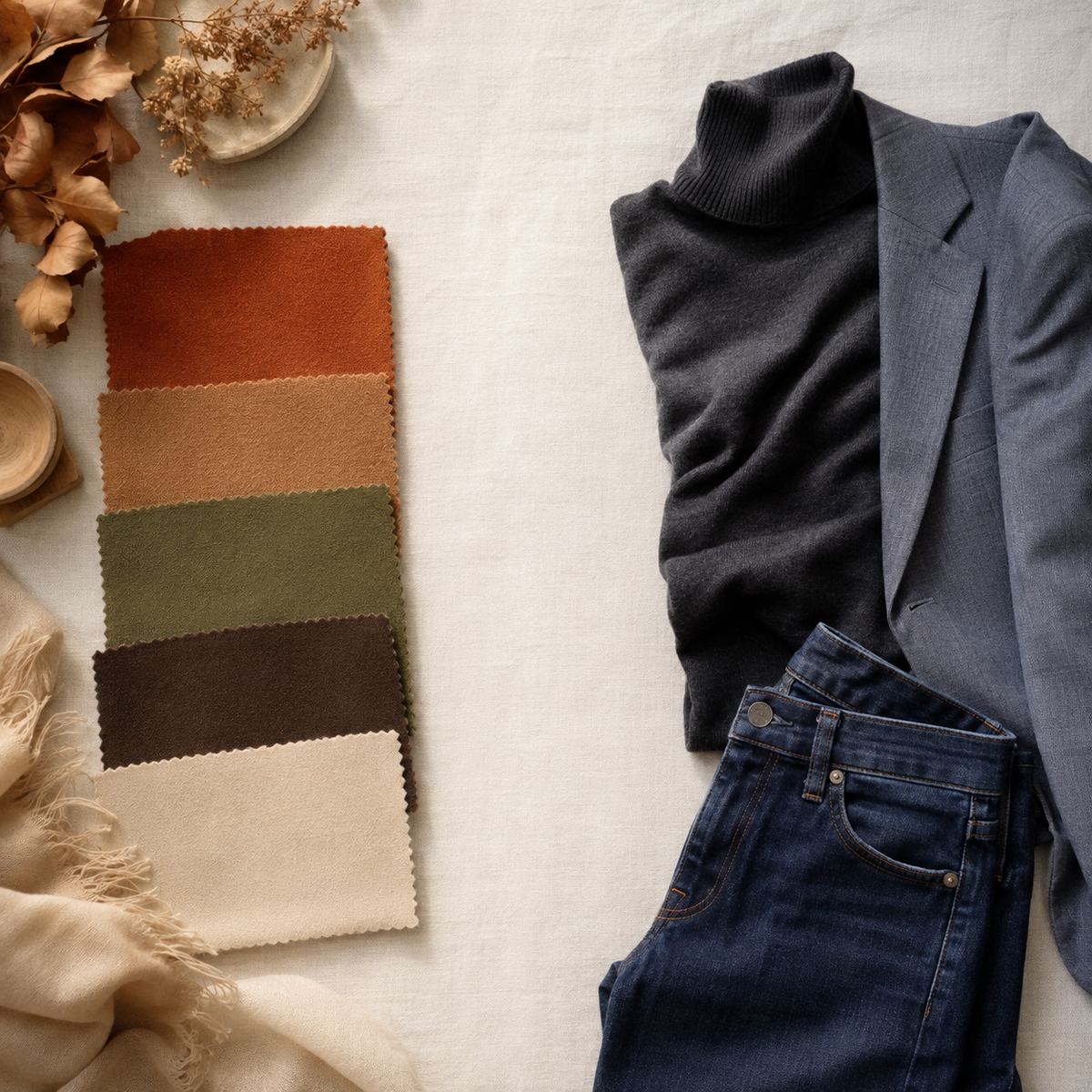
Knowing you're a Soft Autumn is genuinely useful — for about ten minutes. After that, most people close the app, look at their closet, and feel exactly as stuck as before. The problem isn't the analysis. It's the absence of any bridge between the result and the actual act of getting dressed.
The workflow gap has three steps: (1) get your season → (2) ??? → (3) confident outfit. Step two is where almost every standalone color analysis app goes silent. You get a palette card, maybe a list of hex codes, and then you're on your own to figure out which of your existing clothes qualify, what's missing, and how to put pieces together in a way that actually works.
This translation layer is where integrated AI styling tools create measurable value. According to Energent AI's 2026 industry data, practitioners using advanced AI data agents in wardrobe and palette workflows save approximately 3 hours per day — a figure that reflects just how much cognitive overhead the "palette to outfit" problem generates when done manually. A complete workflow looks like this: palette result → closet mapping against your season → daily outfit curation from what you own → smart shopping recommendations for genuine gaps. Each step builds on the last, and none of them work in isolation.
The retail sector has already absorbed this lesson. Automated seasonal color typing adoption rose 83% year over year among top retailers in 2026, according to Energent AI — because enterprise personalization teams understand that color data is only valuable when it connects to purchasing and styling behavior. Consumer apps are catching up, but most haven't made the leap yet. The apps that will define this category in 2027 are the ones that treat color analysis not as a destination, but as the foundation layer of a daily styling system.
Free vs. Paid: What You Actually Get at Each Price Point
The price ladder in color analysis is steep at both ends. In-person draping with a trained consultant runs $200–$500 or more; paid app tiers typically land between $10 and $50; and most AI photo apps now offer free daily credits as a baseline, according to Manus's 2026 pricing overview. That spread gives most people a clear entry point — but the features at each tier differ significantly.
Free tiers in 2026 have standardized around three deliverables: AI selfie-based season detection, a basic 4-season result, and limited palette swatches. BeautySpark, Dressika, and Colorwise.me all fit this pattern, offering genuine utility without payment. The catch, as colorposh.com's 2026 reviews note, is that free analysis functions as a starting point rather than a professional-grade result.
Paid tiers unlock the features that make color analysis practically useful: 12-season subtyping, makeup and hair color recommendations, virtual draping tools, wardrobe integration, and shopping filters calibrated to your palette. These aren't cosmetic upgrades — 12-season typing meaningfully changes the specificity of recommendations for users who sit on the boundary between seasons.
On accuracy, the skepticism is partially valid. Free apps are routinely debated in community forums for inconsistent results, and that concern isn't baseless. But the primary variable is photo quality, not the app itself. According to 2026 testing aggregated by toneandfit.app and looqs.me, color analysis apps reach 80–95% accuracy under good lighting conditions — and Tone & Fit's own 2026 benchmark found its app matched professional consultants 95% of the time. Poor lighting, heavy filters, or low-resolution selfies push any app toward the low end of that range regardless of the underlying model.
The decision framework is straightforward: use a free tier for a quick seasonal read; invest in a paid tier or integrated platform if you want color analysis to actually change how you get dressed. The freemium model dominates in 2026 precisely because free analysis works well enough as an acquisition hook — the real product is everything that comes after.
Color Analysis Near Me vs. App: Which Is Worth It in 2026?
That decision framework — free tier for a quick seasonal read, paid tier for daily wardrobe utility — applies equally when you're weighing an app against booking a local consultant.
The price gap is stark. Offline color draping with a professional stylist runs $200–$500+, while apps range from free to around $50 for premium tiers, according to Manus pricing data. For most people, that cost difference alone settles the question. But accuracy is the more interesting argument: Tone & Fit's 2026 testing across 20 skin tones found its app matched professional consultant results 95% of the time, with competing apps landing at roughly 90% and 85%. The margin between a skilled human draper and a well-lit smartphone photo is narrower than most people expect.
In-person analysis still earns its premium in specific situations — ambiguous coloring that sits on the boundary between two seasons, physical fabric draping that no screen can replicate, or a high-stakes wardrobe investment where a misread costs real money. ColorAnalysisTech's rolling 12-month dataset of 48,217 respondents shows sustained consumer interest through May 2026, which signals that demand for both formats is growing rather than one displacing the other.
The practical model that's emerging: use an app for initial season detection and ongoing daily reference, then book an in-person session only if the result feels genuinely ambiguous or the financial stakes justify it.
Frequently Asked Questions
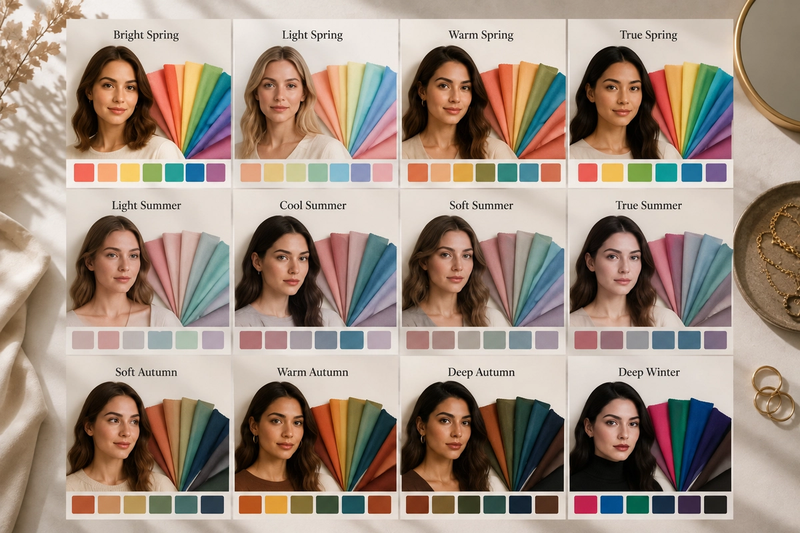
What's the difference between 4-season and 12-season color analysis? 4-season typing divides people into Spring, Summer, Autumn, or Winter based on whether their coloring is warm or cool and light or deep. 12-season typing adds a third dimension — whether you're clear or muted — which creates finer gradations like Soft Autumn or Bright Spring. If you sit on the boundary between two 4-season categories, 12-season typing often gives you more accurate recommendations.
Do I need to buy a paid tier, or is the free version enough? Free tiers work well for a quick seasonal read. If you want that result to actually affect your daily outfit choices or shopping decisions, a paid tier or integrated platform makes a meaningful difference. The gap between free and paid isn't about accuracy — it's about features like wardrobe integration, 12-season subtyping, and shopping filters that connect your palette to your closet.
How accurate are these apps compared to seeing a consultant in person? Tone & Fit's 2026 testing found its app matched professional consultant results 95% of the time across 20 skin tones. The key variable is photo quality — good lighting and a clear selfie are more important than which app you choose. If your coloring sits on the boundary between two seasons, an in-person session may give you more confidence, but for most people, a well-lit app result is as reliable as paying for a consultant.
Can I use a free app and then upgrade later if I want more features? Yes. Most apps with free tiers are designed exactly this way — you get a quick seasonal read for free, and if you want 12-season subtyping, wardrobe integration, or other features, you upgrade. This is a low-risk way to test whether color analysis methodology works for you before investing.
What if an app gives me a different season than another app? This usually points to one of three things: photo quality differences, lighting conditions, or the app's underlying color model. If two apps give you genuinely different results, try taking a new photo with brighter, more neutral lighting and re-test with both. If the results still disagree, your coloring likely sits on a boundary between seasons — in which case 12-season typing or an in-person session may be worth the investment.
Conclusion: The Right Color Analysis Tool Depends on What You Do With the Result
Accuracy is no longer the differentiator. Leading apps in 2026 all land in the 80–95% range under good lighting conditions, according to aggregated reviews from toneandfit.app, looqs.me, and colorposh.com — the gap between them is marginal. What separates a useful tool from a forgotten app is what happens after you learn your season.
For a quick best-fit summary: BeautySpark, Dressika, and Colorwise.me offer strong free starting points; Dressika, with its 4.2 rating from 41,000+ Google Play reviews, leads for Android users; Colorwise.me / My Best Colors is the pick for manual virtual draping; and apps with full 12-season subtyping serve users who want granular depth. For daily wardrobe use — the step most apps skip entirely — Elara is built differently. It's wardrobe-first, conversational, and AI-driven, designed to carry your color season into actual outfit decisions rather than leaving you with a palette and no system.
Knowing you're a Soft Autumn is the foundation. Getting dressed with confidence every day is the goal.
Start with your season. Then let your AI stylist do the rest. → joinelara.com
Your AI Stylist is Here.
live on the App Store & Google Play
Available on iOS and Android for seamless access anytime, anywhere.