
What to Wear for Kwanzaa: Colors, Kente and 4 Outfits for the Week
Kwanzaa 2026 runs Dec 26 to Jan 1. Wear black, red and green, plus kente or a dashiki for the Karamu. What the colors mean and 4 outfits for each gathering.
 Mehul AgarwalFounder & CEO
Last updated: November 2026
Quick answer: Kwanzaa 2026 runs from Saturday, December 26, 2026 to Friday, January 1, 2027, and the Karamu feast falls on December 31 (History.com; Smithsonian NMAAHC). The simplest way to dress for it is in its colors, black, red and green, which the official Kwanzaa website says stand for the people, their struggle and the future. For the Karamu or a community celebration, many people wear African cloth such as kente or a dashiki; for candle lighting at home, smart casual in the colors is enough.
Kwanzaa was created in 1966 by Dr. Maulana Karenga as a week-long celebration of African American and Pan-African culture, built around seven principles, the Nguzo Saba. There is no dress code, but what people wear tends to carry meaning: the colors of the bendera (flag), cloth with roots in West Africa, and outfits that move from a quiet evening at home to a crowded feast. This guide explains what those choices mean, how to wear them well, and what to wear for each kind of Kwanzaa gathering, including if you are a guest.
Kwanzaa 2026 dates: the seven days and their principles
Each day of Kwanzaa honors one principle, and one candle on the kinara is lit each evening. The Smithsonian's National Museum of African American History and Culture lists the principles in this order, with the Karamu on the sixth day, December 31:
- Saturday, December 26: Umoja (unity)
- Sunday, December 27: Kujichagulia (self-determination)
- Monday, December 28: Ujima (collective work and responsibility)
- Tuesday, December 29: Ujamaa (cooperative economics)
- Wednesday, December 30: Nia (purpose)
- Thursday, December 31: Kuumba (creativity), the night of the Karamu feast
- Friday, January 1: Imani (faith)
Plan your wardrobe around the evenings you will actually attend. For most families that means several low-key nights at home, one dressier night for the Karamu, and possibly a public event at a museum, library or cultural center in between.
What colors to wear for Kwanzaa
Wear black, red and green, ideally with black as the base. According to the official Kwanzaa website, black is for the people, red for their struggle and green for the future that comes from the struggle, and black is placed first because the people come first.
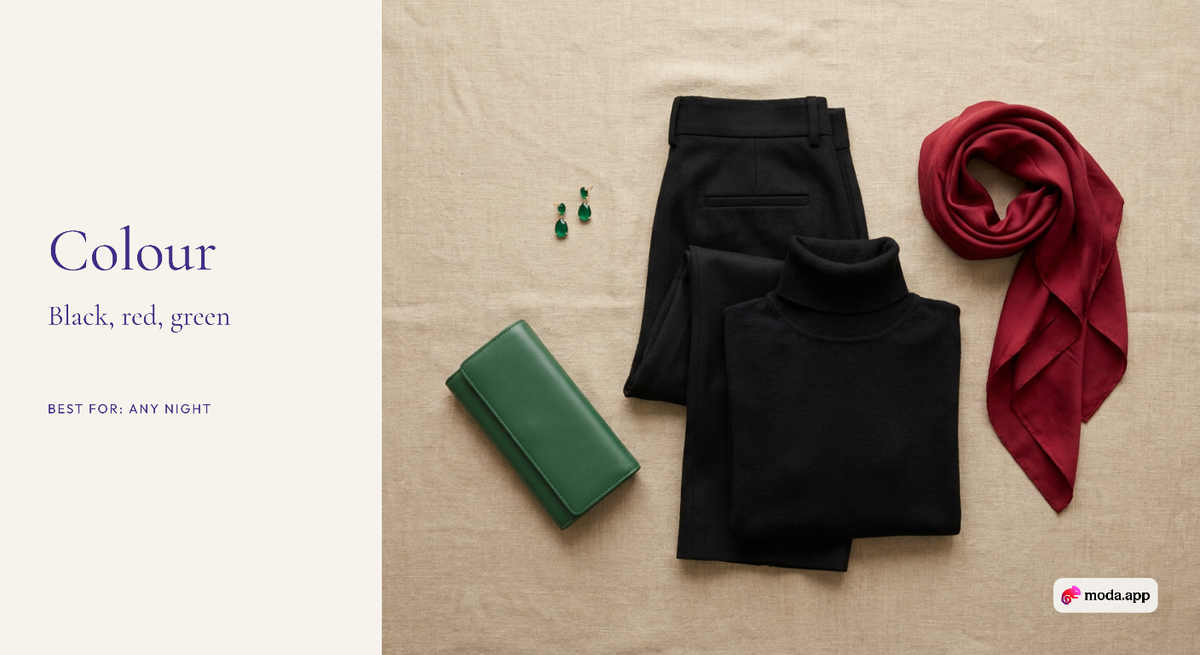
That order gives you an easy styling rule: build the outfit on black, then add one red piece and one green piece as accents. A black knit dress with a red wrap and green earrings, or black trousers and a black turtleneck with a red scarf, reads clearly as Kwanzaa without looking like a costume. Wearing all three colors in equal blocks can look busy, so let one color lead.
- Deeper shades photograph better. Crimson, oxblood, emerald and forest green look richer by candlelight than bright primary red and lime.
- Gold works as a fourth color. It is not one of the bendera colors, but it appears in a lot of kente and pairs naturally with all three.
- Accessories count. If your clothes are neutral, a red and green scarf, beaded jewelry or a head wrap in the colors does the job on its own.
Kente and the dashiki: what they are and how to wear them
Kente and the dashiki are two of the African garments people most often choose for Kwanzaa, and both have specific histories worth knowing before you put them on.
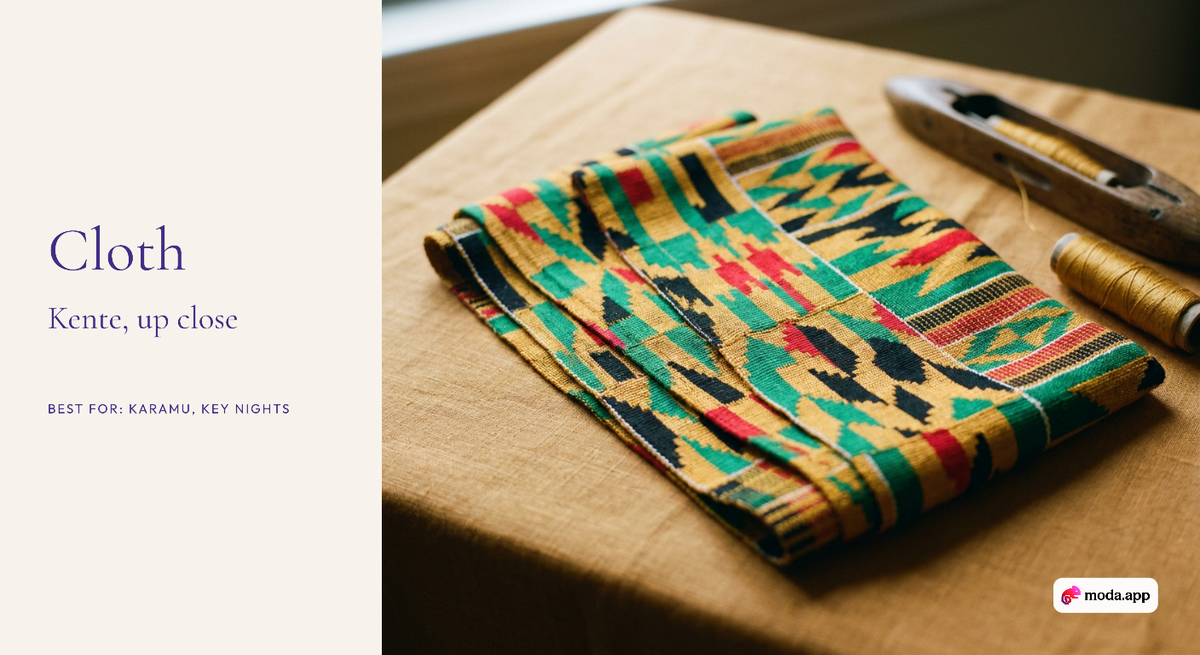
Kente is a Ghanaian strip-woven cloth. The Fashion History Timeline at the Fashion Institute of Technology explains that it is woven by the Asante (Ghana) and Ewe (Ghana and Togo) peoples on narrow-strip treadle looms, and that more than 300 named patterns have been documented, with names drawn from chiefs, historical events, plants, animals and proverbs. It has roots in Asante royal regalia, and in the United States it became a symbol of identification with Africa, seen at graduations and other ceremonies of achievement.
The dashiki is a loose pullover tunic, often with embroidery at the neckline. The same FIT source traces the word to the Yoruba danshiki, a short tunic worn by men, and notes that the dashiki entered American fashion in the 1960s as a symbol of African heritage. Today it comes in printed cotton, silk and lace, in cuts for men and women.
- Woven or printed? True kente is woven in strips you can see sewn edge to edge. Much "kente" sold in stores is printed cotton in kente-like patterns. Both are worn, but if you want the real thing, buy from Ghanaian weavers or retailers who name where and how the cloth was made.
Want this styled from your own closet?
Elara builds the look from what you own, then lets you try it on.
- Let one piece lead. A kente stole, skirt or head wrap is the statement. Keep everything else plain black or a solid color so the pattern has room.
- Respect the meaning. Kente is ceremonial cloth with real history. Wear it to honor the occasion, not as a novelty print, and if you are unsure whether it suits your role at someone else's celebration, ask the host.
What to wear to each Kwanzaa gathering
These four looks cover the gatherings most people attend during the week. Adjust the formality to the host and the venue.
1. Candle lighting at home (December 26 to 30)
Most Kwanzaa evenings are family time around the kinara, centered on that day's principle. Dress the way you would for a relaxed family dinner, with one nod to the colors.
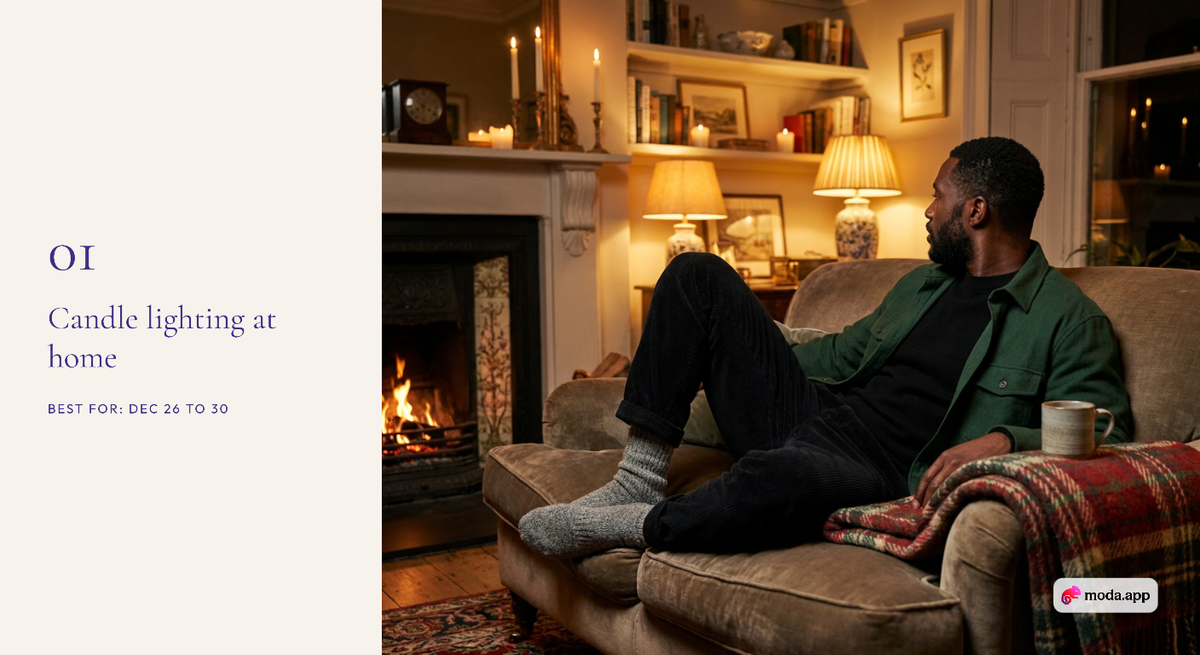
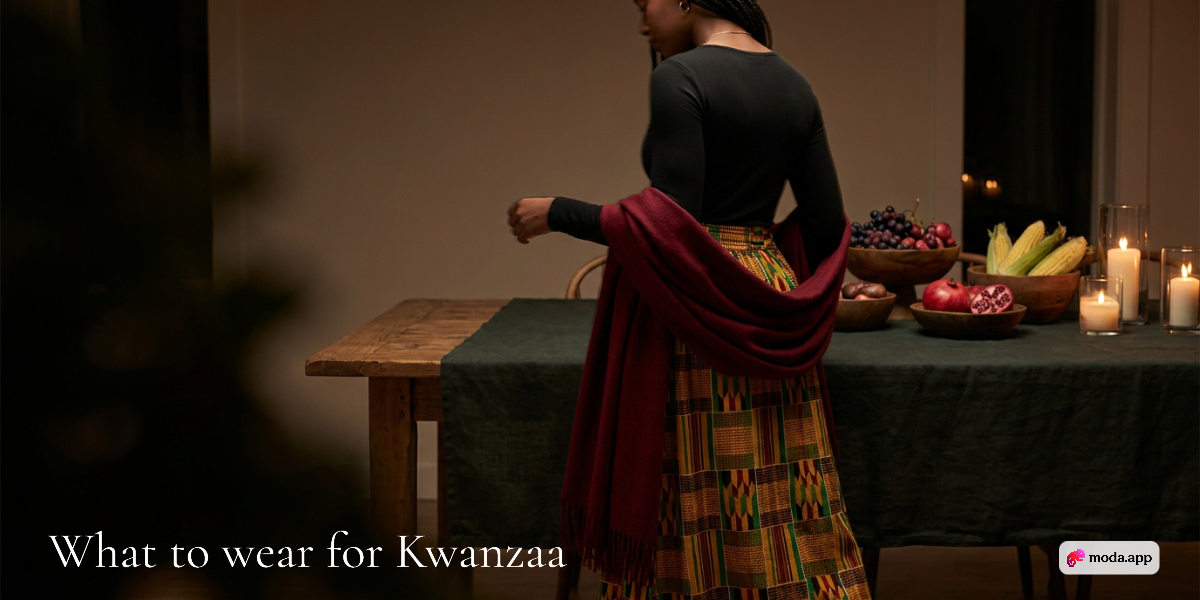
Try a black merino sweater with a forest green overshirt or cardigan, dark trousers or jeans, and warm socks. For a dress, a black jersey or knit midi with a red cardigan works. Avoid anything too fussy: you will be sitting, eating and possibly lighting candles, so skip long, loose sleeves and floaty scarves near the flame.
2. A community celebration or museum event
Public Kwanzaa programs at museums, libraries and cultural centers can include music, dance and vendors. This is a natural place for a dashiki or printed top, worn with practical layers because you may be on your feet and moving between rooms.
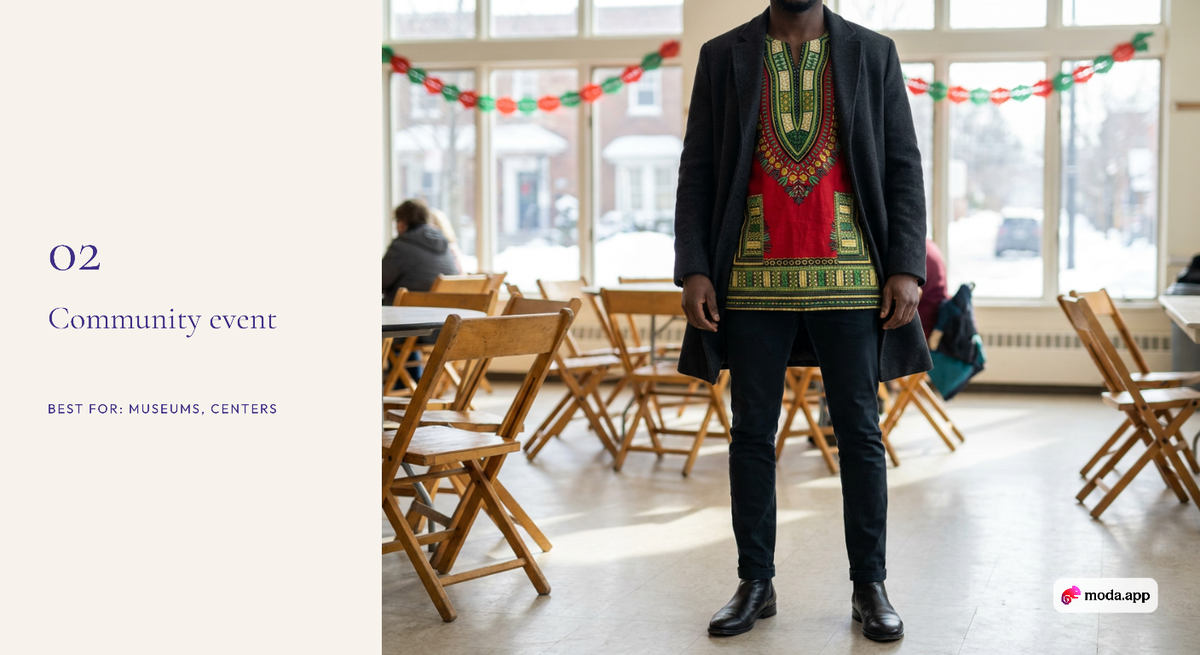
Pair a printed dashiki with slim black trousers, an open wool coat and boots, or a print top with a black skirt and tights. Bring a bag for anything you buy from vendors, and choose shoes you can stand in for a couple of hours.
3. The Karamu feast (December 31)
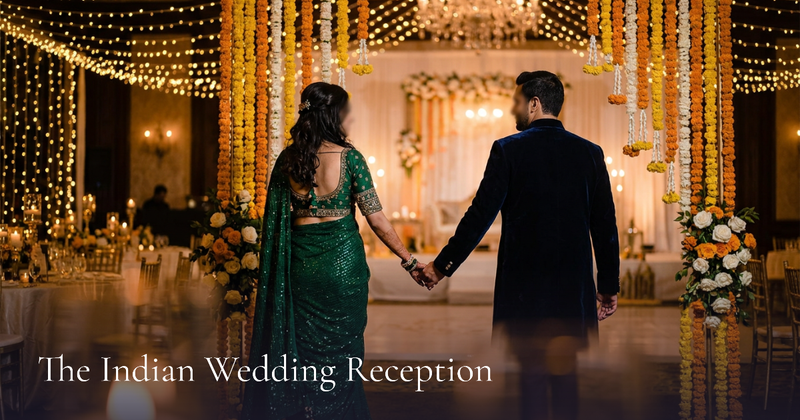
The Karamu is the dressiest night of the week: a communal feast on the sixth day, which can include music, performances and speeches. If you own one special African garment, this is the night to wear it.
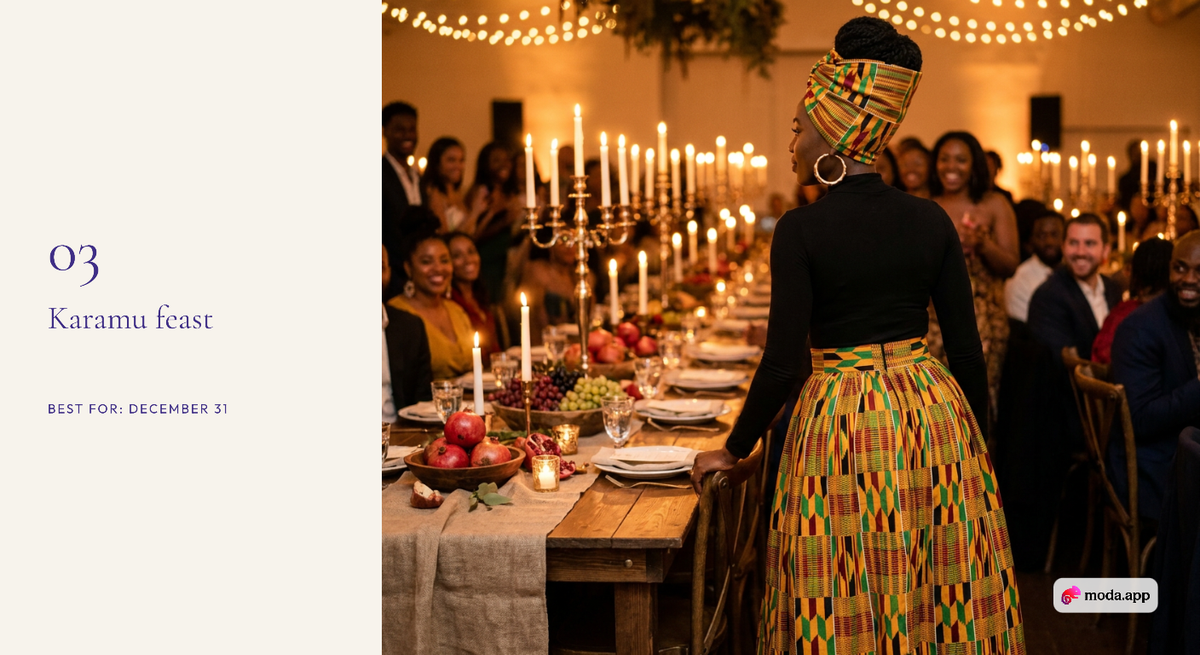
A full kente skirt with a fitted black top and a matching head wrap, a long printed kaftan, or a black suit with a kente stole all fit. Gold jewelry suits the candlelit setting. If the Karamu is also your New Year's Eve plan, choose shoes you can dance in and a warm coat for the journey home, since late December nights are cold across much of the US and Canada.
4. Imani day (January 1)
The last day is devoted to Imani, faith, and it is also New Year's Day, so for many it is a quieter, more reflective day. Dress for comfort and calm.
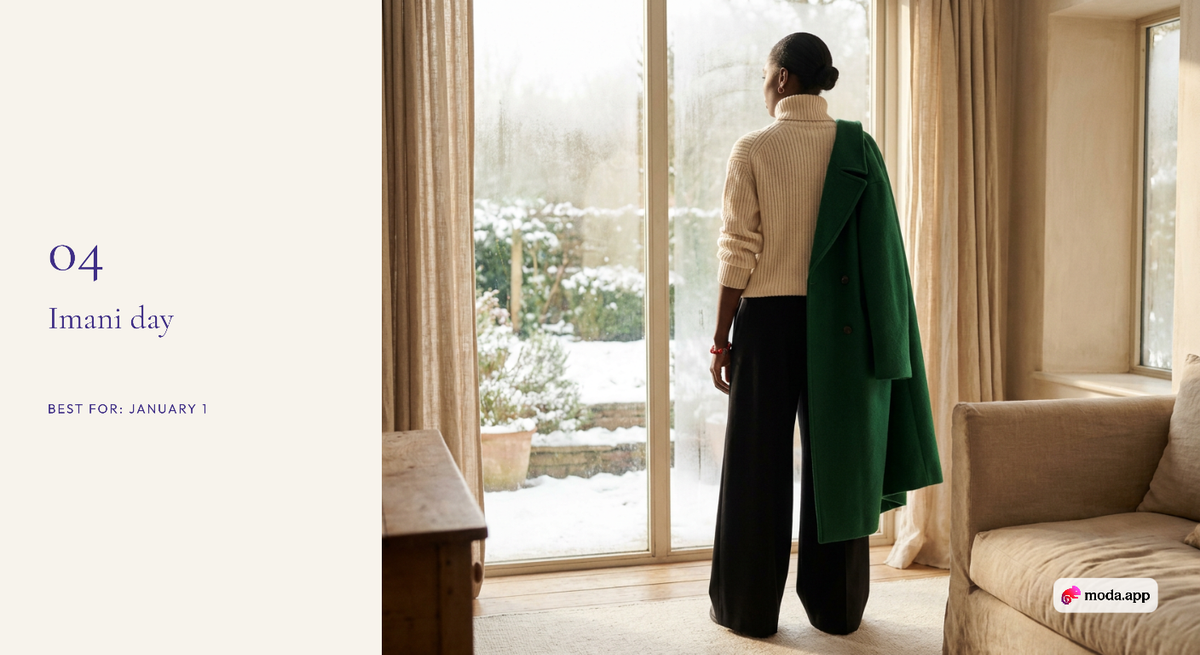
A cream knit, black wide-leg trousers and an emerald green coat is an easy way to keep the colors without the drama of the night before. A small red accent, such as a bracelet or scarf, finishes the set.
Going as a guest: what to know
If you are invited to someone else's Kwanzaa celebration, follow your host's lead. The official Kwanzaa website asks celebrants to come with respect for the holiday's values, symbols and practices, and that applies to what you wear.
- Ask what people usually wear. Some families dress up for the Karamu; others keep it casual.
- Colors are a safe choice. Black with a red or green accent shows care without borrowing ceremonial cloth.
- Ask before bringing a gift. Gifts (zawadi) are one of the seven basic symbols listed on the official Kwanzaa website, so check with your host what the family does rather than guessing.
Dressing for late-December weather
Kwanzaa falls in the coldest stretch of the year for much of North America, so your outfit has to work under a coat. Choose a coat in black, charcoal or deep green so it stays on theme in photos, and keep printed pieces on top where they can be seen indoors. For colder cities, our guide to what to wear in 0 degree weather covers base layers, and if you are heading to a second holiday party the same week, our holiday party outfit guide helps you plan looks that can share pieces.
FAQ
What colors do you wear for Kwanzaa?
Black, red and green, the colors of the bendera. The official Kwanzaa website says black is for the people, red for their struggle and green for the future. A black base with red and green accents is the easiest way to wear them.
What do you wear to a Karamu?
The Karamu on December 31 is the dressiest night of Kwanzaa. Many people wear African garments such as a kente skirt or stole, a printed dashiki or a kaftan; a black outfit with a red or green accent is also appropriate.
When is Kwanzaa 2026?
Kwanzaa 2026 starts on Saturday, December 26, 2026 and ends on Friday, January 1, 2027. The Karamu feast is on Thursday, December 31.
Can I wear kente to a Kwanzaa celebration?
Yes, kente is widely worn for Kwanzaa and other African American celebrations. Wear it with respect for its Ghanaian origins, ideally buying woven cloth from Ghanaian weavers or sellers who name where it was made, and ask your host if you are unsure.
Do you have to dress up for Kwanzaa?
No. Most evenings are relaxed family gatherings at home. People tend to dress up for the Karamu and for public celebrations, and keep the colors as a simple nod on other nights.
Plan all seven days in one place
Kwanzaa is seven evenings in a row, and one of them is New Year's Eve. Elara keeps your wardrobe in one digital closet, so you can plan each night on the Calendar, ask the AI stylist which of your pieces pair with a kente stole or a red wrap, and see the full week before you start getting dressed. Try Elara and plan your Kwanzaa outfits from what you already own.
Your stylist, in your pocket
Stop reading about outfits. Start wearing them.
Elara knows your closet, shops every store and gets you dressed for any occasion.