What to Wear Ice Skating: Socks, Layers and Outfits for Holiday Rinks
Thin socks above the boot, light layers, stretchy trousers and gloves that protect your hands. What skating guides advise, plus outfits for outdoor rinks.
 Mehul AgarwalFounder & CEO
Last updated: October 2026
Quick answer: For ice skating, wear warm, light layers you can take off as you heat up, long trousers that move with you (leggings, thermal-lined joggers or stretch trousers rather than stiff jeans), gloves, and one pair of thin socks that reach above the top of the skate boot. U.S. Figure Skating advises against thick socks, which bunch inside the boot, and recommends gloves mainly to protect your hands when you fall, plus a helmet for beginners.
Holiday skating season is open. The Rink at Rockefeller Center opened for general skating on October 10, 2026 and runs to March 27, 2027, according to Rockefeller Center, and Skate at Somerset House in London runs from 11 November 2026 to 10 January 2027. Whether you are going on a date, with kids, or for the first time in years, the right outfit is the difference between an hour of fun and an hour of cold, sore feet. This guide covers what skating organisations actually recommend, why, and how to make it look good in photos.
Start with your socks: thin, not thick
It sounds backwards in winter, but a common mistake is wearing thick socks. U.S. Figure Skating's first-day guide says "one pair of lightweight socks or thinner tights work best," because "bulky, thick socks limit support and create uncomfortable bumps inside your boots." Kent State University's Learn to Skate FAQ adds that socks should be tall enough to cover the ankle and come above the top of the skate, so the boot does not rub bare skin.
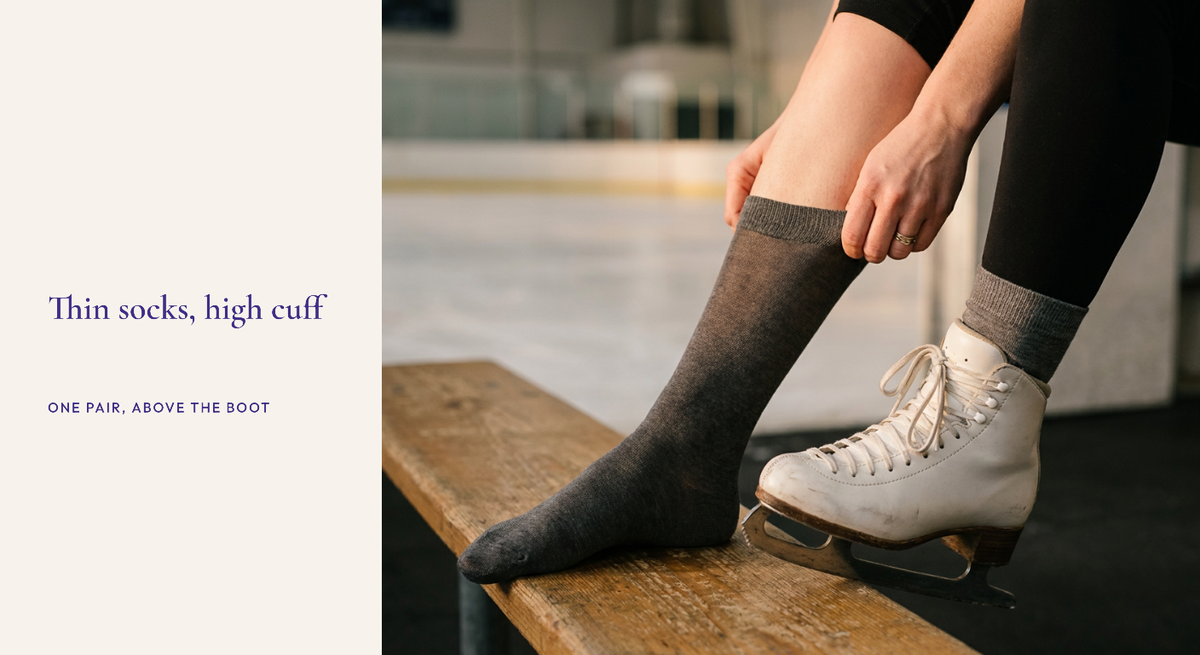
- Choose: thin merino or synthetic hiking-style socks, or knee-high trouser socks, that sit above the boot cuff.
- Avoid: two pairs, chunky wool socks and ankle socks.
- Pack a spare pair. Rental skates can be damp, and dry socks after the session make the walk home much nicer.
- Lace rental skates firmly around the ankle. A loose boot lets your heel lift and is harder to balance in; tight laces at the ankle and slightly looser at the toes is the usual approach.
Layer for a workout, not a walk
Skating warms you up faster than you expect. L.L.Bean's skating tips recommend "warm, light layers that can be added or removed," and U.S. Figure Skating advises wearing plenty of layers with a jacket and taking them off as you warm up.
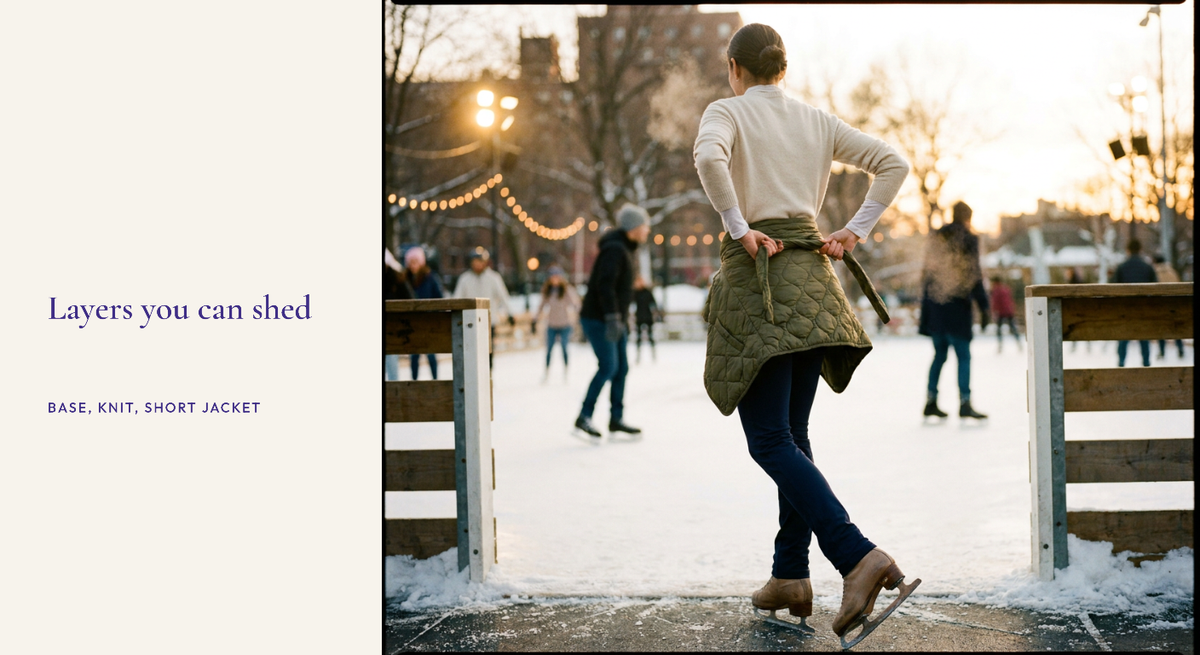
- Base: a fitted long-sleeve top in merino or a wicking synthetic.
- Middle: a fine-knit sweater, a cropped cardigan or a zip fleece. This is the layer you will want to shed once you warm up.
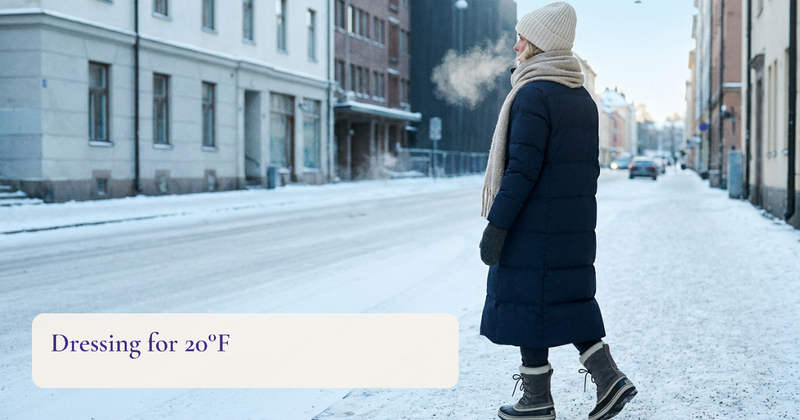
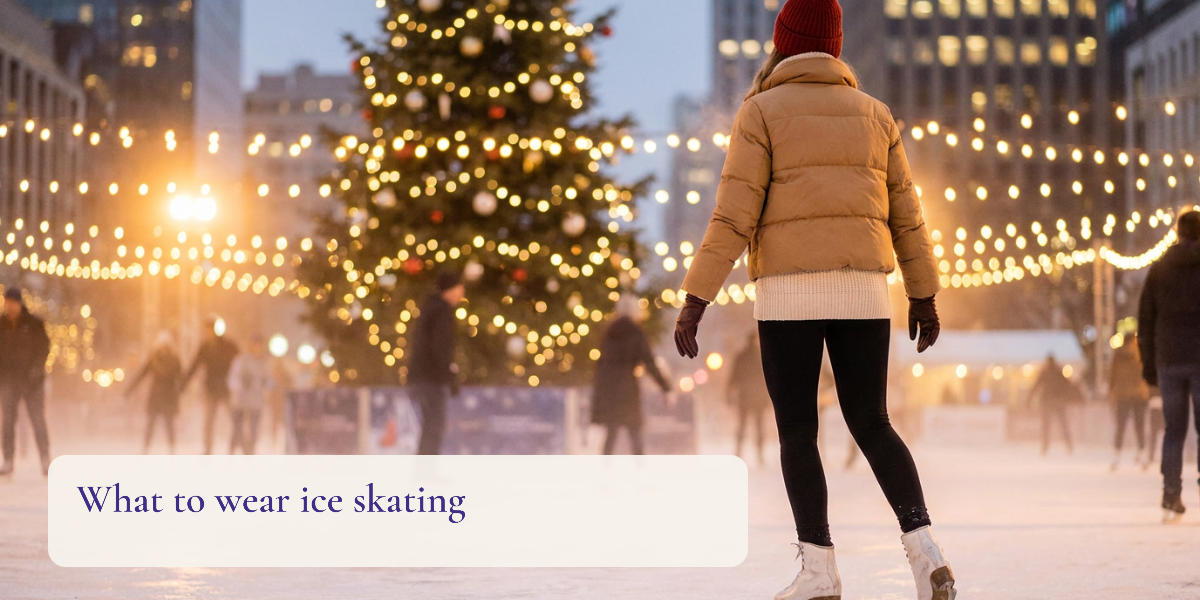
- Outer: a short puffer, a quilted jacket or a fitted wool coat for outdoor rinks. Keep it hip-length or shorter so it does not get in the way of your knees bending.
- Bottoms: leggings, thermal-lined leggings, stretch trousers or joggers. U.S. Figure Skating says sweatpants or warm-up pants are better than bulky snow pants. Kent State notes that skaters need long trousers and long sleeves, which protect your skin if you fall on the ice.
- About jeans: they are fine for a short, careful skate, but stiff denim limits how far you can bend your knees, and if you fall it gets wet and stays cold. Stretch denim is a reasonable compromise.
For more on base layer fabrics, see our guide to merino vs synthetic base layers.
Gloves and helmets: protection first
U.S. Figure Skating is clear about why gloves matter: "They're not to keep your hands warm; they protect hands as skaters learn to fall and stand back up." Ice is hard and skate blades are sharp, so bare hands on the ice are a bad idea.
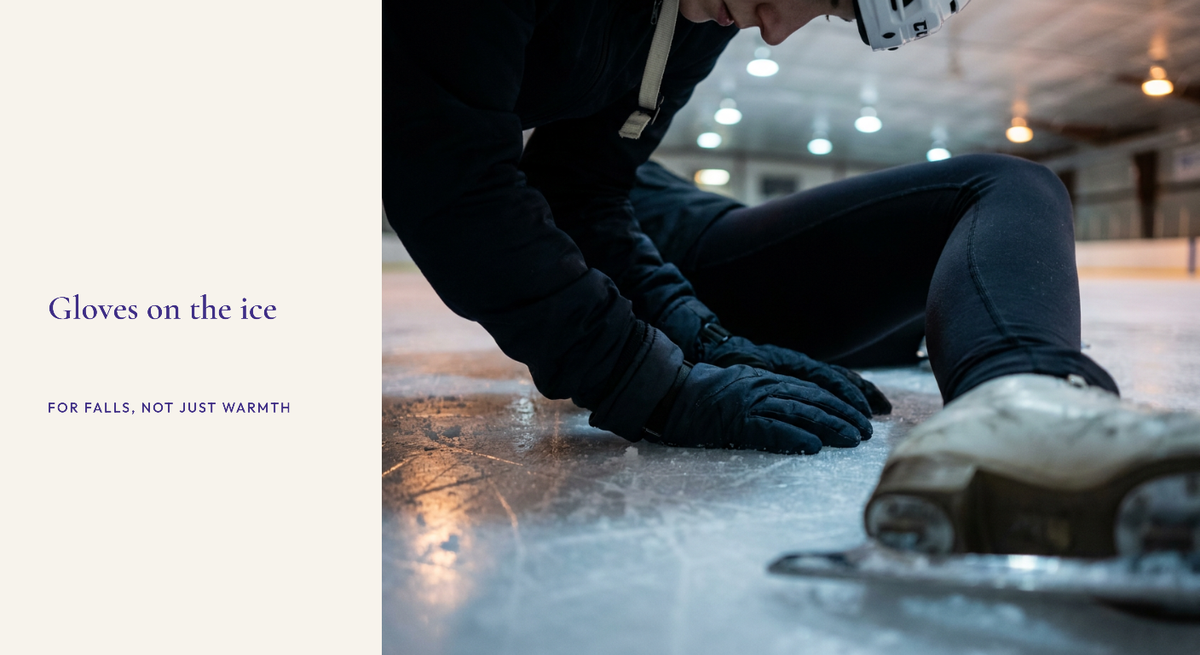
- Gloves: fitted, not bulky, and ideally water resistant, as L.L.Bean suggests. Knit gloves get wet quickly; leather or lined synthetic ones stay drier.
- Helmets: U.S. Figure Skating says all beginning skaters should wear one, and Kent State's FAQ notes U.S. Figure Skating "strongly recommends" a hockey or multi-sport helmet for beginners. For children and first-timers, it is worth it. A beanie fits under most multi-sport helmets.
Want this styled from your own closet?
Elara builds the look from what you own, then lets you try it on.
- Hats and scarves: a beanie or headband keeps ears warm at outdoor rinks. Tuck scarf ends inside your jacket so they do not swing into your face or under your feet if you fall.
Outfits for outdoor holiday rinks
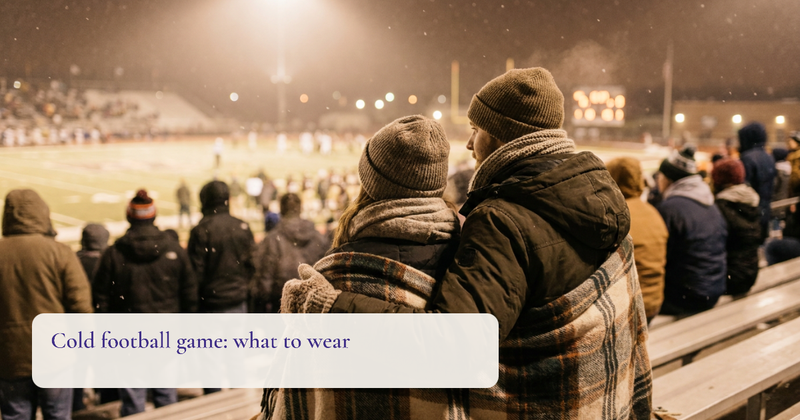
Rinks like Rockefeller Center and Somerset House are outdoors, so dress for the weather as well as the activity. Rockefeller Center's own guidance is simply to "dress for the weather" because the rink is outdoors, and sessions there are 60 minutes long, so you will be outside for well over an hour once you add check-in and skate rental.
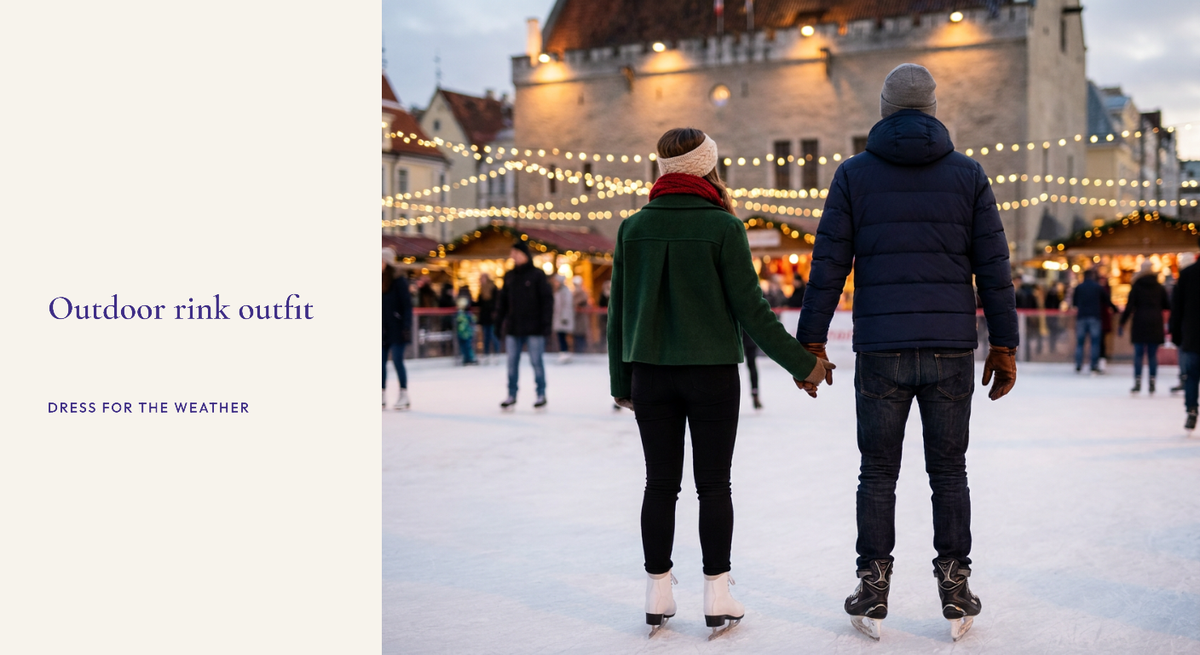
Three looks that work and photograph well:
- The date skate: thermal leggings or stretch trousers, a cream or red fine-knit sweater, a short puffer or cropped wool jacket, a beanie, leather gloves and knee-high thin socks. Add a red or green scarf tucked into the collar for a festive colour pop.
- The family skate: joggers, a fleece zip-up under a waterproof shell, a helmet over a thin beanie for kids, mittens in a pocket for the walk home.
- The city-break skate: dark stretch jeans, a turtleneck, a short wool coat, a knit headband and slim gloves, so you can walk on to dinner without changing.
Indoor rinks are usually milder than an outdoor rink in December, so drop the outer layer and keep the sweater and gloves.
What to leave at home
- Long, full skirts and very wide-leg trousers. Extra fabric around the ankles can catch on the boot or get in the way when you are learning to stop.
- Thick socks or two pairs of socks, for the reasons above.
- Bulky snow pants, which U.S. Figure Skating says are worse than sweatpants or warm-up pants.
- Big bags. Many rinks have lockers or a bag check; keep your phone in a zipped pocket so it does not hit the ice.
For outdoor plans around the rink, our guides on what to wear to a Christmas market and how to tie a scarf six ways pair well with this one.
FAQ
What should I wear ice skating for the first time?
Leggings or stretch trousers, a long-sleeve base layer, a light sweater, a jacket you can take off, gloves, and one pair of thin socks that reach above the skate boot. U.S. Figure Skating also recommends a helmet for beginners.
Should you wear thick socks to go ice skating?
No. U.S. Figure Skating says thick socks limit support and create uncomfortable bumps inside the boot. Wear one pair of thin socks that come up above the top of the skate.
Can you wear jeans ice skating?
You can, but stiff denim limits knee bend and stays cold and wet after a fall. Stretch jeans are a better choice, and leggings or joggers are better still.
Do you need gloves for ice skating?
Yes. U.S. Figure Skating says gloves are mainly there to protect your hands when you fall and push yourself back up, not just for warmth. Choose fitted, water-resistant gloves.
What should I wear to skate at Rockefeller Center?
Dress for an outdoor winter hour: thin socks, leggings or stretch trousers, a base layer and sweater, a short jacket, a beanie and gloves. Sessions are 60 minutes, and the rink is open for the 2026 to 2027 season from October 10 to March 27.
Is ice skating cold?
Usually less than you expect once you are moving. Skating is exercise, which is why layers you can remove matter more than one heavy coat.
Planning a skate date or a winter city break? Add your wardrobe to Elara, tell it the plan and the forecast, and it will put together complete skating outfits from what you already own, from socks to scarf. Try Elara free.
Your stylist, in your pocket
Stop reading about outfits. Start wearing them.
Elara knows your closet, shops every store and gets you dressed for any occasion.