What to Wear on a First Date: Outfit Ideas
First-date outfit ideas for every occasion—coffee, dinner, outdoor, winter, and summer. Wear proven pieces from your existing wardrobe for comfort and confidence.

What to Wear on a First Date: By Season & Mood
Table of Contents
- Introduction: The Real Secret to First-Date Dressing
- Why Your Existing Wardrobe Is Your Best First-Date Asset
- Outfit Ideas by Occasion: Match the Date to the Look
- Color, Fit & the Psychology of First-Date Dressing
- Sustainable First-Date Dressing: The Rental & Eco Option
- Frequently Asked Questions
- Conclusion: Dress Like Yourself, Not Like a Trend
Key Takeaways
- Wear an outfit you've already tested — proven fit and comfort outperform newness every time, since unfamiliar clothing creates distraction, not confidence (Skinned Cartree).
- This guide covers five date types: coffee, dinner, outdoor/activity, winter, and summer.
- The leading first-date colors for 2026 are butter yellow, powder pink, and mocha mousse (Athleisure Magazine).
- Most wardrobes already hold first-date-ready pieces — the goal is rediscovery, not a shopping trip.
Introduction: The Real Secret to First-Date Dressing
You've opened your wardrobe, stared at a rail of clothes for ten minutes, and somehow concluded you own nothing suitable. This is one of the most universal pre-date experiences there is — and it happens regardless of how much you actually own.
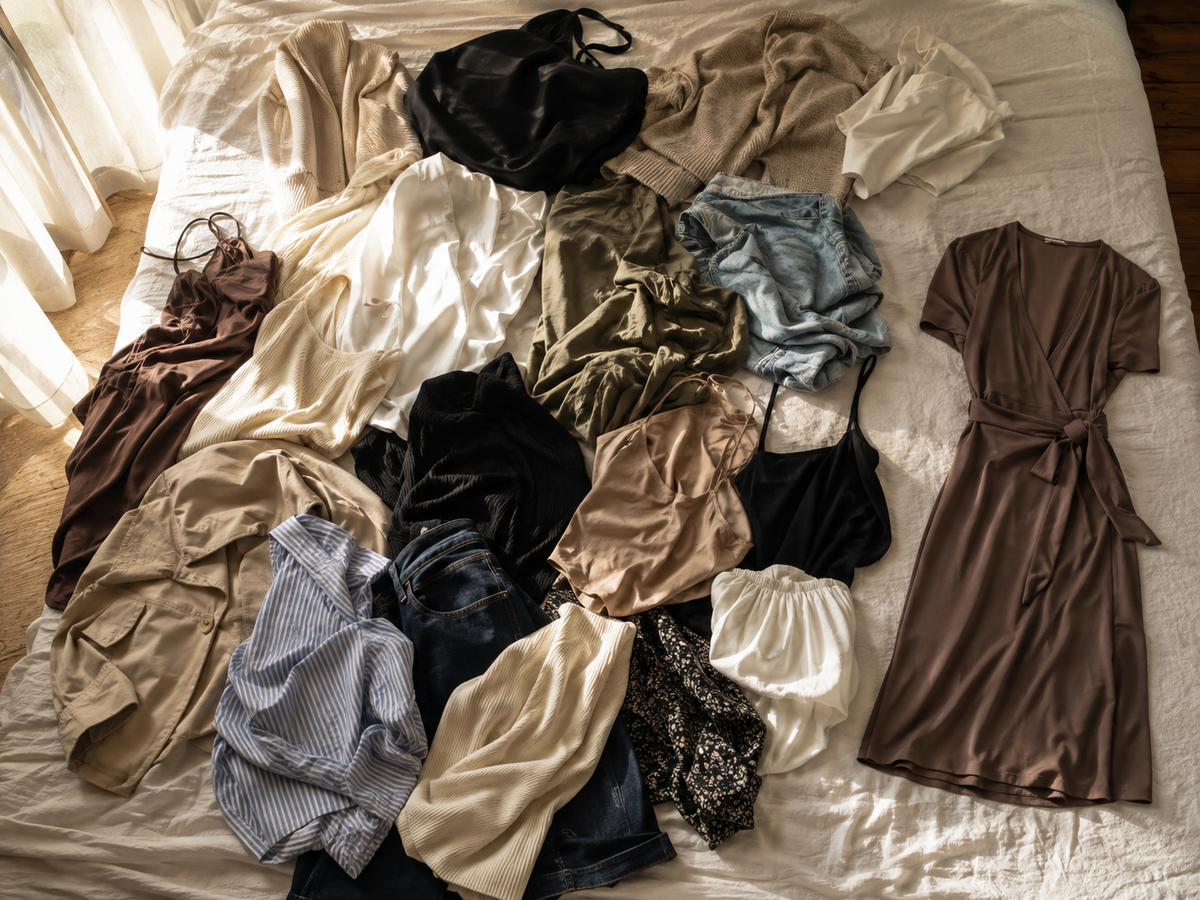
Here's the counterintuitive truth: the best first-date outfit isn't a new one. It's the piece you've worn before, received a compliment in, and can sit, walk, and laugh in without a second thought. Glamour puts it plainly — the goal is to feel relaxed and move comfortably, which is something only a proven outfit can guarantee. A new dress with an unfamiliar zip, or jeans you haven't broken in, pulls your attention exactly where you don't want it: inward.
The scale of global fashion production makes this point even sharper. According to Dutch Label Shop's 2026 fashion statistics, over 100 billion clothing items are produced globally each year, while only around 80 billion are purchased. The average wardrobe is already well-stocked — the problem is rarely a shortage of options.
This guide works through the problem practically: seasonal outfit formulas you can apply to what you already own, a quick wardrobe audit to surface your best pieces, color and fit principles grounded in 2026 trend data, and a look at sustainable alternatives for when renting makes more sense than buying. No shopping list required.
Why Your Existing Wardrobe Is Your Best First-Date Asset
Most first-date style guides open with a product recommendation. This one doesn't, because the advice that actually serves you starts somewhere else entirely — inside the wardrobe you already have.
The case against wearing something new on a first date is straightforward. As Skinned Cartree notes, testing a brand-new outfit on a date introduces fit problems and discomfort that actively distract from the interaction. An unfamiliar neckline that gaps, a waistband that sits differently when you're seated, shoes that haven't been walked in — these are small things that compound into low-level anxiety throughout the evening. Your attention drifts to your clothes instead of the conversation.
The overproduction data reinforces why this matters. Dutch Label Shop's 2026 fashion statistics show that roughly 20 billion more clothing items are produced annually than are ever purchased — and consumers typically wear only a fraction of what they do own. The average wardrobe is underutilized, not under-stocked. A first date is one of the best occasions to rediscover pieces that already work for you.
A simple three-step audit helps surface those pieces:
- Identify items you've received compliments in. External validation is a reliable signal — if someone noticed and said something, the piece is doing its job.
- Pull items that fit without adjustment. No tugging, no pinning, no planning to "just hold it in place." If it requires management, leave it.
- Ask which pieces feel most like you — not most fashionable, not most expensive, but most authentic to how you want to show up.
Ready to upgrade your wardrobe?
Get the Elara app for AI-powered styling and virtual try-ons.
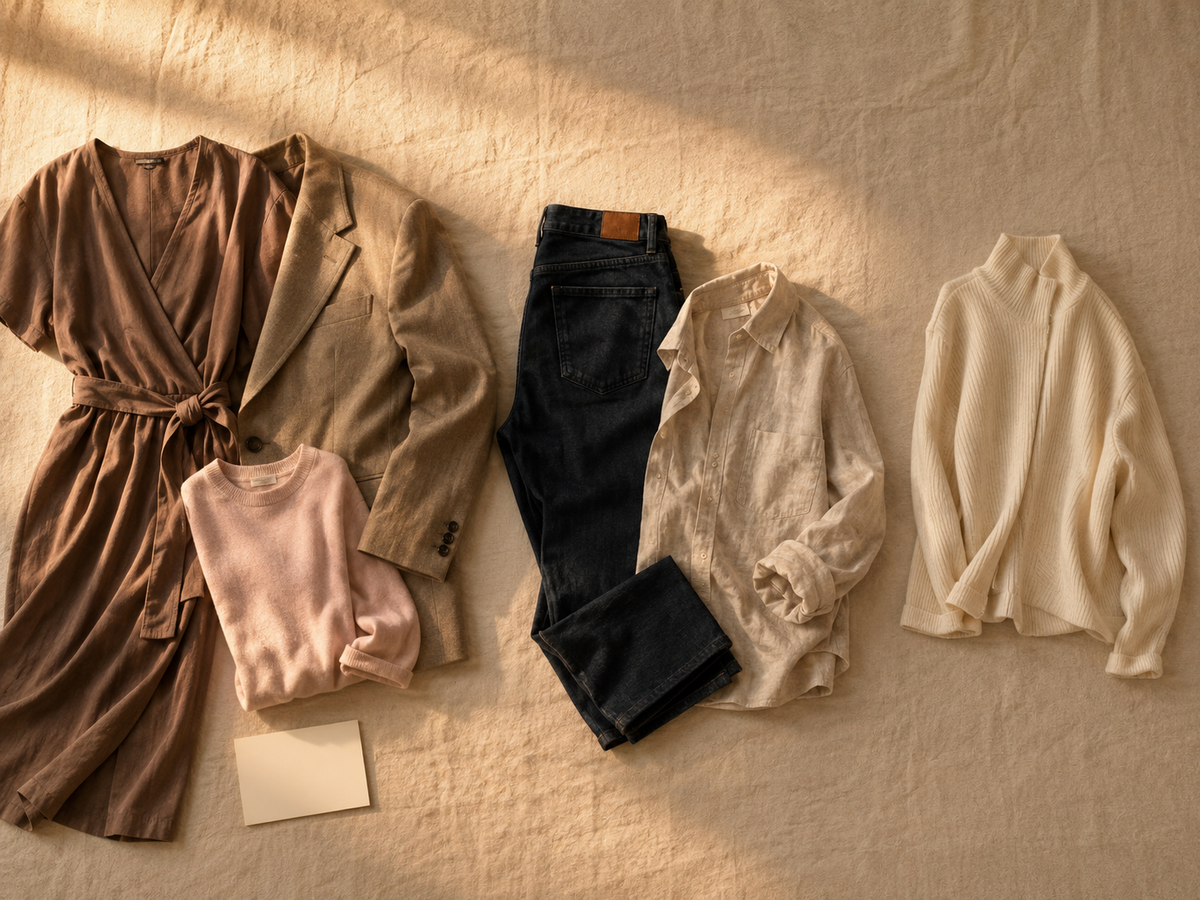
Decision fatigue is a genuine psychological barrier here. Standing in front of an open wardrobe at 6pm with a date at 7pm is not the moment to make good choices. Building a short mental or physical shortlist of pre-approved date outfits in advance removes that pressure entirely — and means the morning of a date involves confirmation, not excavation.
Outfit Ideas by Occasion: Match the Date to the Look
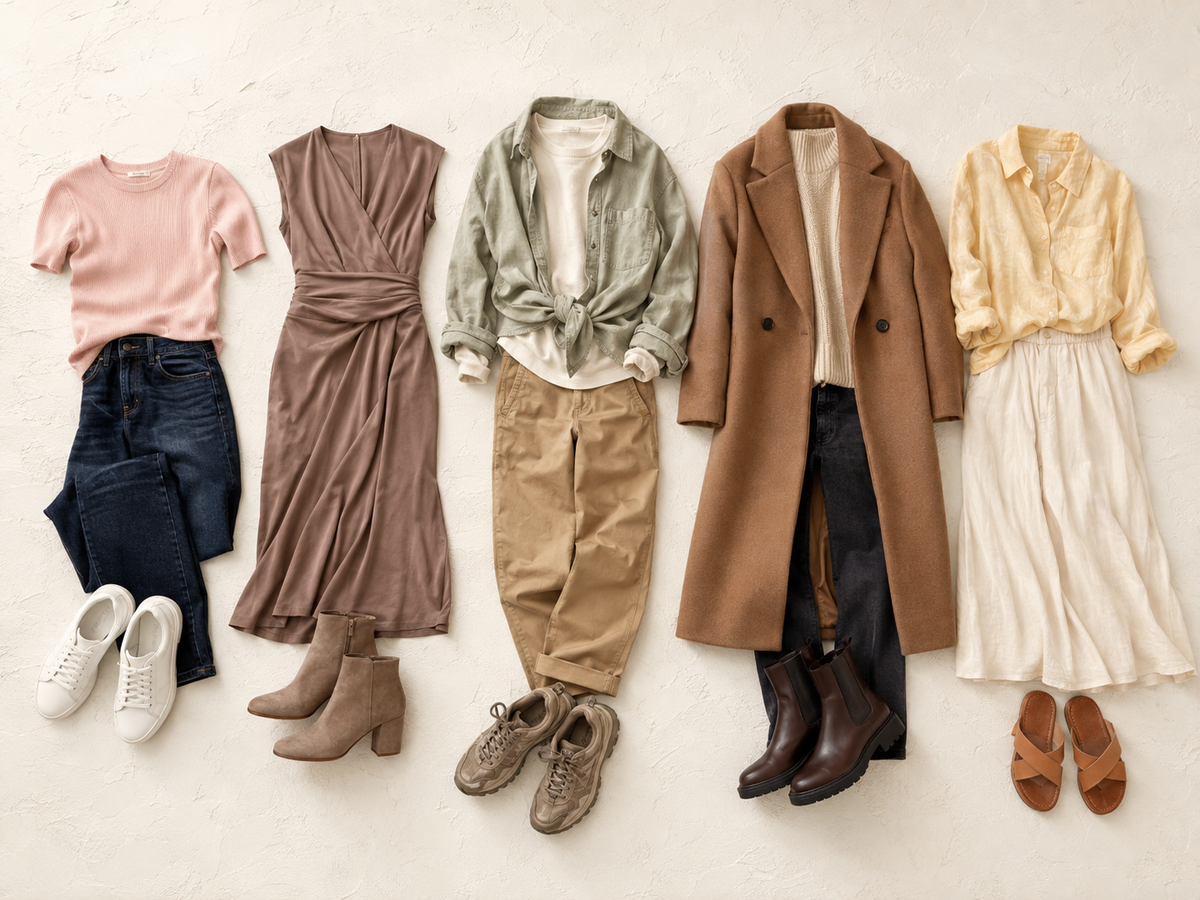
That shortlist approach works best when you've already mapped your wardrobe to specific scenarios. Once you know what kind of date you're going on, the formula becomes straightforward — not a shopping list, but a template you apply to pieces you already own.
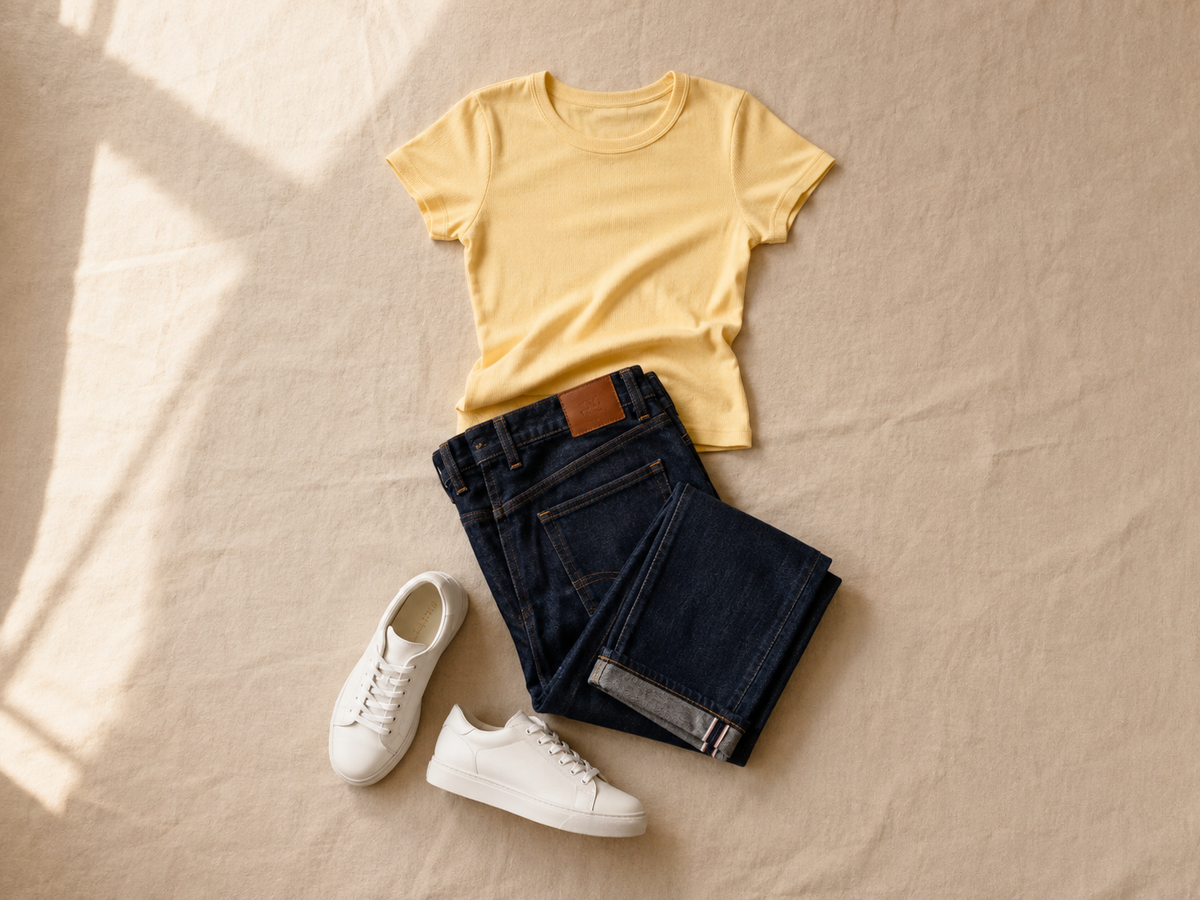
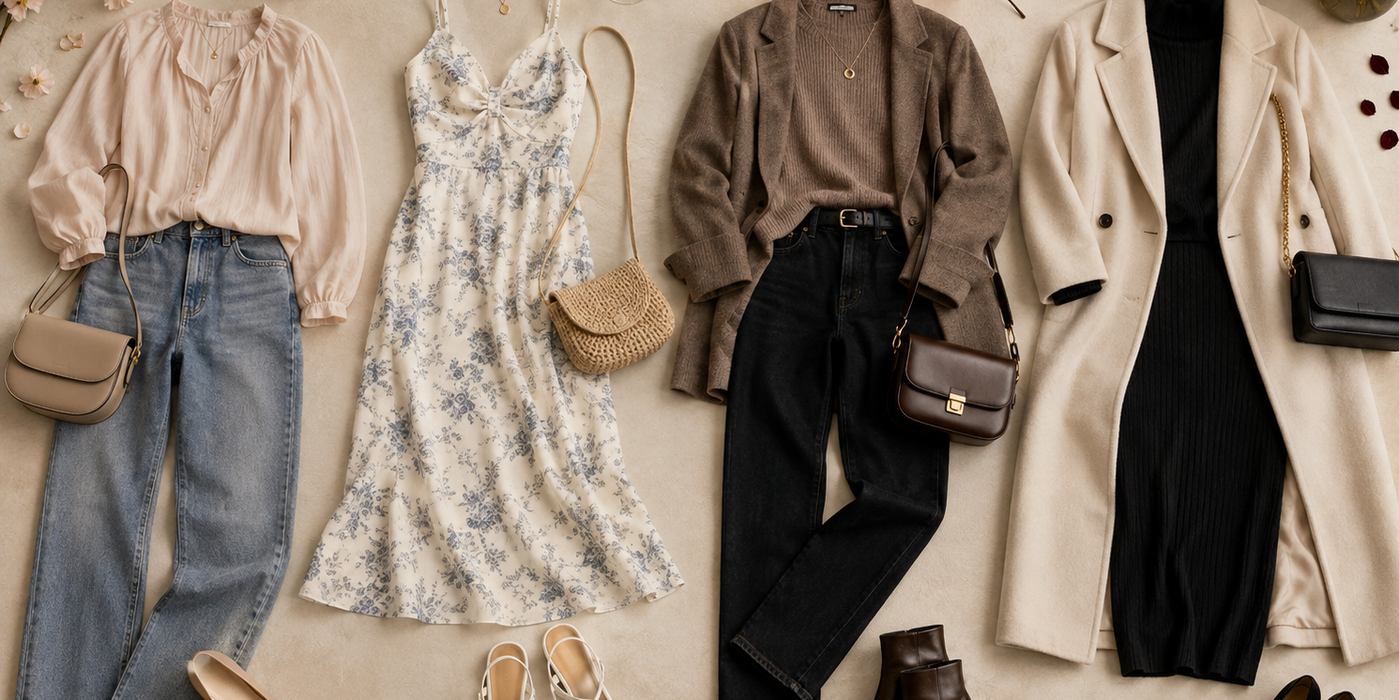
Coffee or casual daytime date. A simple fitted top, dark-wash jeans that sit well without pulling, and clean flats or low-profile sneakers is the blueprint here. Glamour recommends exactly this formula — "a basic top, dark-wash jeans, and comfortable flats" — because the goal is to feel relaxed and move easily, not to perform. If you want a 2026 color direction, a powder pink or butter yellow top works well in daylight and reads as warm without trying too hard.
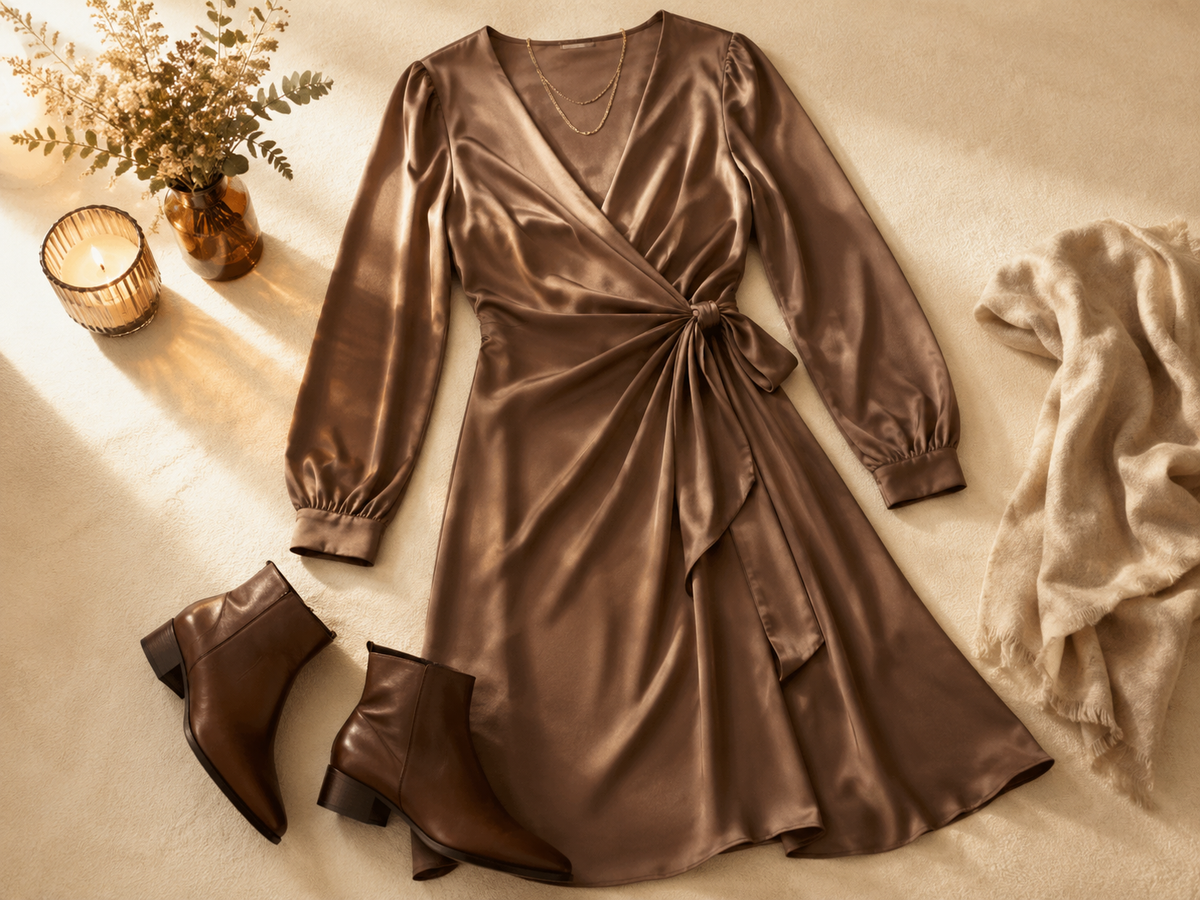
Dinner date. A tailored midi dress or wrap dress paired with low heels or ankle boots hits the right register: dressed up enough to signal intention, grounded enough that you're not overdressed for most restaurants. A mocha mousse wrap dress, for example, photographs well in candlelight and works across body types. This is a formula, not a prescription — if you own a well-fitting midi in any soft neutral, you already have the outfit.
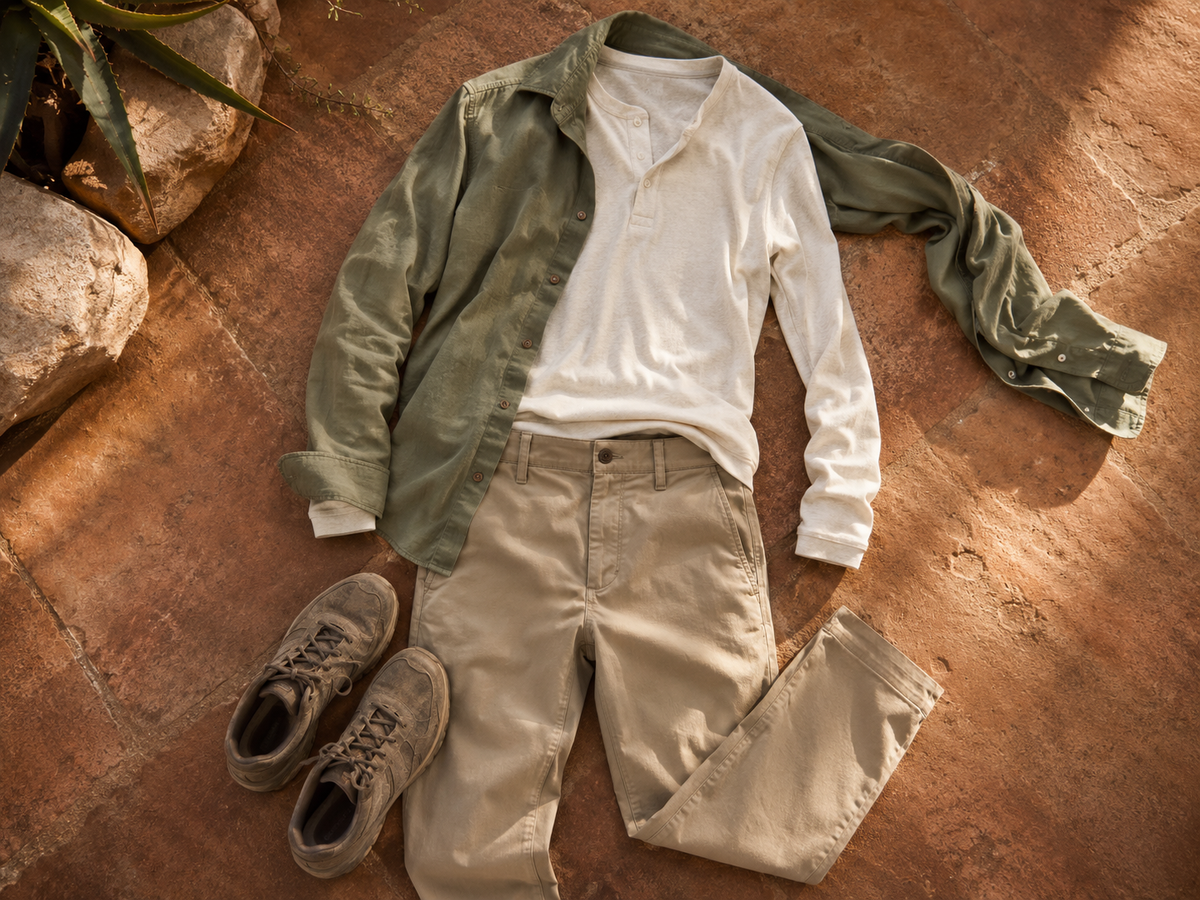
Outdoor or activity date. Layers are the operative word. A breathable base layer, a light overshirt or jacket you can tie around your waist, chinos or well-fitted casual trousers, and practical walking shoes that you've already broken in. A soft green jacket can serve as the color anchor here — visible and fresh without being loud.
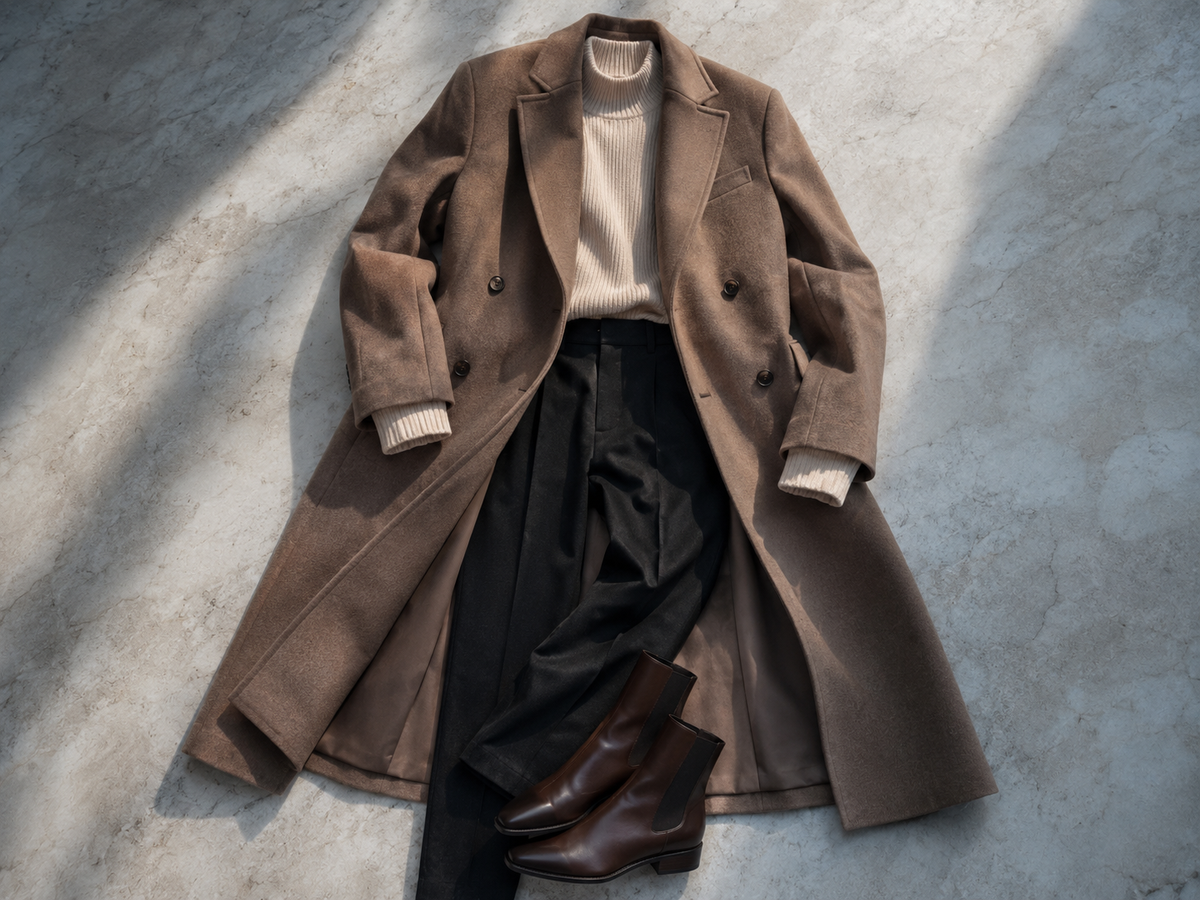
Winter date. Let the coat do the work. A structured or statement coat worn over simple knitwear and boots is a complete outfit — the coat is the hero piece, and everything underneath can be understated. Mocha mousse or camel tones in the coat layer are both current for 2026, according to style reporting from Athleisure Magazine, and they photograph well against winter light.
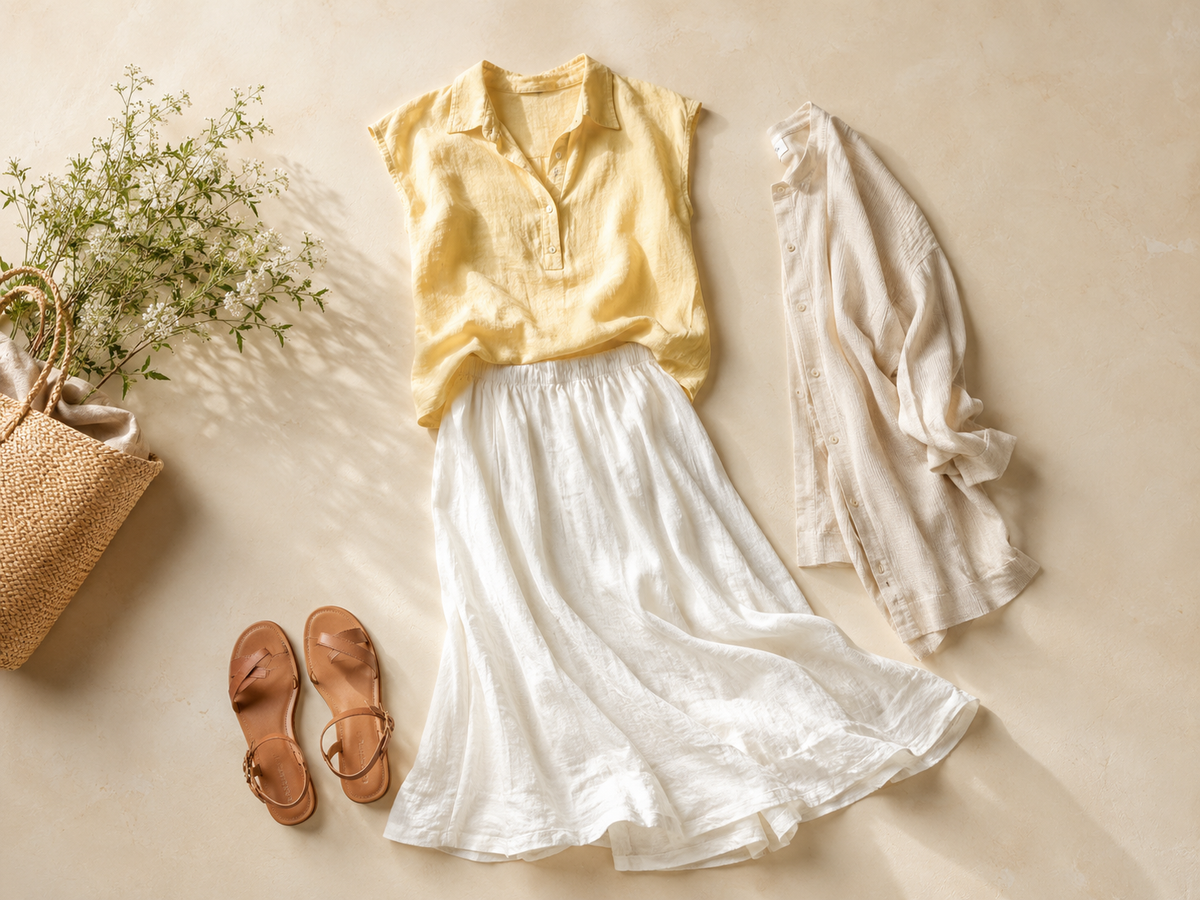
Summer date. Prioritize fabric weight over everything else. Linen, cotton, or lightweight jersey in light colors — butter yellow, soft white, or a pale sage — paired with sandals or loafers keeps things easy and appropriate for heat. One layer (a light cardigan or overshirt) gives you flexibility if the venue is air-conditioned.
Each of these five formulas follows the same underlying logic: venue-appropriate silhouette, a color that complements rather than competes, and pieces that have already proven themselves in your wardrobe.
Color, Fit & the Psychology of First-Date Dressing
Fit is the single highest-impact variable in any first-date outfit — a well-fitting basic will consistently outperform an ill-fitting designer piece. Skinned Cartree's advice is direct on this point: avoid testing a brand-new outfit on a date, since fit problems and discomfort actively distract from the interaction. The person across the table notices ease and confidence before they register what you're wearing.
Color operates on a subtler register. According to Athleisure Magazine's 2026 style reporting, soft wearable tones — butter yellow, powder pink, mocha mousse — are leading shades precisely because they're approachable and non-distracting. They put the focus on the person wearing them rather than the garment itself. This is the opposite of the "trendy statement piece" trap: a highly editorial silhouette or oversized trend item shifts attention from you to the outfit, which is exactly backwards for a first date.
The instinct to reach for something bold and attention-grabbing when nervous is understandable, but it tends to backfire. Soft neutrals signal confidence without effort — they read as intentional rather than anxious.
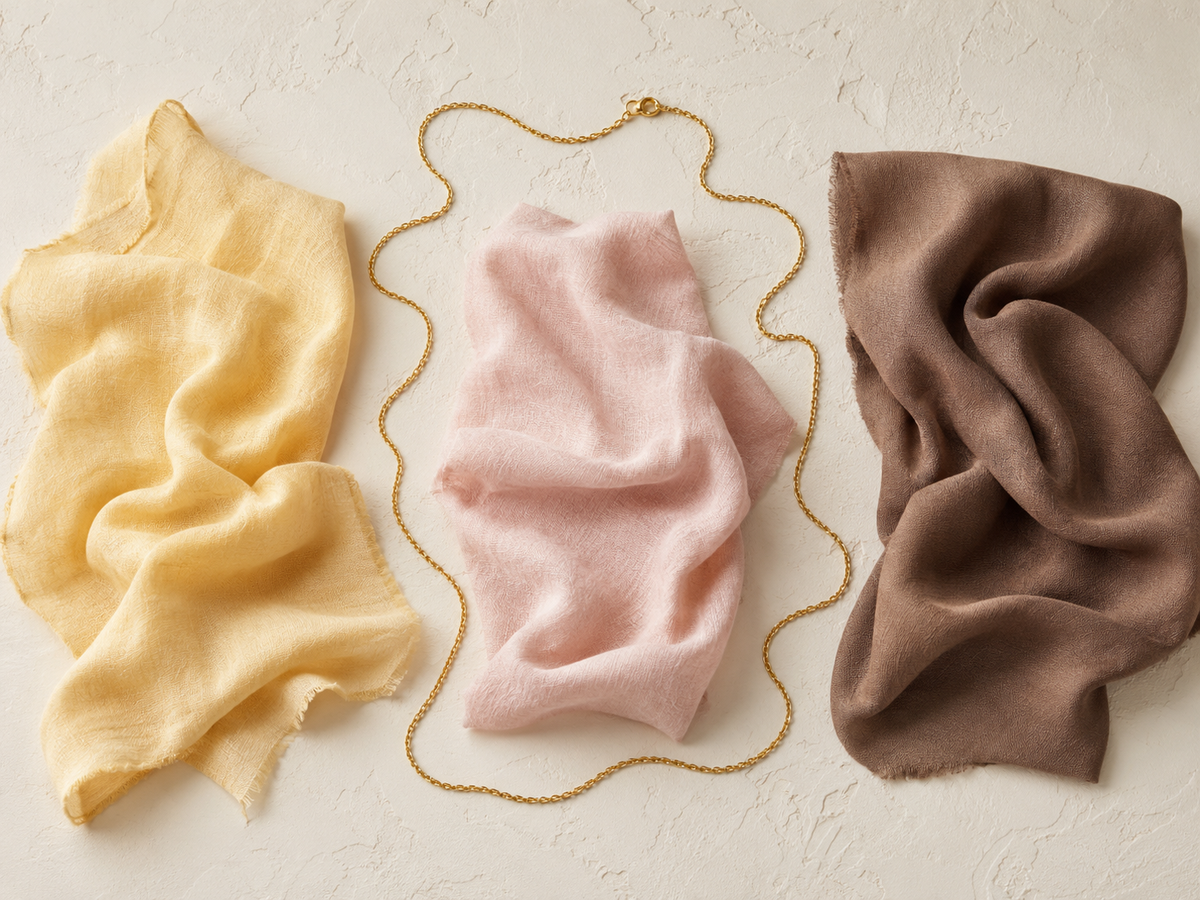
Accessories follow the same principle. McKinsey projects that jewelry will continue outperforming many apparel categories in 2026, which reflects a broader shift toward considered, lasting pieces over volume. One intentional accessory — a simple chain, a small earring, a clean watch — elevates a straightforward outfit without overwhelming it. The goal is addition, not distraction.
A practical check: do a full mirror test the day before. Sit down, walk around, reach for something. If anything pulls, pinches, or requires adjustment after two minutes, it won't improve on the date.
Sustainable First-Date Dressing: The Rental & Eco Option
A first date is, by definition, a one-off occasion — which makes it one of the strongest use cases for rental fashion. According to Dutch Label Shop's 2026 fashion statistics, more shoppers under 35 are actively choosing eco-certified clothing and rental services for exactly these kinds of high-stakes, single-wear moments. The logic is sound: you access a high-quality piece without the ownership risk, the impulse-buy regret, or the wardrobe integration problem of a garment you'll wear once and then avoid.
The overproduction context matters here. With over 100 billion clothing items produced globally each year while only around 80 billion are purchased — per Dutch Label Shop's 2026 data — the case for not adding to that surplus is more than ideological. Renting a statement coat or a dress for a first date is a meaningful individual decision that sits within a much larger systemic reality.
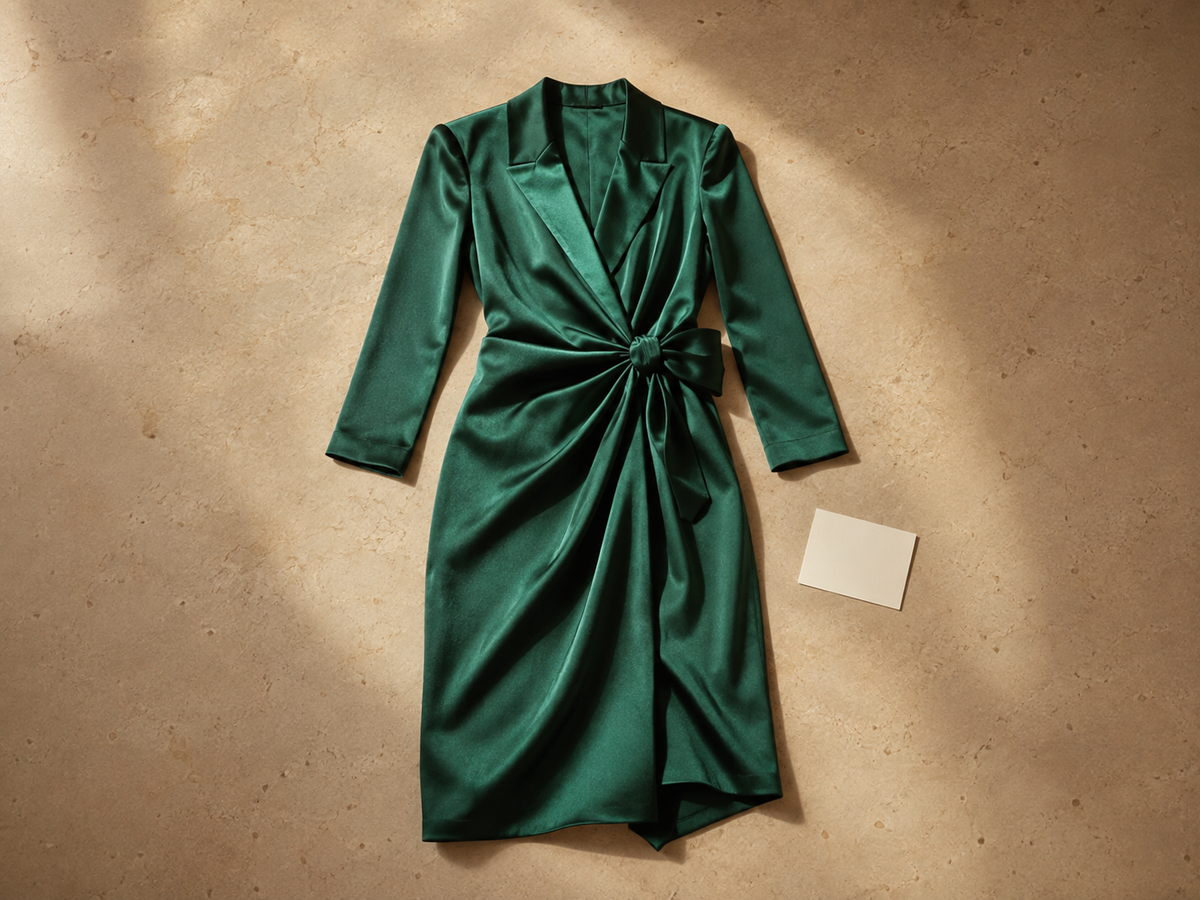
The deeper skill, though, is knowing when renting makes sense versus when you already own the right piece. That's where genuine wardrobe knowledge pays off. If you can accurately map what you own and what each piece is suited for, you spend less time defaulting to "buy something new" and more time making intentional choices — whether that means pulling a proven piece from your own closet or renting something specific for the occasion. Both options beat an anxious impulse purchase made the afternoon before.
Frequently Asked Questions
What if I genuinely don't have anything that fits the occasion? Start with the three-step audit from earlier in this article. Most people find at least one usable piece they'd forgotten about. If you truly need something, a rental service lets you access a quality piece for one evening without the buyer's remorse. This approach to "What to Wear on a First Date: Outfit Ideas for Every Kind of Date" prioritizes what you already own before adding anything new.
Should I wear something trendy to stand out? Trend-driven pieces actually work against you on a first date. A soft, neutral color or a classic silhouette keeps attention on you, not your outfit. Athleisure Magazine's 2026 reporting confirms that soft, wearable tones like butter yellow and mocha mousse outperform bold trend pieces for occasions where you want to feel confident and present.
How do I know if an outfit will feel comfortable enough? Test it before the date. Sit, walk, reach. If anything pulls or requires adjustment after two minutes, it won't feel better when you're nervous or engaged in conversation. This simple check catches most fit issues that would distract you during "What to Wear on a First Date: Outfit Ideas for Every Kind of Date" scenarios.
Is it better to rent or buy for a first date? Rental makes sense if you'll wear the piece only once and want to avoid adding to your wardrobe. Buying makes sense if it fills a gap you'll use repeatedly. Know what you already own before deciding — that wardrobe knowledge is what actually saves money and stress.
Conclusion: Dress Like Yourself, Not Like a Trend
That wardrobe knowledge — knowing what you own, what fits, and what's already proven — is the real throughline of first-date dressing. Proven fit, flattering color, and venue-appropriate simplicity aren't three separate tasks. They're one philosophy: wear what you already know works.
The outfit is a frame, not the picture. You can get every detail right — the soft mocha mousse palette, the tailored midi, the understated jewelry — and still walk in distracted if the clothes don't feel like you. First dates are remembered for the conversation, the laughter, the small moments of genuine connection. Nobody replays the blouse.
If outfit decision fatigue is a pattern rather than a one-off, that's worth addressing at the source. Elara is an AI stylist built around your actual wardrobe — not a wishlist, not a trend feed, but the clothes you already own. It surfaces the pieces you've forgotten, maps them to occasions, and cuts the morning spiral short.
Start with the three-step wardrobe audit from earlier in this article, or explore how Elara approaches wardrobe intelligence at joinelara.com.
Your AI Stylist is Here.
live on the App Store & Google Play
Available on iOS and Android for seamless access anytime, anywhere.