Best AI Stylist Apps in India: 2026 Guide
Best AI stylist apps in India ranked by use case — from wardrobe analytics to occasion-specific styling. Discover which app solves your specific styling problem.

Best AI stylist apps in India 2026: Guide
Table of Contents
- Introduction: Why Indian Users Need a Different AI Stylist Guide
- The 2026 Shift: Why 'Outfit Suggestion' Apps Are No Longer Enough
- The India-Specific Gap: What Global App Rankings Miss
- App-by-App Feature Breakdown: Matched to Your Job
- How to Choose: A Decision Framework for Indian Users
- Frequently Asked Questions
- Conclusion: Your Wardrobe, Your AI Stylist
Key Takeaways
- The AI stylist market is growing at 36.5% CAGR and is projected to hit USD 3.82 billion by 2035; 85 million users are expected to be using AI fashion apps by end of 2026.
- By use case: Klodsy leads virtual try-on, Indyx leads wardrobe digitization, Style DNA leads color analysis — no single app dominates all categories.
- The defining 2026 trend is wardrobe-first styling: the best apps analyze what you already own before suggesting new purchases.
- Choose by your specific need — outfit generation, color analysis, or sustainability tracking — not by overall rankings.
- Elara offers wardrobe-first conversational AI built for Indian users who want a stylist that actually knows them.
Introduction: Why Indian Users Need a Different AI Stylist Guide
The AI-powered personal stylist market is growing at a 36.5% CAGR, projected to scale from USD 171.89 million in 2025 to USD 3.82 billion by 2035, according to industry market research. Adoption is already accelerating: 47 million people used AI fashion apps in 2025, with that number expected to exceed 85 million by the end of 2026. Indian users are joining this wave now — which makes choosing the right app a genuinely consequential decision.
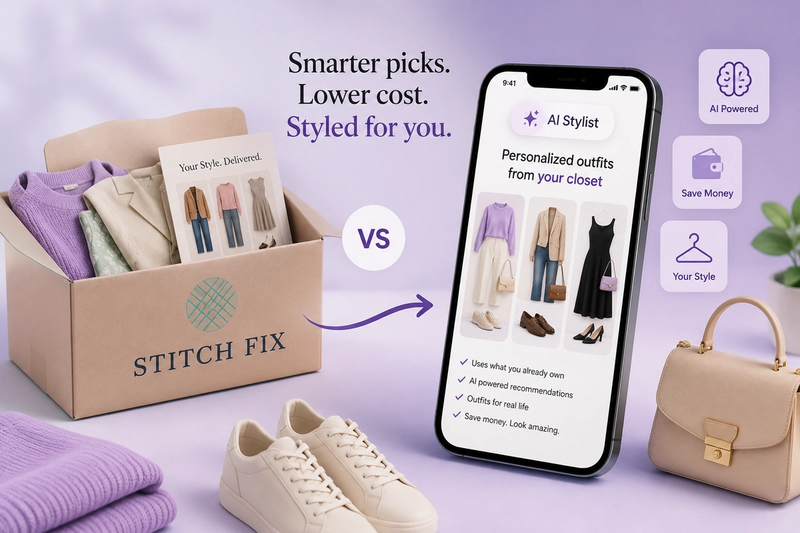
The problem is that most "best AI stylist app" guides aren't written for Indian users. They're built around Western wardrobes, Western occasions, and Western body standards. They don't account for the Diwali lehenga sitting next to office blazers, the kurta-to-formal transition, or the sheer wardrobe complexity that comes with navigating Indian festivals, weddings, and daily wear simultaneously. A guide that ranks Stitch Fix integrations above everything else is useless to someone in Mumbai planning a Navratri look.
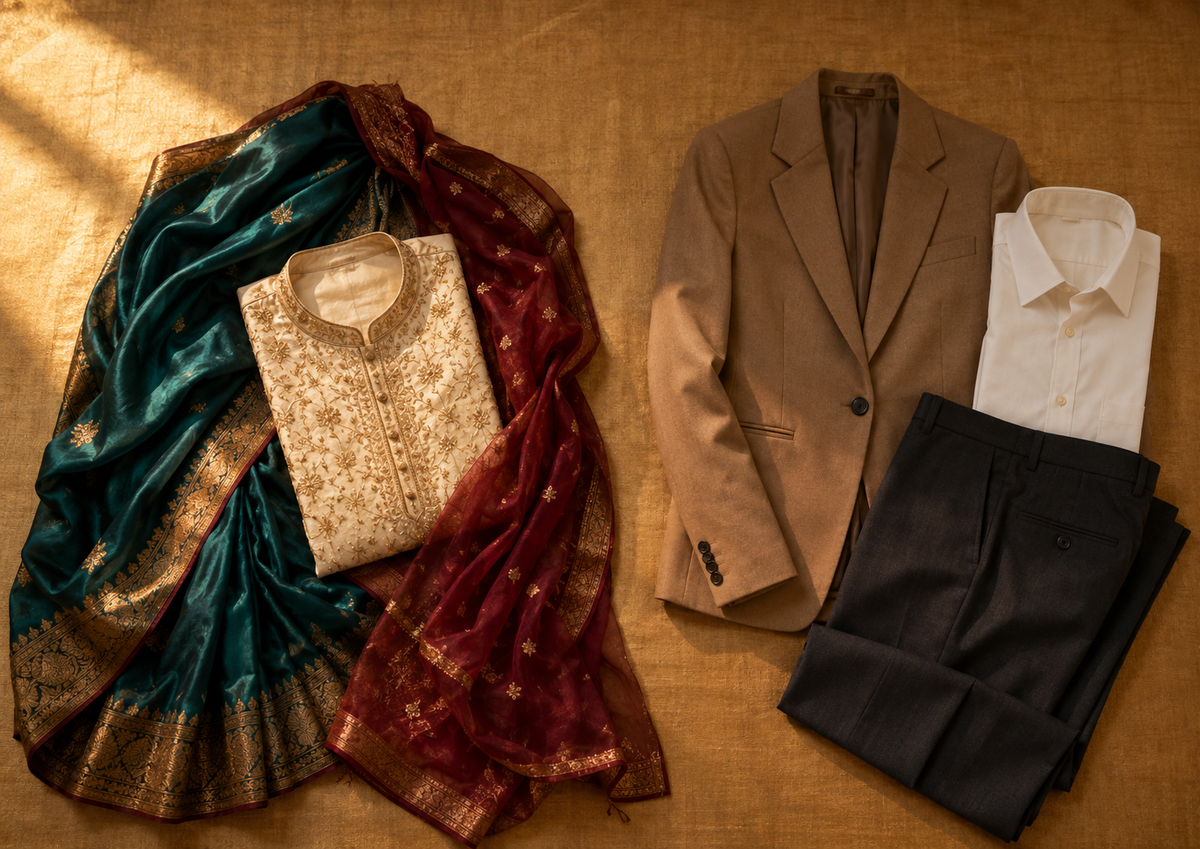
This guide does something different. It maps each major AI stylist app to the specific job it does best, then filters every recommendation through an India-relevance lens — local availability, cultural occasion support, and wardrobe-first logic that matches how Indian consumers actually think about clothing. By the end, you'll know exactly which app fits your specific need, not just a generic ranked list.
One platform worth knowing from the outset: Elara (joinelara.com) is a wardrobe-first AI stylist built for users who want genuine personalized intelligence — an AI that learns your wardrobe and your taste, not just one that pushes outfit inspiration from the internet.
The 2026 Shift: Why 'Outfit Suggestion' Apps Are No Longer Enough
The most significant change in AI stylist apps over the past two years isn't a new feature — it's a fundamental reorientation of purpose. The dominant 2026 trend is a shift from simple outfit suggestions to wardrobe-first, personalized styling: users now want apps that analyze what they already own, support body-shape and color analysis, and layer virtual try-on or intelligent outfit planning on top of that foundation.
The contrast with earlier apps is stark. The first generation of AI stylist tools functioned more like algorithmic Pinterest boards — pulling outfit inspiration from external sources, surfacing trending looks, and nudging users toward new purchases. They were built around aspiration, not inventory. The 2026 leaders are built around the opposite premise: your existing wardrobe is the asset, and the AI's job is to maximize it.
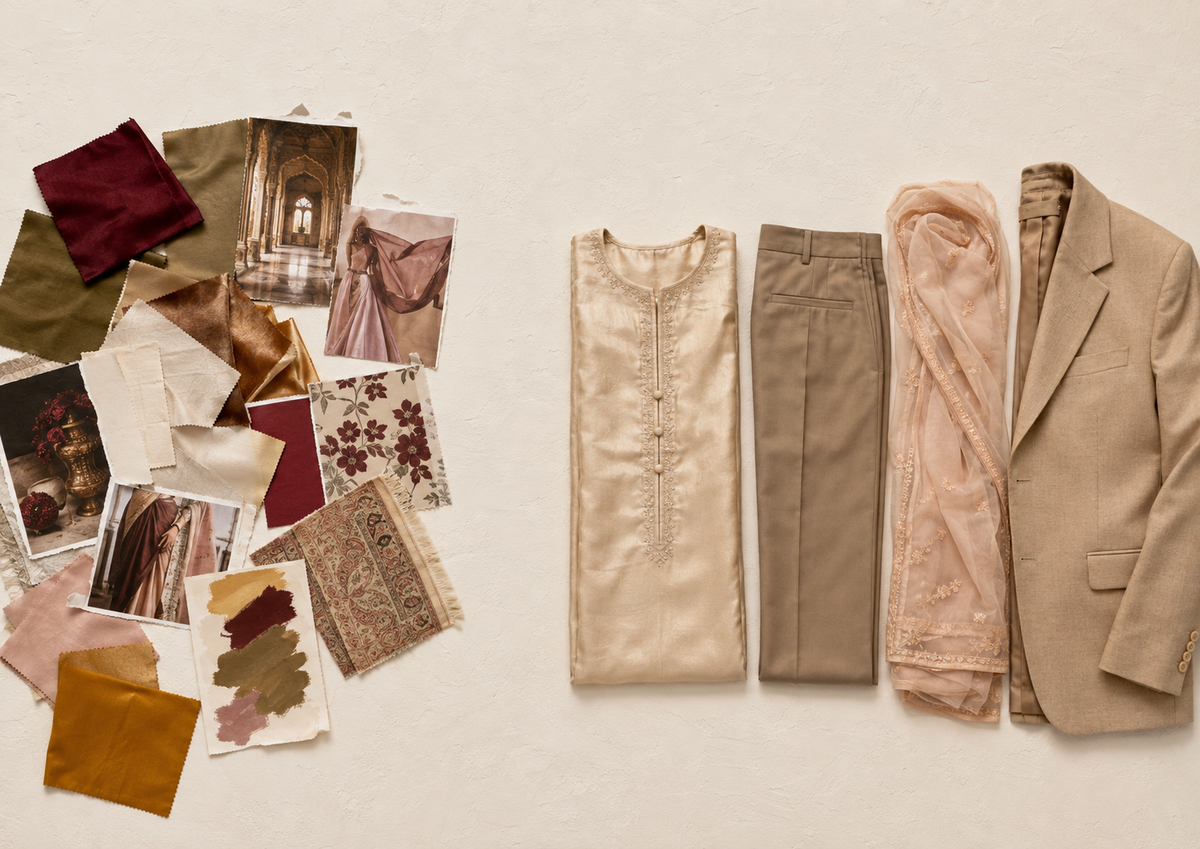
This shift maps directly onto how budget-conscious Indian consumers already think. Before spending on a new kurta or a fusion outfit, most Indian users want to know whether what's already in their wardrobe can do the job. Wardrobe-first apps validate and support that instinct rather than working against it with constant shopping prompts.
The 2026 market has organized itself into four distinct use-case categories, with different apps leading each:
- Wardrobe digitization & analytics — cataloging, cost-per-wear, outfit history (Indyx leads)
- AI outfit generation — daily look creation, occasion planning (Klodsy leads)
- Color & body analysis — skin tone profiling, palette recommendations (Style DNA leads)
- Virtual try-on — seeing clothes on your body before committing (Klodsy leads)
No single app tops every category, which is exactly why choosing by use case matters more than choosing by overall ranking.
The market is also beginning to localize. Apps including StyleAi, StyleMate, and Bespoke AI Stylist have emerged with explicit India positioning — early evidence that global platforms aren't fully serving Indian users and that local developers see a real gap to fill. That gap is the subject of the next section.
The India-Specific Gap: What Global App Rankings Miss
That gap isn't just about missing a few saree recommendations. It reflects a structural mismatch between how global AI stylist apps are designed and how Indian users actually live in their clothes.
Four dimensions define whether an AI stylist app genuinely serves Indian users — and most global rankings ignore all of them.
1. Occasion diversity. An Indian wardrobe doesn't operate on a simple casual-to-formal spectrum. Consider the styling complexity a single user might face across one month: a silk saree with the right blouse and jewelry combination for Diwali puja, a cotton kurta styled for office-casual Monday, and an indo-western lehenga-gown fusion for a cousin's wedding reception. These aren't variations on the same problem — they're entirely different garment categories, draping conventions, and accessory logics. Generic apps that organize clothes into "tops," "bottoms," and "dresses" simply don't have the vocabulary to handle this.
2. Body and skin tone diversity. South Asian complexions span a range that most Western-trained color analysis models compress into a single "warm undertone" category. The result: color palette recommendations that miss the mark for large swaths of Indian users. This isn't a minor calibration issue — it's a training data gap that affects the core value proposition of apps like Style DNA when used without India-specific tuning.
3. Local app availability and bandwidth. Several top-ranked global AI stylist apps are either unavailable on Indian app stores or are not optimized for the variable network conditions common outside Tier-1 cities. An app that requires a fast Wi-Fi connection to upload wardrobe photos is a friction point, not a feature.
4. Budget-first mindset vs. shopping-push monetization. Many global apps generate revenue through affiliate shopping links — their business model depends on users buying more. Indian users, on average, are more likely to want wardrobe maximization before new purchases. Apps that monetize through shopping referrals are structurally misaligned with this priority.
According to data from StyleAi, StyleMate, and Bespoke AI Stylist's market positioning, India-focused developers are beginning to recognize these dimensions as distinct product requirements — not just localization tweaks. These apps are early signals, not finished solutions, but they confirm that the gap is real and commercially visible.
Use these four dimensions as your evaluative filter for every app in the section below. An app that scores well globally but fails on occasion diversity, skin tone accuracy, local availability, or monetization alignment is a worse choice for Indian users than its ranking suggests.
App-by-App Feature Breakdown: Matched to Your Job
The best AI stylist app solves your specific problem, not the one with the highest aggregate rating. Here's how each leading app performs when matched to a concrete user job.
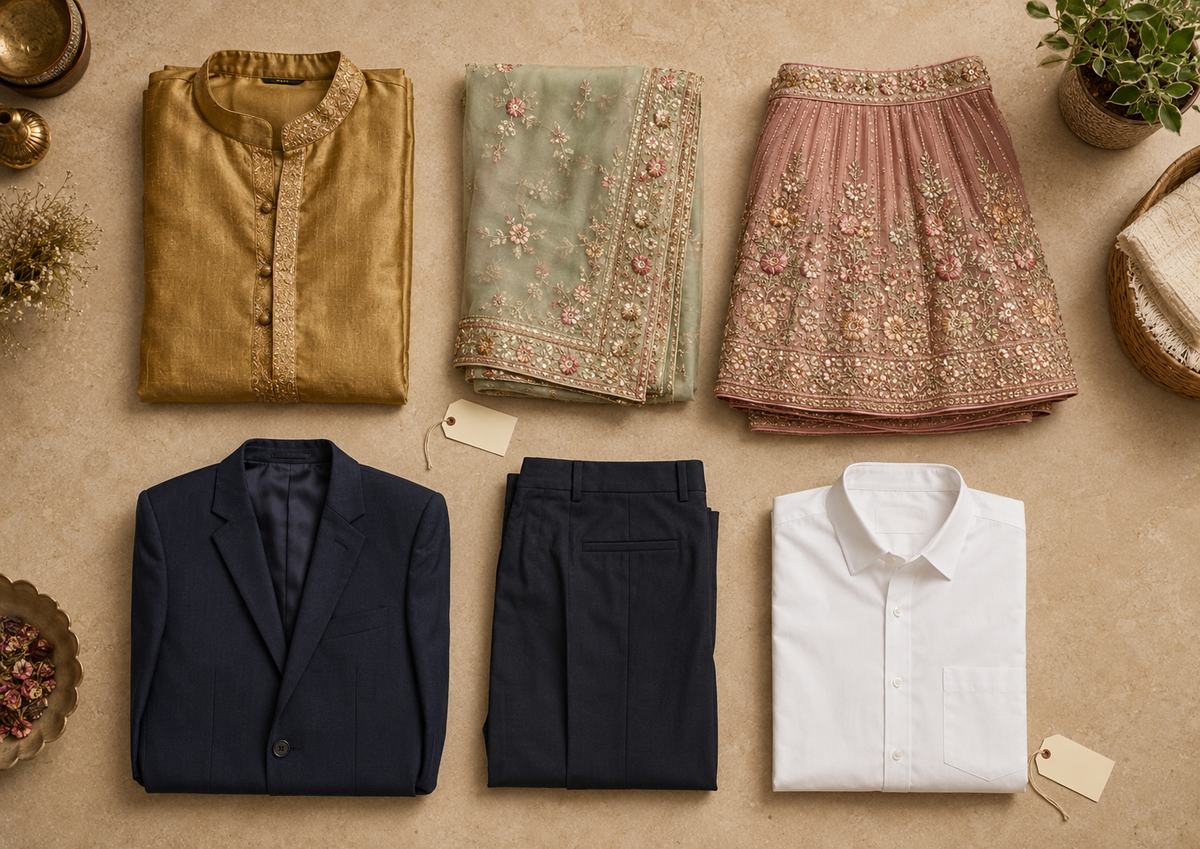
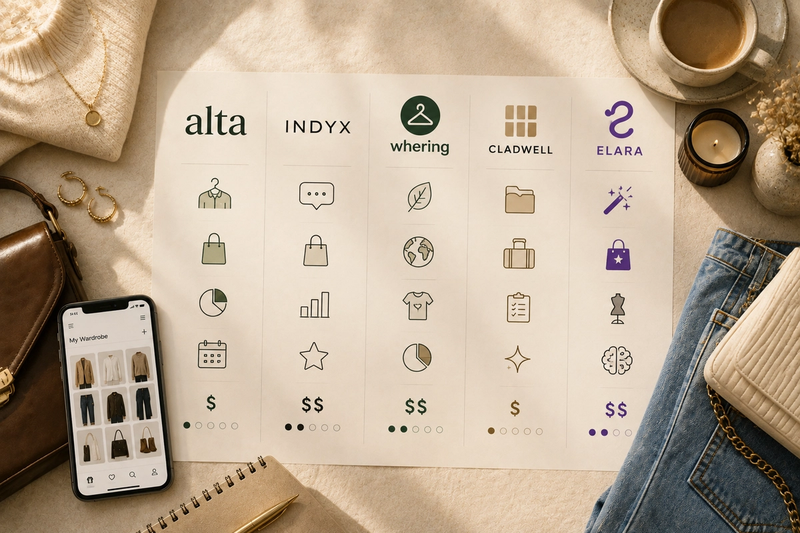
Indyx
- Best For: Wardrobe digitization and analytics
- Key Features: Detailed closet cataloging, outfit analytics, cost-per-wear tracking
- India Relevance: Strong for users with large, mixed wardrobes spanning ethnic and western categories — the analytics layer helps identify what's actually being worn versus what's collecting dust
- Limitation: Occasion-based styling recommendations are limited; the app excels at inventory intelligence, not styling advice
Klodsy
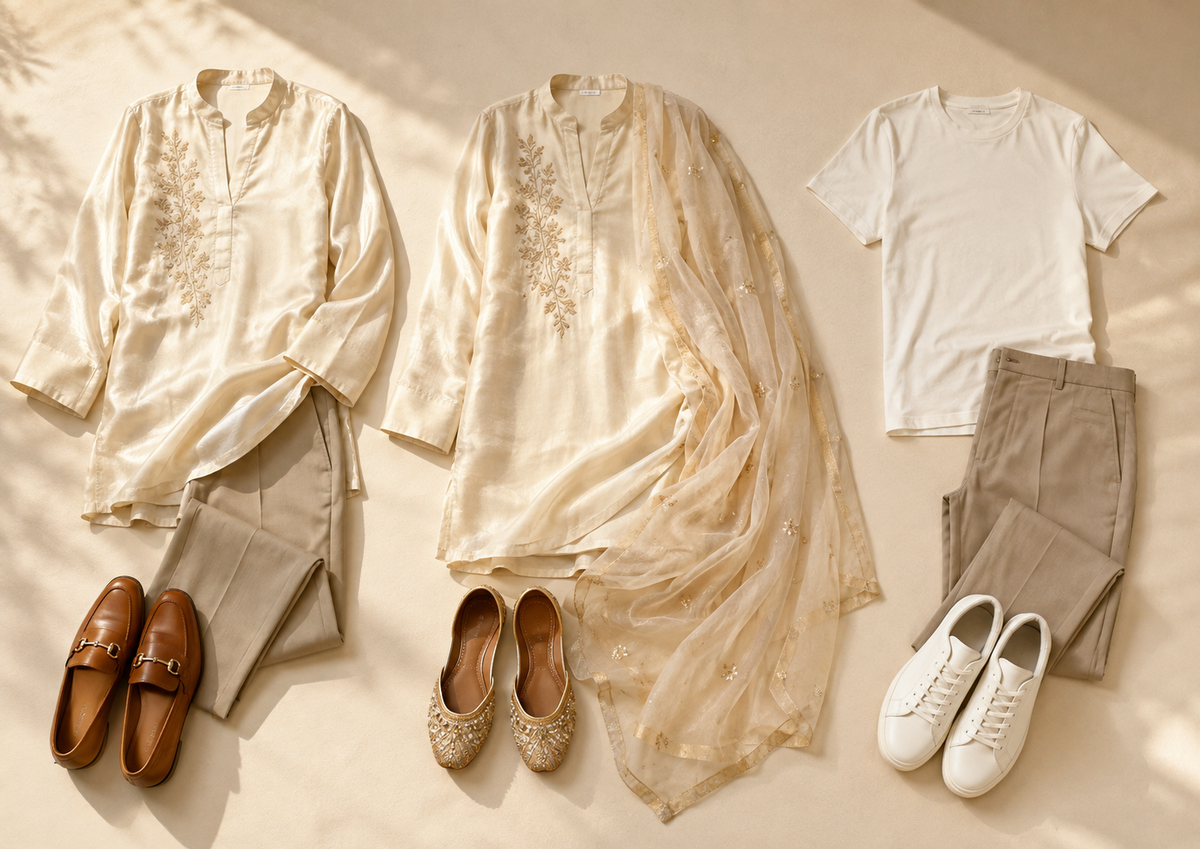
- Best For: Virtual try-on and outfit planning
- Key Features: Virtual outfit builder, daily look generation, item combination previews
- India Relevance: Useful for planning occasion-specific looks before events; ethnic wear support is limited
- Limitation: Wardrobe analytics are secondary to the outfit-planning interface
Ready to upgrade your wardrobe?
Get the Elara app for AI-powered styling and virtual try-ons.
Style DNA
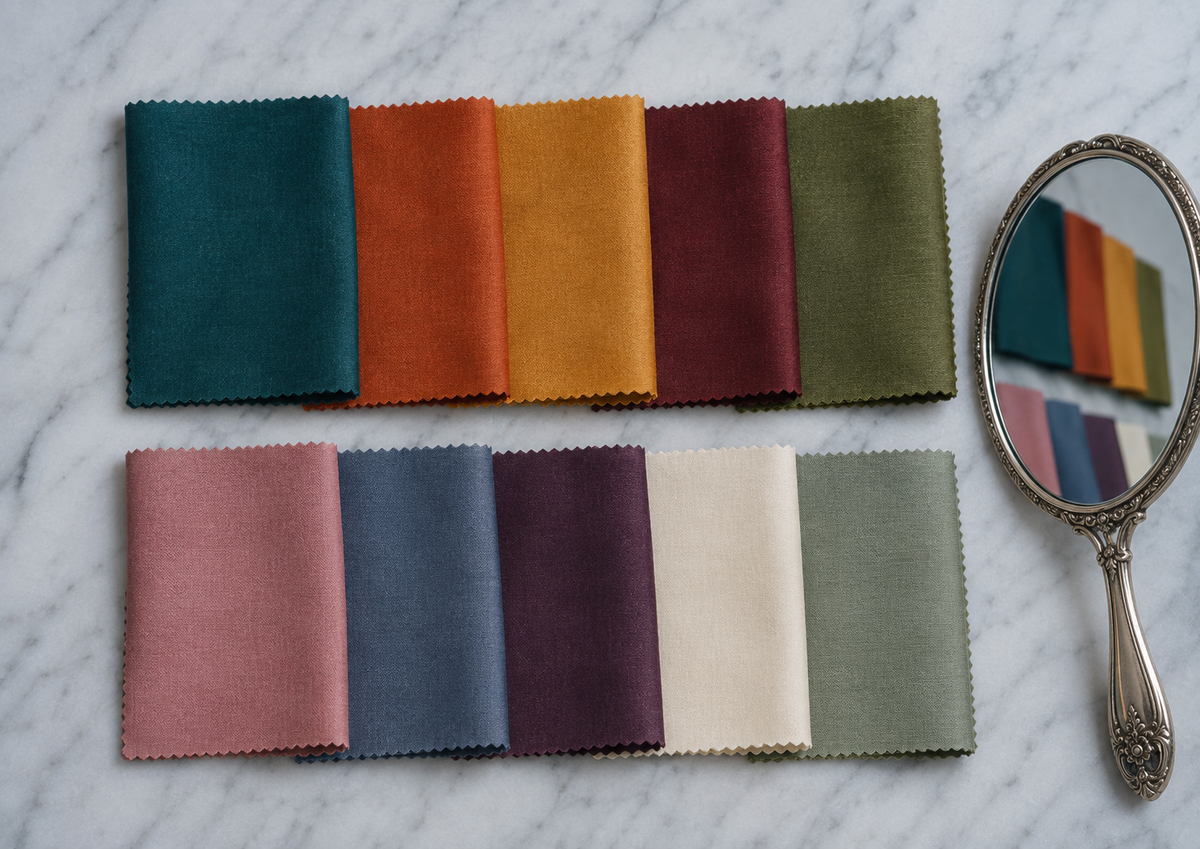
- Best For: Color and body shape analysis
- Key Features: Skin tone analysis, body shape profiling, seasonal palette recommendations
- India Relevance: High for users wanting to understand which colors work for South Asian complexions — though the training data limitation noted above applies here
- Limitation: Minimal wardrobe integration; functions more as a one-time analysis tool than an ongoing styling companion
Whering
- Best For: Sustainability and cost-per-wear tracking
- Key Features: Outfit logging, cost-per-wear calculator, wardrobe utilization reports
- India Relevance: Strong alignment with budget-conscious users who want to maximize existing wardrobe value before spending
- Limitation: Styling recommendations are basic — the app tracks behavior better than it guides it
Acloset
- Best For: Budget-friendly closet management
- Key Features: Closet organization, outfit suggestions, basic analytics
- India Relevance: Accessible entry point; Android availability makes it practical for a wider Indian user base
- Limitation: Less AI sophistication than premium options; outfit suggestions can feel formulaic
StyleAi / StyleMate / Bespoke AI Stylist
- Best For: India-specific styling needs
- Key Features: Local occasion support, Indian wardrobe category recognition (sarees, kurtas, sherwanis)
- India Relevance: Highest cultural fit among apps reviewed — built explicitly for Indian occasions and garment types
- Limitation: Newer platforms with smaller user bases and less established track records than global competitors
Elara
- Best For: Conversational wardrobe intelligence — users who want a stylist that learns them over time
- Key Features: Conversational AI that adapts to individual preferences through ongoing interaction; wardrobe digitization that covers both ethnic and western categories; occasion-aware outfit curation (office, festivals, weddings, casual); smart shopping recommendations anchored to what you already own
- India Relevance: The wardrobe-first approach directly addresses the Indian budget-conscious mindset — Elara prioritizes maximizing your existing wardrobe before nudging toward new purchases, and its conversational model can handle the occasion complexity that rigid category systems miss
- Limitation: —
Elara offers a free trial at joinelara.com — the fastest way to see whether conversational wardrobe AI fits your styling workflow.
How to Choose: A Decision Framework for Indian Users
Reading a comparison table doesn't always resolve the actual decision. Here's the framework that does — six if/then paths tied directly to the most common Indian user jobs.
No single app excels at everything, and choosing by job-to-be-done consistently produces better outcomes than choosing by overall ranking.
If your #1 problem is morning outfit decision fatigue → Start with Elara or Klodsy. Both generate daily outfit suggestions from your existing wardrobe; Elara adds conversational context so recommendations improve with use.
If your #1 problem is buying clothes that don't match what you own → Elara or Indyx. Indyx gives you the analytics to see the gap; Elara gives you the AI layer to shop around it.
If your #1 problem is understanding your colors and body shape → Style DNA is the clearest starting point, with the caveat that South Asian skin tone coverage may require manual calibration.
If your #1 problem is tracking wardrobe sustainability and spend → Whering is strong in this category.
If your #1 problem is styling for Indian occasions — weddings, Diwali, Eid, office formals → StyleAi, StyleMate, or Elara. The India-focused apps offer native occasion vocabulary; Elara handles this through conversational context.
If your #1 problem is getting started with zero budget → Acloset is the lowest-friction entry point.
Before downloading any app, run through this quick checklist:
- Wardrobe photo quality — can the app handle standard smartphone photos, or does it require studio-quality images?
- Android/iOS India availability — confirm the app is live on your region's store, not just the US store
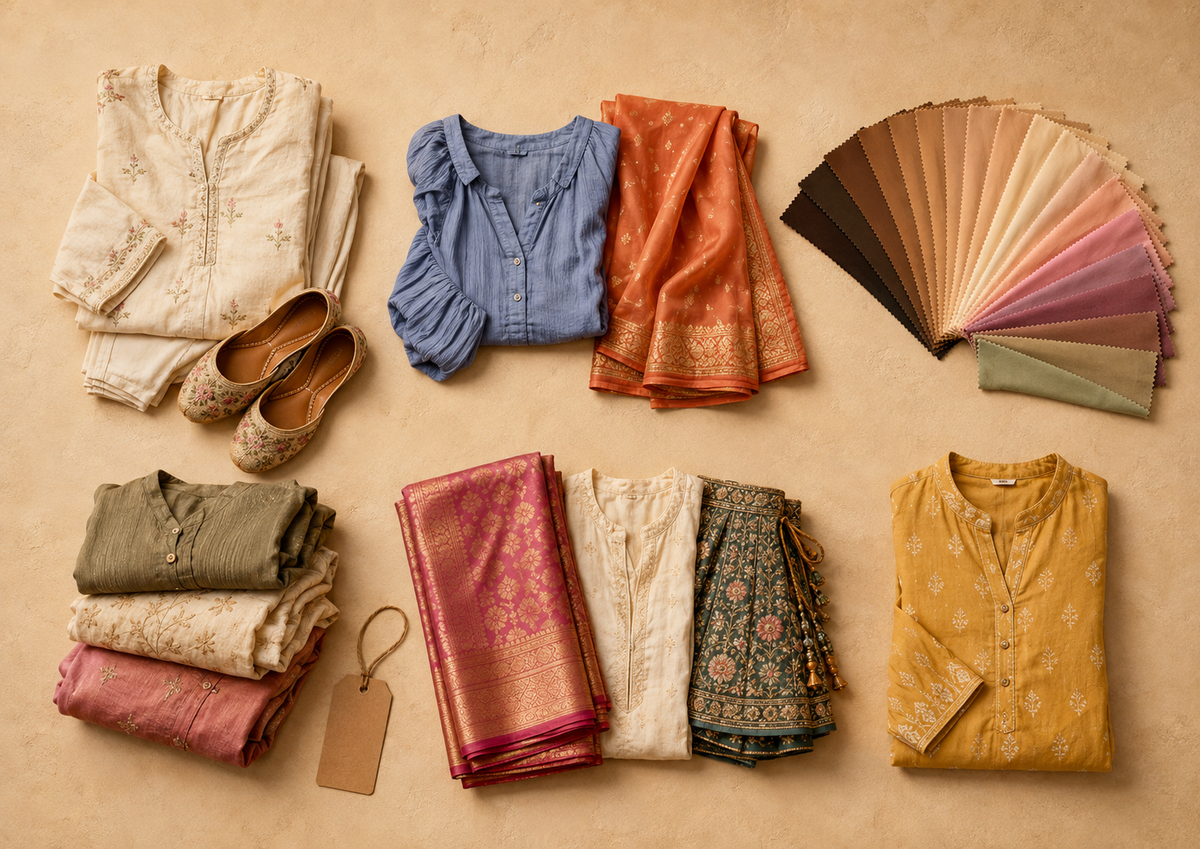
- Ethnic wear category support — does the app recognize sarees, kurtas, lehengas, and sherwanis as distinct categories?
- Monetization model — subscription-based apps are structurally more aligned with your interests than shopping-referral models
If you want wardrobe-first AI styling that learns your taste over time, Elara offers a free trial at joinelara.com.
Frequently Asked Questions
What's the difference between a wardrobe-first app and an outfit-inspiration app? Wardrobe-first apps start by analyzing what you already own, then build outfit suggestions and shopping recommendations from that inventory. Outfit-inspiration apps pull looks from external sources — Pinterest, Instagram, brand catalogs — and show you aspirational combinations. For Indian users managing tight budgets, wardrobe-first apps are more practical because they help you maximize what you have before suggesting new purchases.
Do I need to photograph my entire closet to use these apps? Most apps require some closet digitization to work effectively, but you don't need to do it all at once. Start with 10-15 pieces you wear regularly, and add more over time. Apps like Elara and Acloset are designed to work with partial wardrobes; you'll see value even before your full closet is uploaded. Whering and Indyx reward more complete cataloging with better analytics.
Which app is best for styling Indian ethnic wear? StyleAi, StyleMate, and Bespoke AI Stylist are explicitly built for Indian occasions and garment types, so they understand sarees, kurtas, lehengas, and sherwanis as distinct categories. Elara also handles ethnic wear well through its conversational model, which can adapt to occasion-specific styling needs. Global apps like Klodsy and Indyx treat ethnic wear as "special occasion" items rather than core wardrobe categories, which limits their usefulness for Indian users.
Can these apps help me spend less on clothes? Yes, but only if you choose the right one for that job. Apps like Whering and Indyx show you cost-per-wear and outfit frequency, which helps you see what's actually earning its place in your wardrobe. Elara prioritizes outfit generation from existing pieces before suggesting new purchases. Apps that monetize through shopping links (like some versions of Klodsy) are structurally incentivized to push new purchases, so they're less useful for a spend-reduction goal.
Is a free app enough, or do I need to pay? Free versions of most apps give you core functionality — closet organization, basic outfit suggestions, analytics. Paid versions typically unlock advanced features like detailed color analysis, virtual try-on, or unlimited occasion planning. For Indian users just starting out, free versions of Acloset, Klodsy, and Whering are solid entry points. If you want conversational AI that improves over time, Elara's free trial lets you test the experience before committing.
How long does it take to see results from an AI stylist app? Most users report useful outfit suggestions within 1-2 weeks of uploading 15-20 pieces. Conversational apps like Elara improve faster because they learn your preferences through interaction, not just from wardrobe photos. Analytics-focused apps like Indyx and Whering show value immediately — you'll see cost-per-wear and outfit frequency data within days. Color analysis apps like Style DNA deliver results instantly, though accuracy depends on how well the app handles your skin tone.
Conclusion: Your Wardrobe, Your AI Stylist
The checklist above distills what months of app testing and market research confirm: the best AI stylist app for Indian users in 2026 is the one built for your specific job, and that job is increasingly wardrobe-first. Outfit inspiration feeds are easy to find. An AI that actually knows what's hanging in your closet — and what to do with it — is something else entirely.
The timing has never been better to make that shift. The AI-based personalized stylist market is growing at a 36.5% CAGR, on a trajectory from USD 171.89 million in 2025 to USD 3.82 billion by 2035. Adoption is following the same curve: 47 million people used AI fashion apps in 2025, with projections exceeding 85 million by the end of 2026. These tools have moved past the novelty stage — they work.
Indian users are entering this market with a distinct advantage. You have access to global platforms refined over years of iteration, plus a growing wave of local apps built specifically for Indian occasions, wardrobes, and aesthetics. The decision framework in this guide gives you a clear lens to evaluate both.
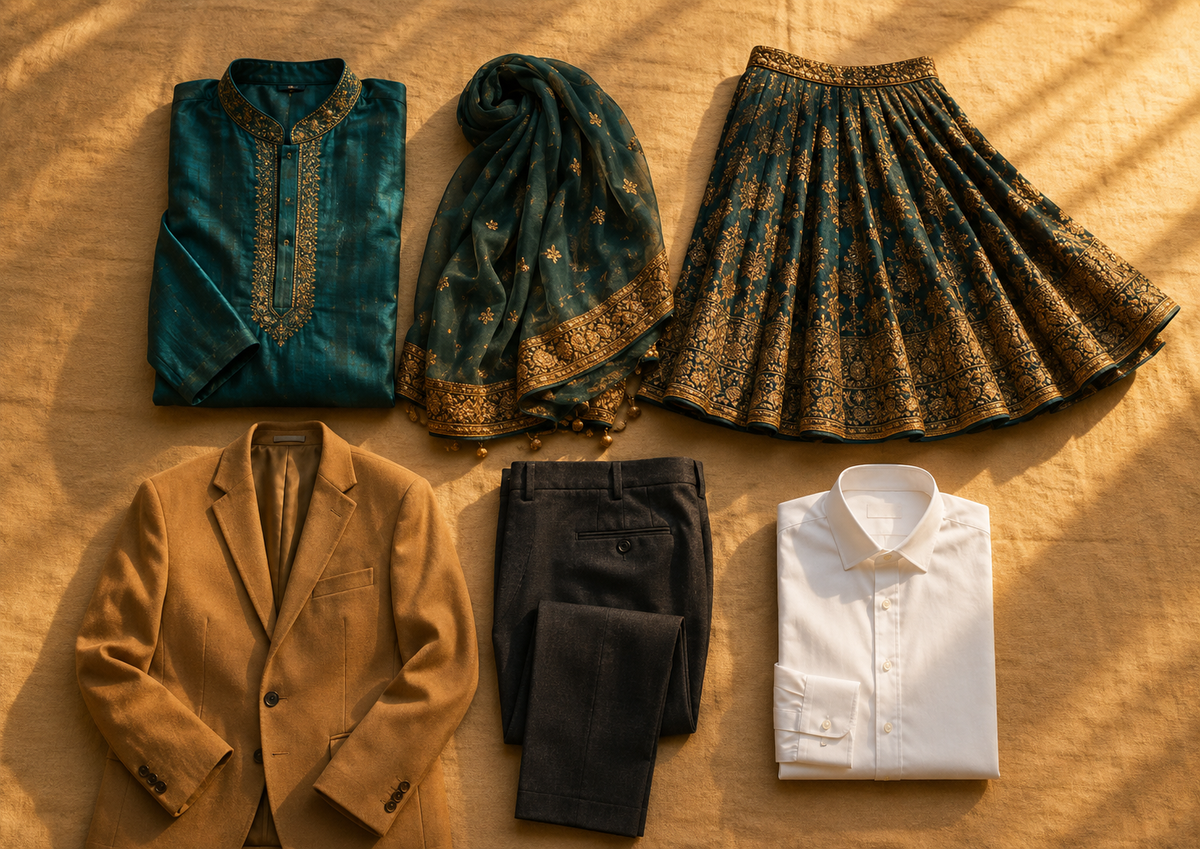
Elara is built for users who want a stylist that actually knows them — their kurtas alongside their blazers, their Diwali looks alongside their Monday meetings, their taste as it evolves. Your wardrobe already has more to offer than you think. Let AI help you see it. Start your free trial at joinelara.com.
Your AI Stylist is Here.
live on the App Store & Google Play
Available on iOS and Android for seamless access anytime, anywhere.