AI Personal Stylist for Men: Your Wardrobe Gets Smarter
AI personal stylist apps transform how men dress by building outfits from what you own. Learn why 85M+ users adopted AI styling in 2026 and how wardrobe-first tools work.

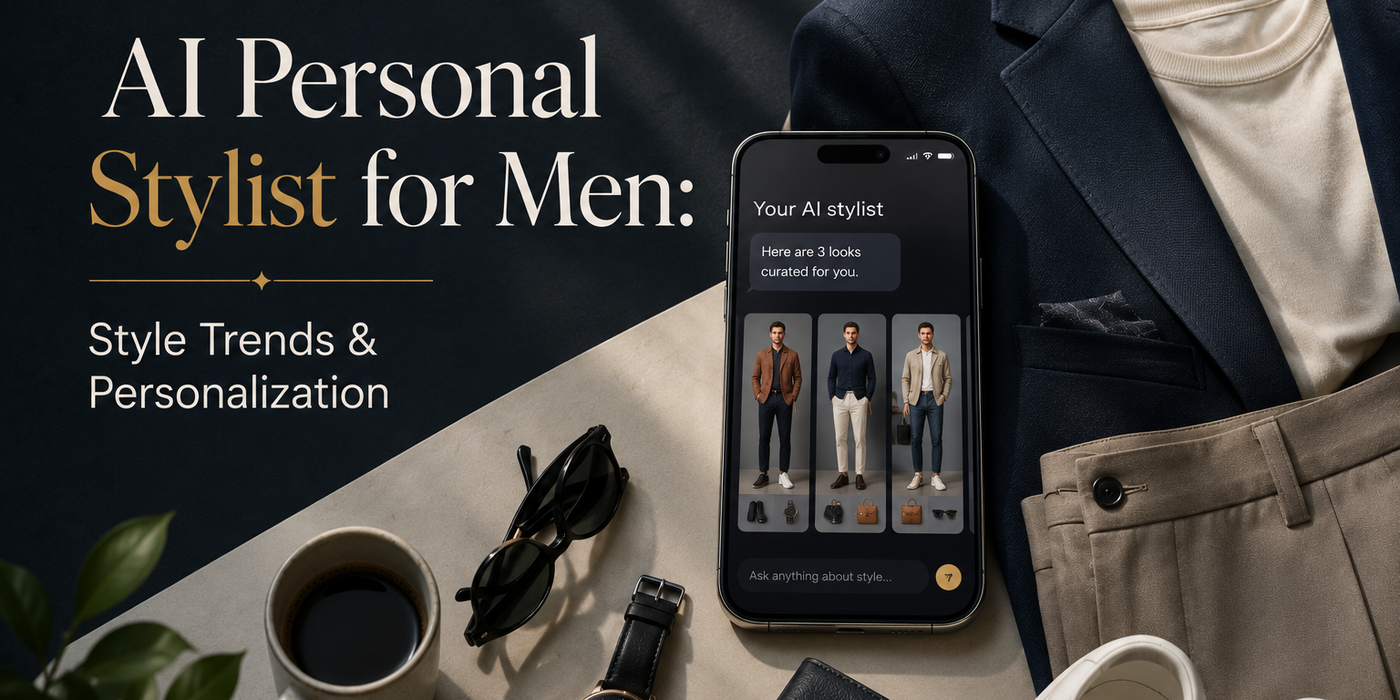
AI Personal Stylist for Men: Style Trends & Personalization
Table of Contents
- Introduction: The Personal Stylist You Never Had Access To
- Why AI Personal Styling Is Having Its Infrastructure Moment
- From Rule-Based Engines to Multimodal Personalization: The Technology Shift That Changes Everything
- AI Personal Stylist for Men: Style Trends Shaping 2026
- How to Choose the Best AI Stylist App: What Actually Matters
- What Elara Does Differently: The Wardrobe-First AI Stylist
- FAQ: Common Questions About AI Personal Stylists
- Conclusion: The Future of Getting Dressed
Key Takeaways
- The AI personal stylist market is projected to grow from $2.05B in 2026 to $7.92B by 2034 at a 20.1% CAGR — this is retail infrastructure, not a trend.
- AI fashion app users are on track to nearly double from 47M in 2025 to 85M+ by end of 2026.
- Multimodal AI outfit suggestions earn 71% satisfaction ratings vs. 38% for legacy engines (Stanford HAI).
- The defining shift in modern AI styling is wardrobe-first personalization — building looks from what you own before recommending what to buy.
- Elara is an AI personal stylist built on this wardrobe-first philosophy, designed to learn your style and make getting dressed effortless.
Introduction: The Personal Stylist You Never Had Access To
Most men wear roughly 20% of their wardrobe 80% of the time. The rest hangs there — pieces bought on impulse, items that never quite worked with anything else, good intentions that never became outfits. Meanwhile, fashion content multiplies faster than anyone can process it: trend reports, influencer fits, algorithm-fed inspiration that rarely maps to real life, a real body, or a real closet.
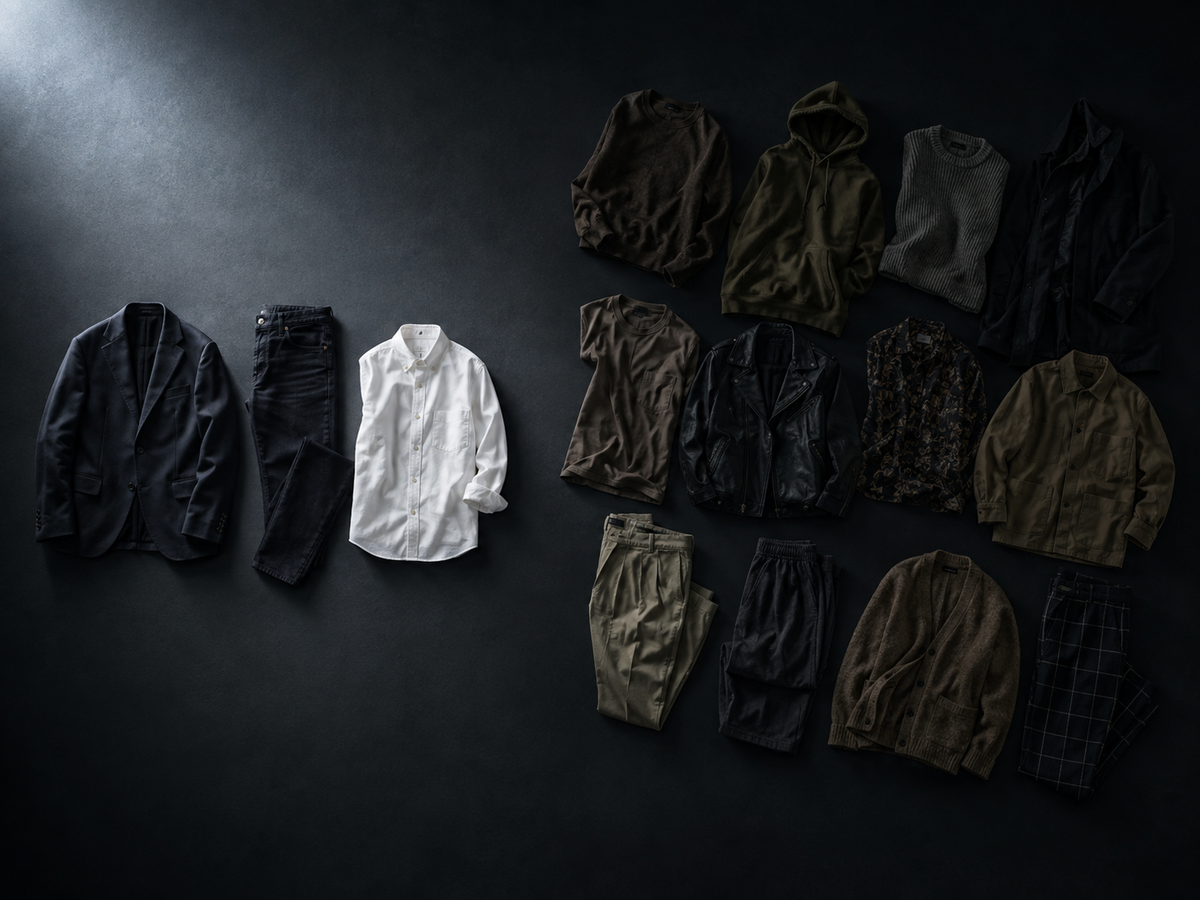
This is the problem an AI personal stylist solves. The market is moving fast. According to Klodsy, 47 million people used AI-powered fashion apps in 2025 — a number projected to surpass 85 million by the end of 2026. That kind of adoption doesn't happen because a technology is interesting. It happens because it works.
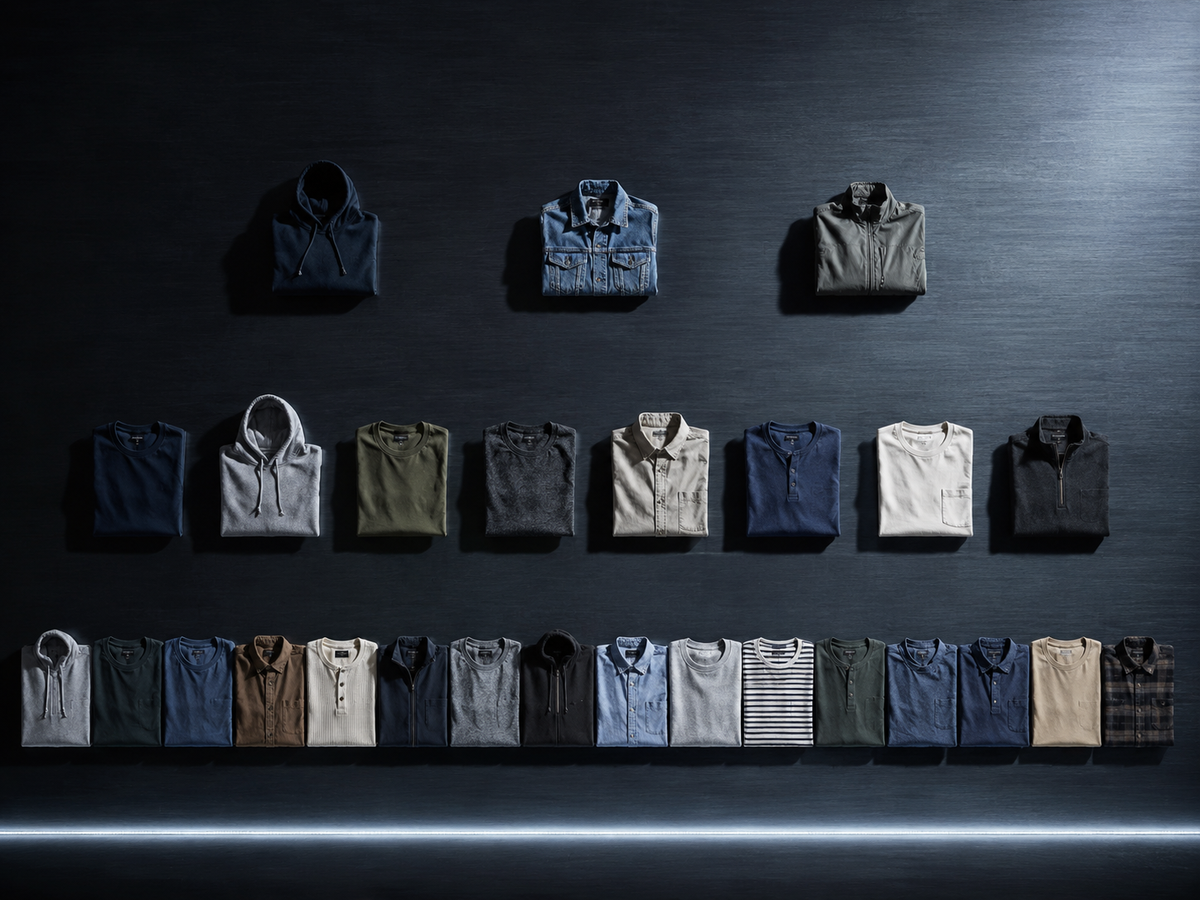
This article explains why the AI personal styling category is undergoing a fundamental transformation, what that shift means practically for men who want to dress better without the mental load, and how to identify tools worth your time. Elara — an AI stylist built on a wardrobe-first approach — appears throughout as one example of where this category is heading.
Why AI Personal Styling Is Having Its Infrastructure Moment
AI personal styling has crossed a threshold. It's no longer a novelty feature tucked inside a shopping app — it's becoming core retail infrastructure, backed by enterprise capital and measurable business outcomes.
The market data tells a consistent story, even when the numbers vary by segment definition. According to Intel Market Research, the broader AI personal stylist market sits at approximately $2.05 billion in 2026, projected to reach $7.92 billion by 2034 at a 20.1% compound annual growth rate. A narrower segment estimate from InsightAce Analytic puts the AI-based personalized stylist market at $171.89 million in 2025, growing to $3.82 billion by 2035 at a 36.5% CAGR. The wide gap between those figures reflects different definitions of what counts as "AI personal styling" — one captures the full ecosystem including platform infrastructure, the other isolates direct-to-consumer styling services. What both agree on is the direction: rapid, sustained growth across every way you slice the category.
AI adoption among fashion and apparel companies jumped from 20% to 44% in just the first half of 2026.
That acceleration isn't consumer-led alone. According to research cited by Elara, AI adoption among fashion and apparel companies rose from 20% to 44% in the first half of 2026. More than 60% of leading providers have already integrated generative AI into customer-facing styling workflows. This is a supply-side infrastructure shift — brands building AI personalization into their core operations, not experimenting at the margins.
The financial incentive is straightforward. Retailers using next-generation AI personalization see 30% to 50% conversion-rate improvements over traditional rule-based systems, according to McKinsey. When AI-driven recommendations produce that kind of lift, the business case for continued investment is self-reinforcing.
For everyday users, this enterprise investment has a direct benefit: as brands pour resources into AI personalization infrastructure, the quality and accessibility of consumer-facing styling tools improves rapidly. The sophistication that once required a $200-per-hour human stylist is becoming embedded in apps that fit in your pocket. That's the infrastructure moment — and it's already underway.
From Rule-Based Engines to Multimodal Personalization: The Technology Shift That Changes Everything
That infrastructure investment translates directly into better technology — and understanding the shift explains why AI styling tools in 2026 feel qualitatively different from anything available even two years ago.
Legacy recommendation engines operated on a narrow data diet: your purchase history, combined with collaborative filtering ("customers like you also bought..."). The result was context-blind suggestions that ignored what you already owned, what the weather was doing, where you were going, or how your body actually fit the clothes being recommended. The system didn't know you. It knew a statistical proxy for you.
Modern multimodal AI personal stylist apps work from a fundamentally different starting point. They combine wardrobe photos, body context, occasion, real-time weather, and stated style preferences to generate outfit suggestions that are actually relevant to your life on a specific day. The performance gap is striking: according to Stanford HAI, multimodal outfit suggestions were rated "good" or "very good" 71% of the time, compared with just 38% for legacy collaborative-filter engines — nearly double the satisfaction rate.
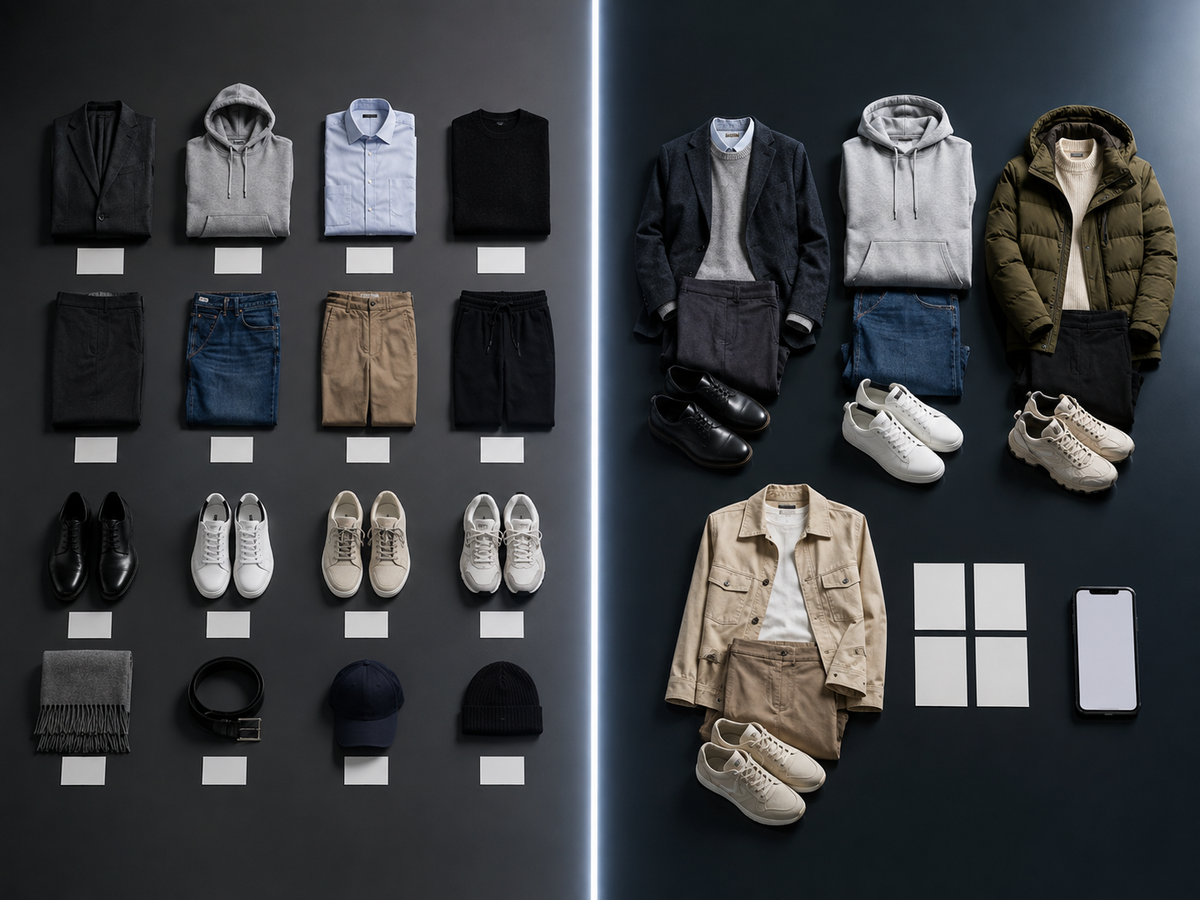
Three shifts define AI styling in 2026:
- Wardrobe-first experiences: Recommendations draw from what you already own before suggesting anything new. This is now the market expectation, not a differentiator.
- Proactive styling suggestions: The AI surfaces outfit plans before you ask, pulling from calendar context, weather forecasts, and upcoming occasions — it acts, rather than waits.
- Conversational interfaces: Chat-based styling replaces browse-and-filter UX, letting users describe needs in plain language and receive specific, actionable suggestions.
The market has validated the wardrobe-first approach decisively. AI wardrobe management apps now serve 45 million active users globally, up from just 12 million in 2023 — a nearly fourfold increase in three years that reflects genuine behavioral change, not hype.
Ready to upgrade your wardrobe?
Get the Elara app for AI-powered styling and virtual try-ons.
AI Personal Stylist for Men: Style Trends Shaping 2026
Generic fashion advice has always failed men in the same predictable ways: it ignores body type, treats all occasions as interchangeable, and assumes a wardrobe that doesn't exist. A recommendation to "try relaxed tailoring" means nothing if you don't know which pieces in your current closet qualify, or how to combine them for a Monday client meeting versus a Saturday dinner. AI changes this by making personalization specific enough to be actually useful.
Four 2026 men's style trends are where AI personal stylists earn their keep:
- Relaxed tailoring and softer silhouettes: Structured pieces with intentional ease — blazers with more drape, trousers with a wider leg. AI identifies which existing items fit this direction and how to combine them without looking unfinished.
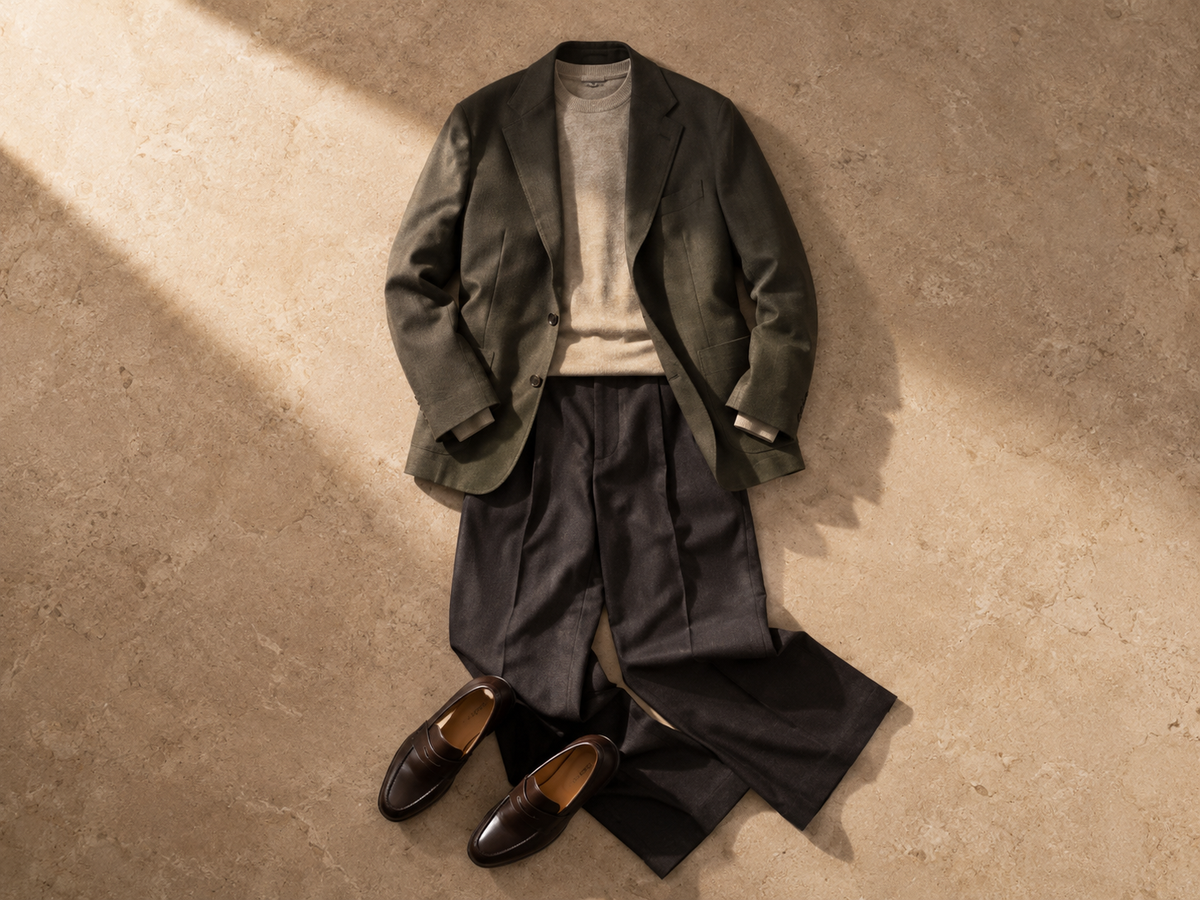
- Tonal layering and utility: Building monochromatic or near-tonal looks from what you already own is precisely the kind of wardrobe-first problem AI solves well — it sees your whole closet, not just today's impulse.
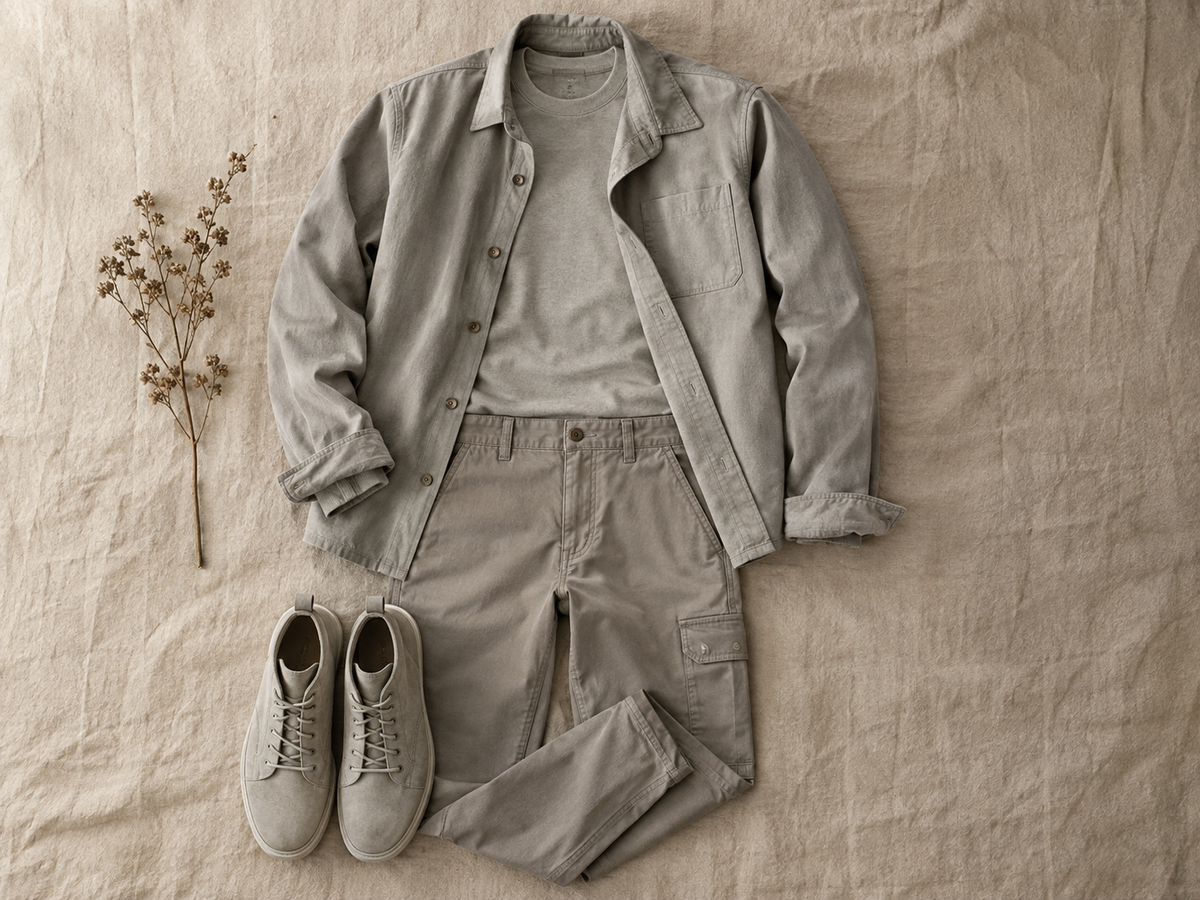
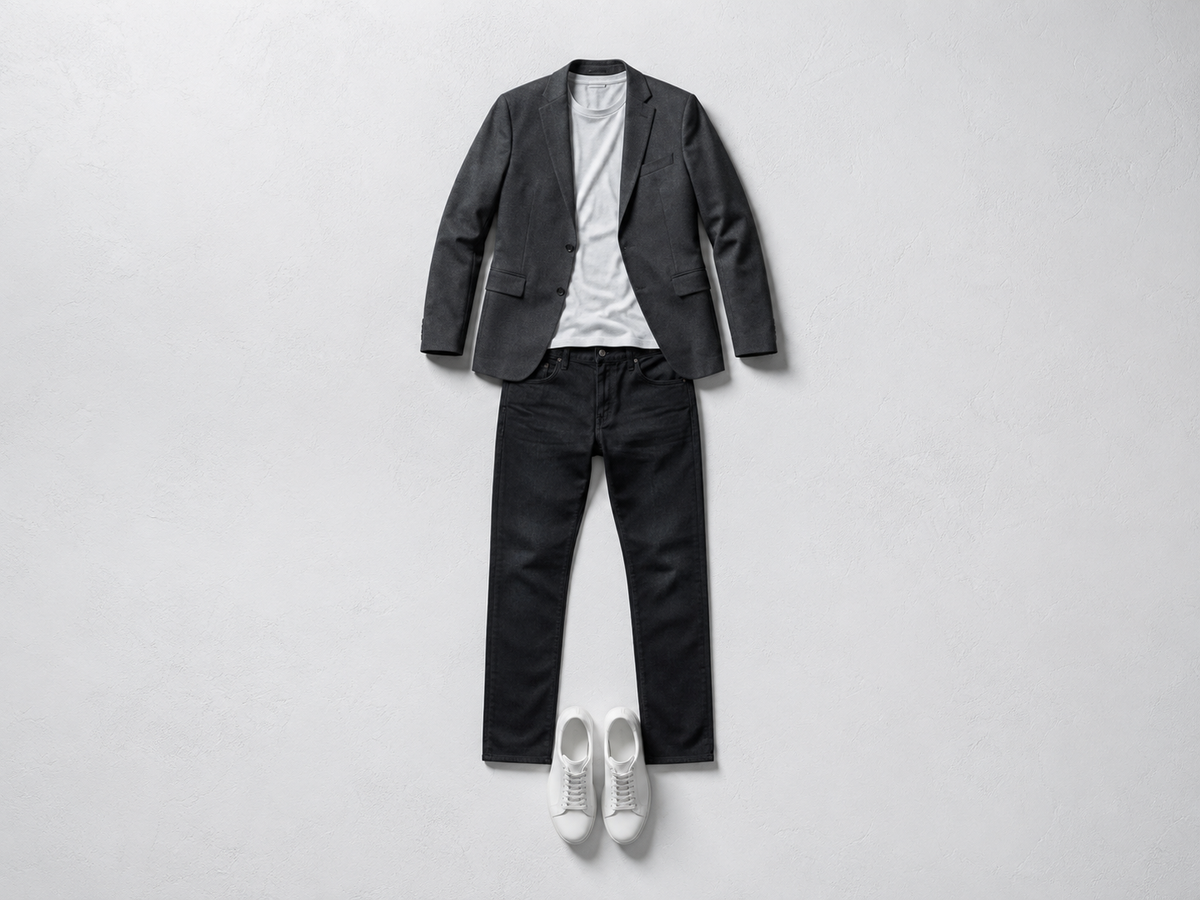
- Digitally influenced minimalism: Fewer, more intentional pieces with clean lines and restrained palettes. AI wardrobe gap analysis can identify what's missing and what's redundant, making this aesthetic achievable without a full wardrobe overhaul.
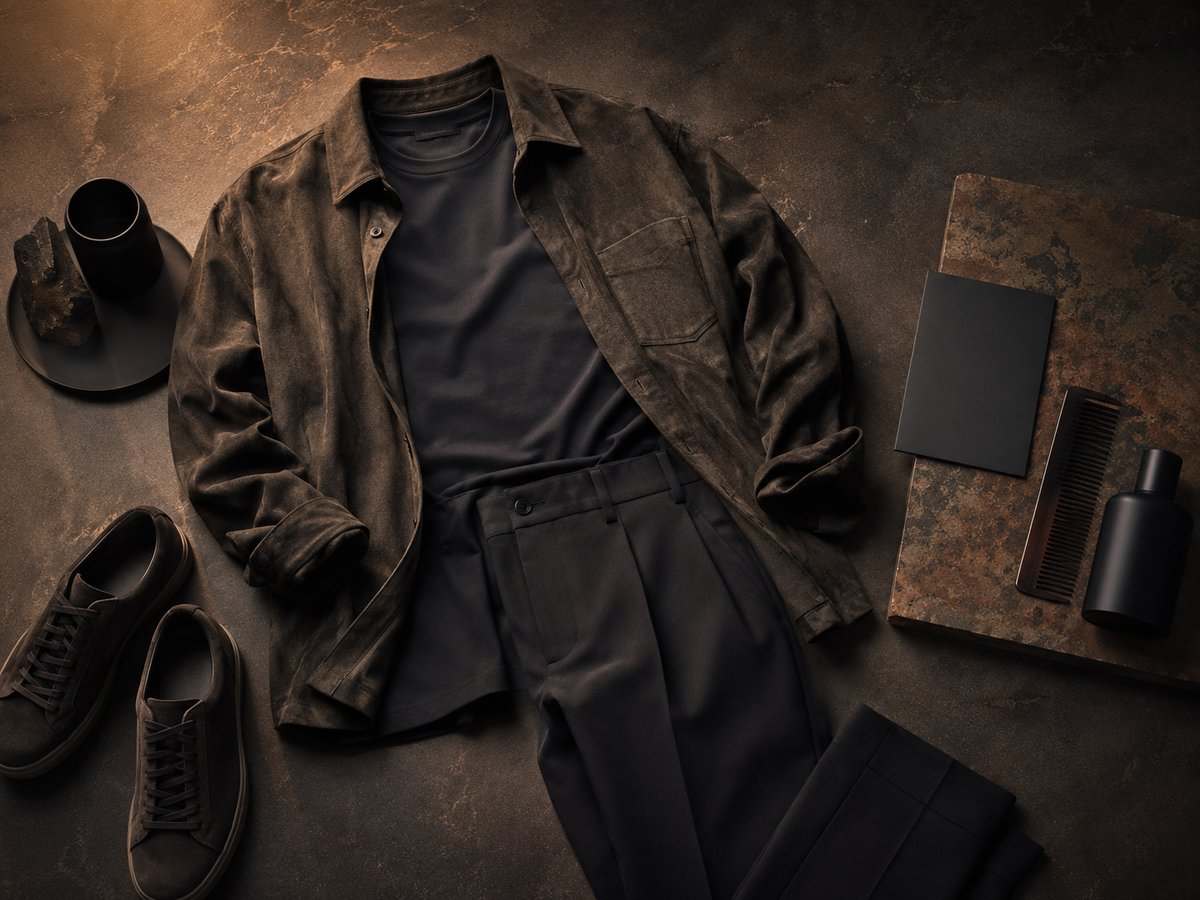
- Refined grooming integration: 2026 men's style extends beyond clothing — fades, textured crops, mid-length natural texture, and styled-but-effortless finishes are part of the full picture. Leading AI styling tools are beginning to incorporate grooming guidance alongside outfit recommendations.
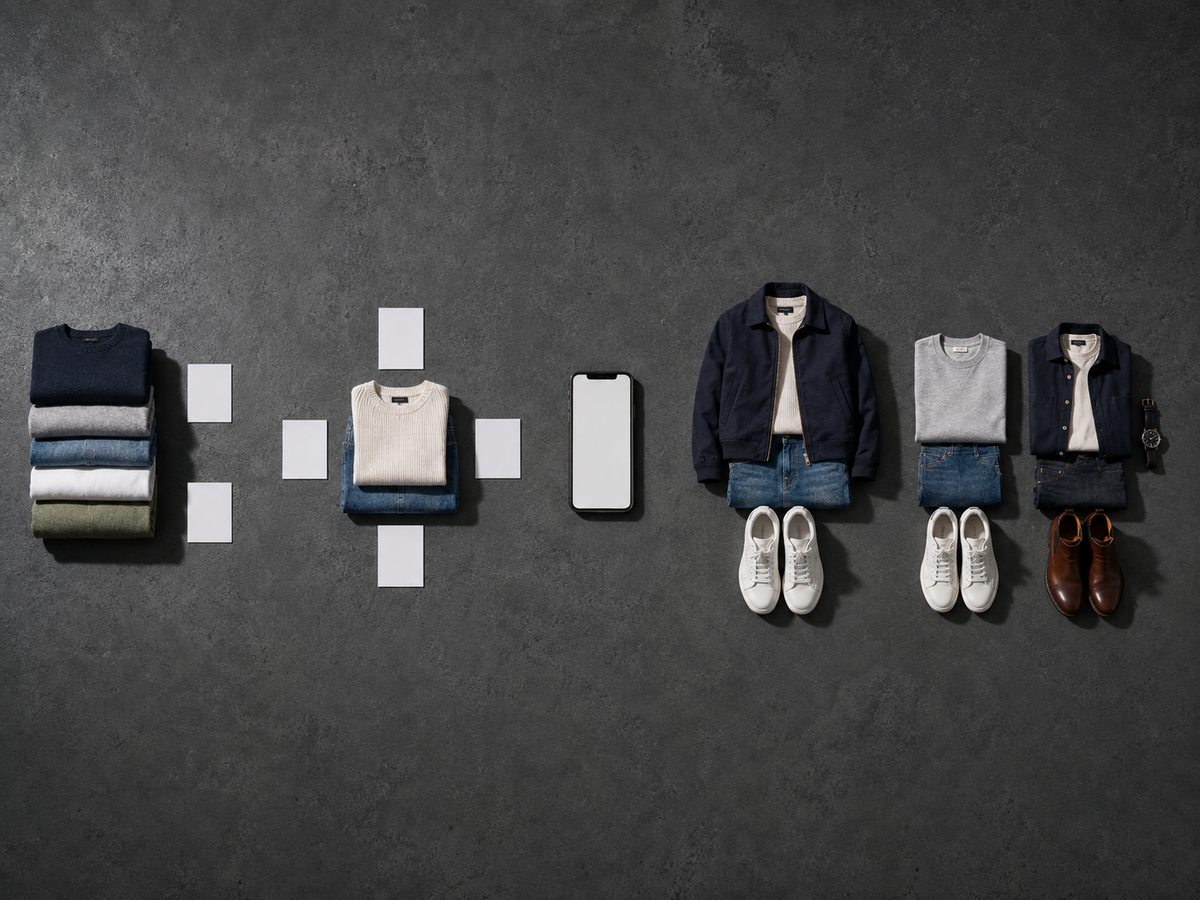
The decision fatigue reduction matters as much as the trend guidance. AI styling for men means weekly outfit plans built around your actual schedule — weather-aware, occasion-specific, and drawn from your existing wardrobe before suggesting anything new. A client meeting on Tuesday and a casual Saturday look require entirely different outputs; an AI personal stylist handles both without requiring you to think through the logic each time.
The scale of investment behind this is significant. According to McKinsey, generative AI could contribute up to $275 billion in operating profits to apparel and luxury by 2030 — a figure that signals men's fashion is a serious strategic priority for AI development, not a secondary use case.
How to Choose the Best AI Stylist App: What Actually Matters
The online personal styling services market is estimated at $5.8 billion in 2025 and projected to reach $18.9 billion by 2035. A market that size supports a wide range of approaches — which means the question isn't "does a good AI stylist app exist?" but "which one is right for how I actually dress and live?"
Evaluate any AI stylist app against five criteria before committing:
- Wardrobe-first vs. shopping-first orientation: Does the app build outfits from what you already own, or does it primarily surface new purchases? Wardrobe-first is the 2026 standard — validated by the 45 million active users now using AI wardrobe management tools globally. An app that leads with your existing closet is solving a different, more useful problem than one that leads with a product catalog.
- Multimodal personalization depth: Does the app incorporate body context, occasion, weather, and stated preferences — or does it rely primarily on purchase history? According to Stanford HAI, multimodal approaches achieve 71% satisfaction versus 38% for legacy engines. That gap is the difference between advice that fits your life and advice that fits a demographic average.
- Conversational interface quality: Can you describe what you need in plain language — "I have a rooftop event Friday, it'll be warm, I want to look put-together but not overdressed" — and receive a specific, useful response? Chat-based styling is now the standard; older browse-and-filter interfaces feel clunky by comparison.
- Free tier availability: Many leading apps offer meaningful functionality before requiring payment. Look for tools where the free experience delivers real value — not a locked demo. If an app can't demonstrate its core capability without a subscription, that's informative.
- Learning and improvement over time: Does the app's output improve as it learns your preferences, or does it give the same generic suggestions after 30 days of use? A genuine AI personal stylist should get sharper with use, not plateau.
In the competitive landscape, some tools are primarily shopping-focused recommendation engines. Elara represents the wardrobe-first end of the spectrum: conversational, designed to work with what you already own before suggesting what to add. Neither approach is inherently wrong, but knowing which problem you're trying to solve — outfit building or product discovery — determines which tool fits your needs.
What Elara Does Differently: The Wardrobe-First AI Stylist
That distinction — outfit building versus product discovery — is exactly where Elara positions itself. As AI personal styling becomes mainstream infrastructure, the differentiator is no longer "does it use AI?" but whether it actually knows you.
The problem Elara addresses is familiar. You open your closet and feel stuck despite owning plenty of clothes — because no system connects those pieces to your life, your occasions, or your preferences. Elara's conversational AI digitizes your existing wardrobe, learns what you like and why, and generates complete outfits from what you already own. Shopping recommendations surface only when there's a genuine gap, not as the default output. And unlike tools that reset with each session, Elara's personalization improves over time — the more you use it, the sharper it gets.
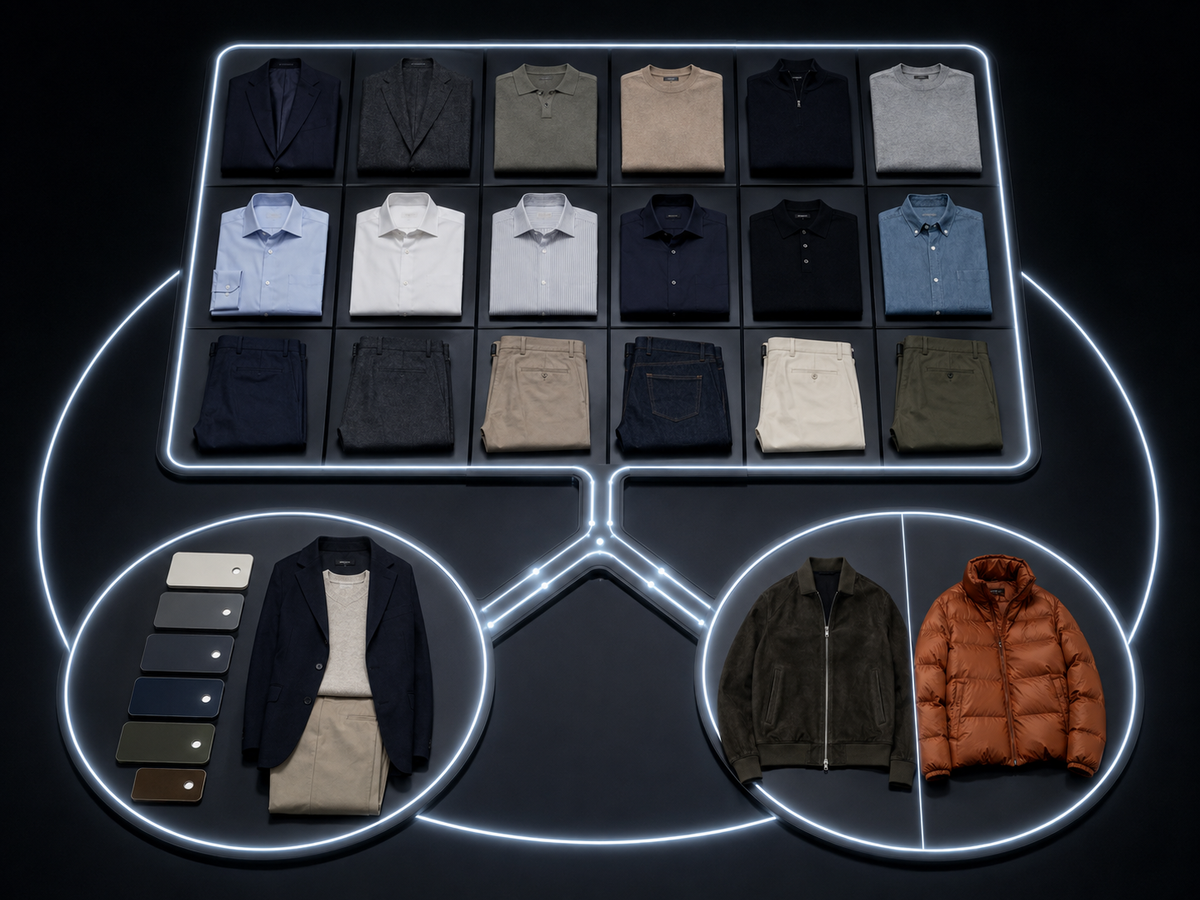
Compared to alternatives: Klodsy focuses primarily on social-style discovery; Acloset offers solid wardrobe cataloging but lighter conversational depth; Indyx leans toward high-touch curation with a human-assisted model; Whering emphasizes sustainability tracking. Elara's differentiator is the combination of conversational intelligence, wardrobe-first logic, and a system that genuinely learns your preferences across sessions rather than treating each interaction as a fresh start.
If that approach resonates, exploring Elara is a natural next step — no pressure, just a better way to get dressed at joinelara.com.
FAQ: Common Questions About AI Personal Stylists
What exactly is an AI personal stylist, and how does it differ from a regular fashion app?
An AI personal stylist uses machine learning to understand your body, preferences, and existing wardrobe — then generates specific outfit suggestions tailored to your life. Unlike fashion apps that show you trends or new products, a true AI stylist works from what you already own and learns your taste over time. The difference is the same as asking a friend "what should I wear?" versus scrolling through a catalog of clothes you've never seen before.
Do I really need to upload my entire wardrobe to make this work?
Not necessarily. Most leading AI stylist apps let you start small — upload a few pieces, describe your style, and get initial suggestions. The experience improves as you add more, but you don't need a complete digital closet before seeing value. Some apps, including Elara, are designed to work with partial wardrobe data and improve over time as you build out your digital closet.
Will an AI stylist actually understand my body type and personal taste, or will it just give generic suggestions?
Multimodal AI systems — the current standard in 2026 — incorporate body context, stated preferences, occasion, and weather into their recommendations. According to Stanford HAI, these systems achieve 71% satisfaction rates compared to 38% for older, simpler engines. The difference is real. That said, the quality depends on the app. Look for tools that ask about your body, preferences, and lifestyle before generating suggestions, and that improve their output as they learn your taste over time.
Is subscribing to an AI stylist app worth the cost?
That depends on what you're paying for and what you're getting back. If the app helps you wear more of what you already own, avoid impulse purchases that don't fit your life, or reduce decision fatigue every morning, the ROI can be significant. Many leading apps offer free tiers so you can test whether the core experience delivers value before committing to a subscription.
Conclusion: The Future of Getting Dressed
For most of history, personalized style guidance required paying a human stylist — a luxury accessible to a narrow slice of the population. AI personal styling changes that equation entirely, putting the kind of thoughtful, context-aware wardrobe advice that once cost hundreds of dollars per session into an app anyone can open on their phone.
The adoption numbers confirm this isn't incremental progress. AI fashion app users are on track to grow from 47 million in 2025 to over 85 million by the end of 2026 — nearly doubling in a single year. That kind of growth signals a quality threshold being crossed, not just novelty adoption. Stanford HAI research reinforces why: multimodal AI outfit suggestions earn satisfaction ratings of 71%, compared to 38% for legacy recommendation engines. Users aren't just trying these tools — they're finding them genuinely useful.
For men specifically, 2026 is the moment to move past the default rotation of five outfits and build a wardrobe that works with intelligence behind it. The AI exists to be that connective tissue — between what you own, what suits you, and what the occasion demands.
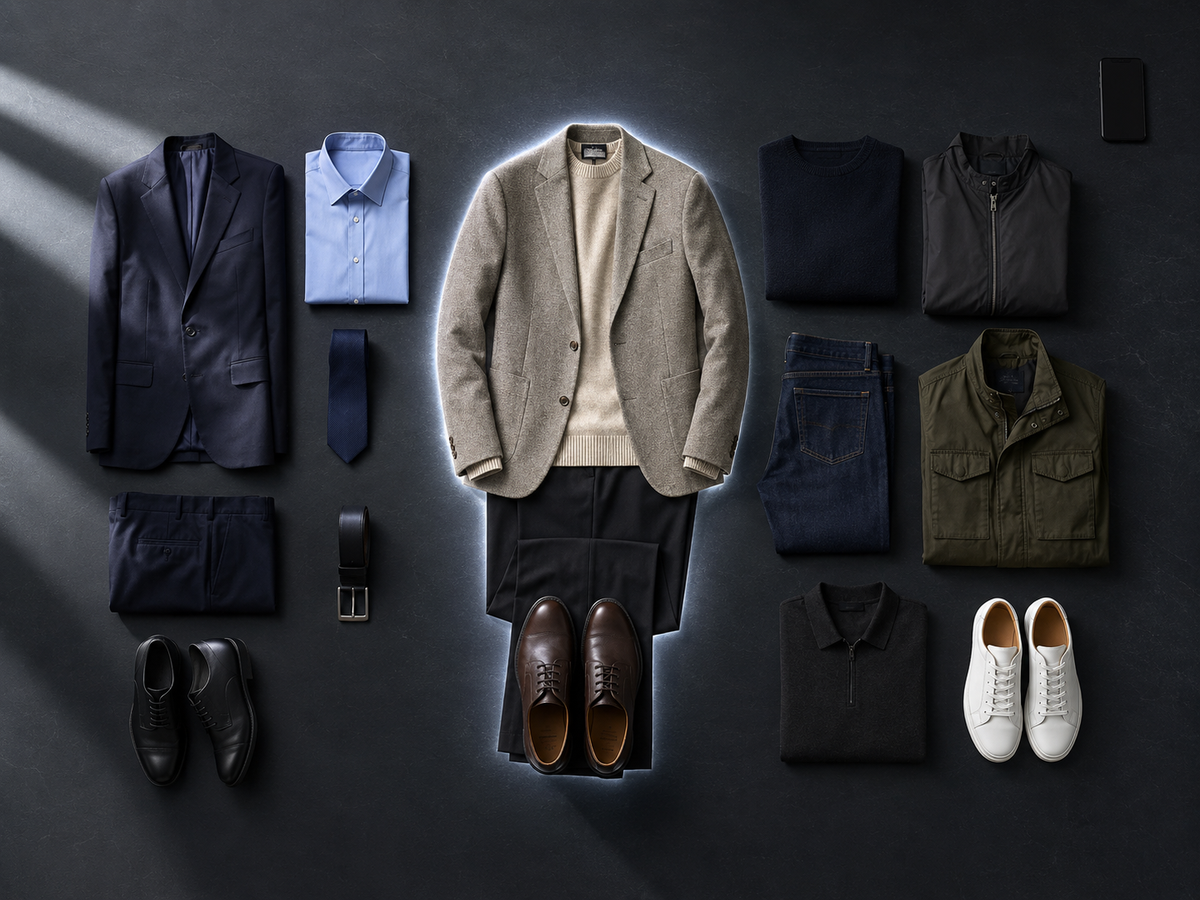
Elara is built for exactly that. Explore what it can do for your wardrobe at joinelara.com.
Your AI Stylist is Here.
live on the App Store & Google Play
Available on iOS and Android for seamless access anytime, anywhere.