


Stitch Fix Alternatives 2026: Box vs AI vs Rental
Explore top Stitch Fix alternatives across three models: premium boxes (Wantable, Dailylook), AI wardrobe apps (Elara, Indyx), and rentals. Find the cheapest and best options for your style.
 Mehul AgarwalFounder
Best Stitch Fix Alternatives in 2026 (Smarter, Cheaper AI Styling)
Table of Contents
- Key Takeaways
- Introduction: Why Stitch Fix Alternatives Are Having a Moment
- The 3 Models Replacing Stitch Fix in 2026 (And How to Choose)
- Premium Box Alternatives: Wantable, Dailylook & Dia & Co.
- Similar to Stitch Fix But Cheaper: Budget and Secondhand Options
- AI Wardrobe Apps: The Stitch Fix Alternative That Pays You Back
- Stitch Fix Alternatives by Gender and Life Stage
- How to Choose the Right Stitch Fix Alternative for You
- Conclusion: The Future of Personal Styling Is Already Here
Key Takeaways
- The Stitch Fix alternatives market has split into three distinct models: premium box services (Wantable, Dailylook), AI wardrobe apps (Elara, Indyx, Whering), and rental/resale platforms (Nuuly, ThredUp).
- AI-powered styling tools are growing at a 40.8% CAGR, and 71% of consumers now prioritize personalization over brand loyalty (McKinsey).
- Top-rated box alternative: Wantable at 4.8/5 stars. Cheapest entry point: ThredUp's $10 styling fee. Most conversational AI option: Elara.
Introduction: Why Stitch Fix Alternatives Are Having a Moment
Still paying a $20 styling fee for clothes you might not keep? You're not alone in asking whether there's a better way.
The Stitch Fix alternatives market in 2026 looks nothing like it did three years ago. It's no longer a lineup of copycat box services — it's a three-way split between premium box services with human stylists, AI wardrobe apps that charge no styling fees, and rental or resale platforms that let you rotate rather than own. AI-powered fashion tools are growing at a 40.8% CAGR, according to recent market research cited by CheckThat.ai, which signals a category evolving in structure, not just in scale.
Stitch Fix itself commands real attention — over 100,000 app reviews on its platform — yet that scale hasn't insulated it from a fundamental consumer shift. According to McKinsey's State of Fashion report, 71% of consumers now expect personalized interactions and rank value above brand loyalty. That's a direct pressure point on any subscription model that charges fees before you've decided what to keep.
The three alternative categories covered here — box services, AI wardrobe apps, and rental/resale — serve genuinely different needs. Identifying which model fits your life is a more useful question than which box ships the fastest.
The 3 Models Replacing Stitch Fix in 2026 (And How to Choose)
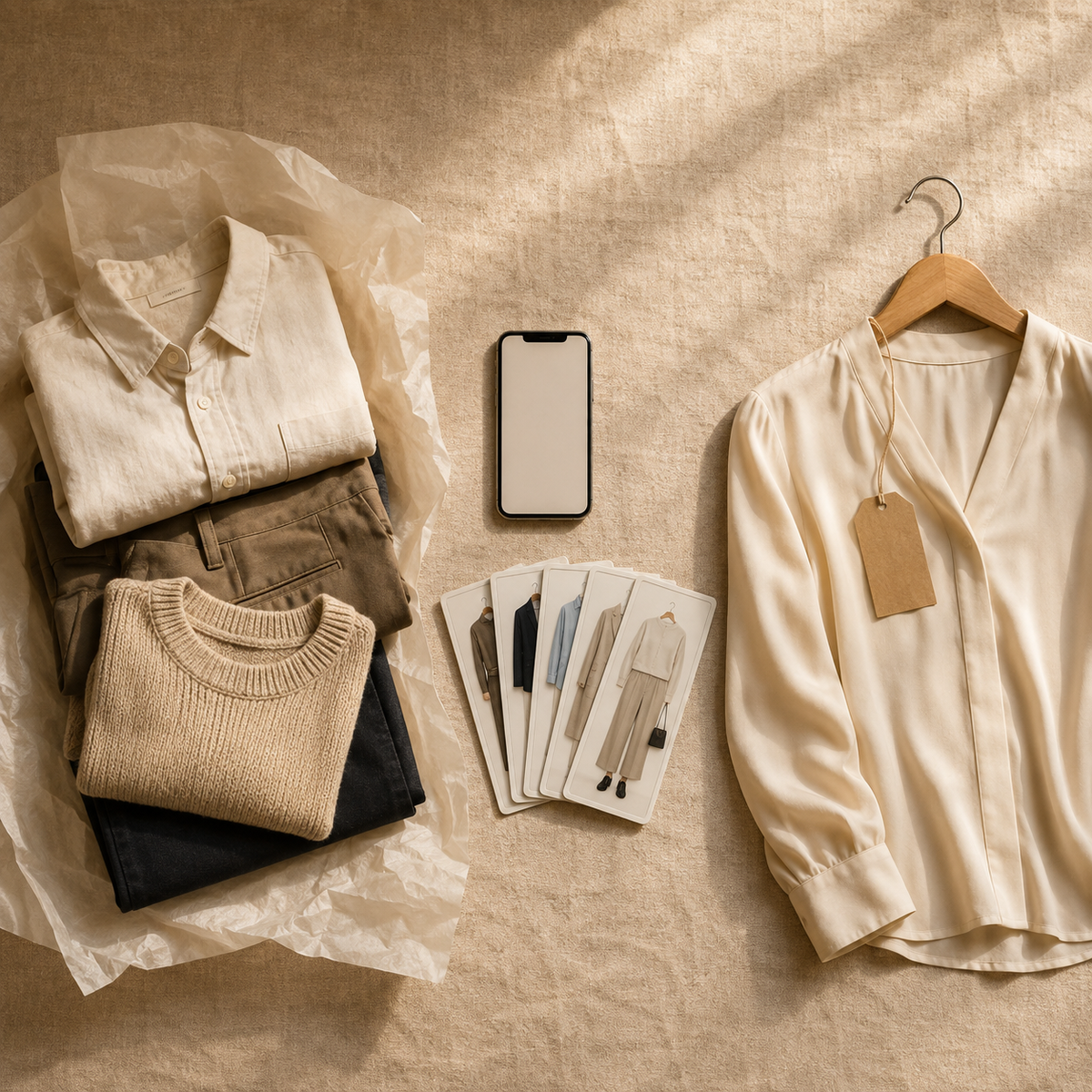
The 2026 Stitch Fix alternatives market is not a single category. Three distinct models have emerged, each built around a different assumption about what "personal styling" should mean — and what it should cost.
Model 1 — Premium Box Services with Human Stylists Services like Wantable, Dailylook, and Dia & Co. follow the closest structural parallel to Stitch Fix: a stylist curates physical items, ships them to your door, and you pay a styling fee that applies toward purchases. The try-on-at-home experience is the core value proposition.
Model 2 — AI Wardrobe Apps (No Boxes, No Fees) Elara, Whering, Indyx, and Cladwell take a fundamentally different approach. Instead of sending new clothes, these platforms digitize your existing wardrobe and use AI to surface outfits, identify real gaps, and recommend purchases only when they add genuine value. No shipping. No returns. No styling fee.
Model 3 — Rental & Secondhand Nuuly ($98/month), Rent the Runway ($75–$100/month), and ThredUp's Goody Box ($10 styling fee) serve shoppers who want variety without permanent ownership. The secondhand market alone is projected to reach $350 billion by 2028, according to market research cited by CheckThat.ai — this is a mainstream category, not a niche.
Which model fits your situation?
These models also serve a broader demographic than Stitch Fix's historically female-skewed audience. Many Gen Z shoppers prefer gender-neutral styling options — and AI wardrobe apps in particular adapt to individual preference rather than gendered product categories, making them the most inclusive of the three models by design.
Premium Box Alternatives: Wantable, Dailylook & Dia & Co.
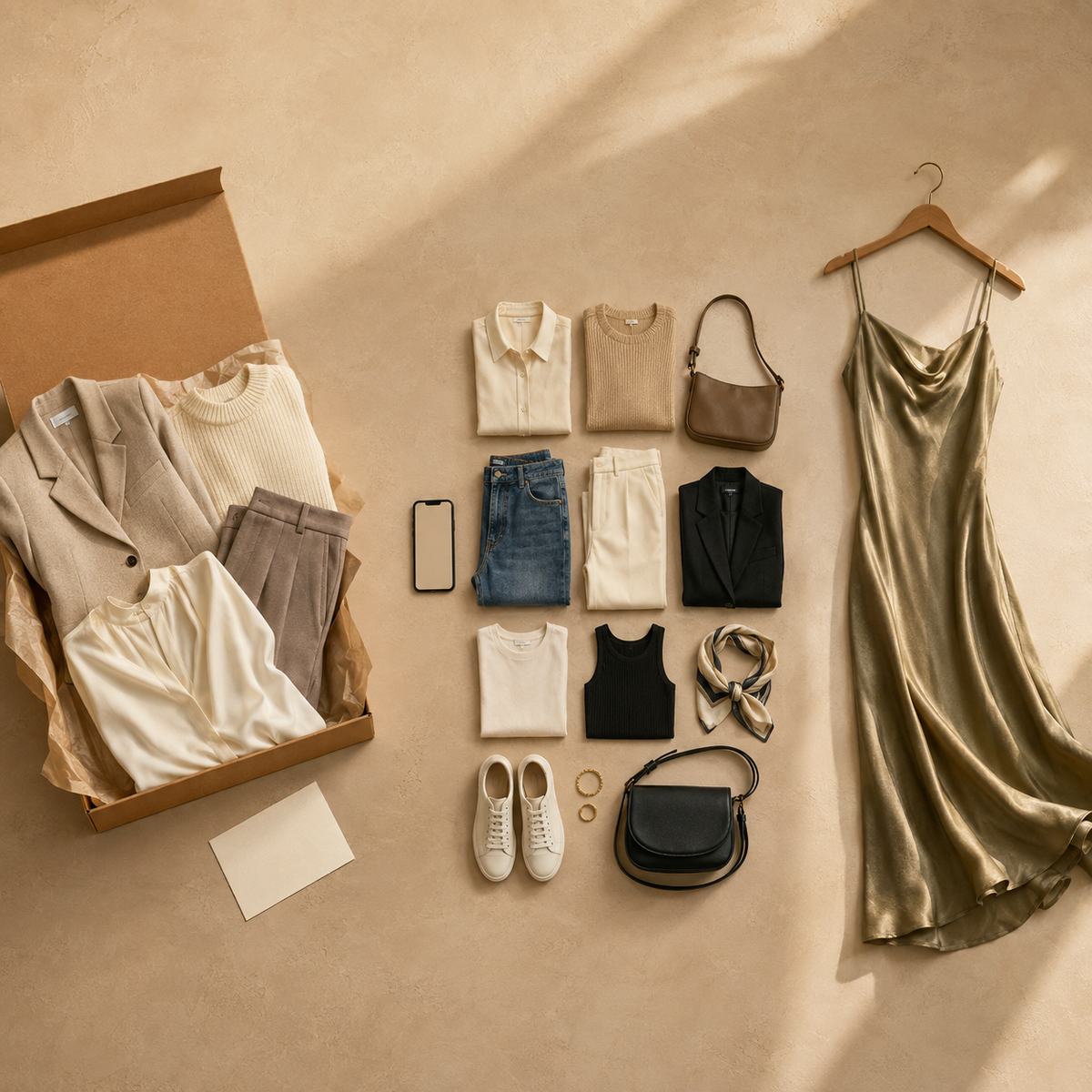
For shoppers who want the closest like-for-like Stitch Fix experience — a human stylist, physical items to try at home, and a curated box arriving at the door — three services stand out in 2026.
Wantable earns its 4.8/5 rating from 2,092 reviews through specialization. Rather than a single general wardrobe box, it offers themed Edits — Style, Active, and Sleep — which lets shoppers opt into a category that actually matches their life. The Active Edit, in particular, fills a gap Stitch Fix never adequately addressed.
Dailylook charges a higher $40 styling fee but sends up to 12 pieces per box, making the per-item fee lower if you keep several pieces. Its 4.0–4.2/5 rating across 3,851+ reviews suggests consistent satisfaction at scale — the larger review pool makes this rating more statistically reliable than smaller competitors.
Dia & Co. warrants attention for plus-size shoppers specifically — it serves sizes 10–32 at a $20 styling fee, a demographic that mainstream services have historically underserved. The 1.8/5 rating comes from only 22 reviews, which is too small a sample to draw firm conclusions. Treat it as a data point to watch, not a verdict.
For historical context on what this category can become: Trunk Club, before winding down, reached $87M in annual revenue with 900 employees — proof that premium human-curated styling can scale significantly.
On gender coverage: Wantable and Dailylook serve both men and women. Dia & Co. is women-focused. None of these services match the gender-neutral flexibility of AI wardrobe apps covered in the next section.
Similar to Stitch Fix But Cheaper: Budget and Secondhand Options
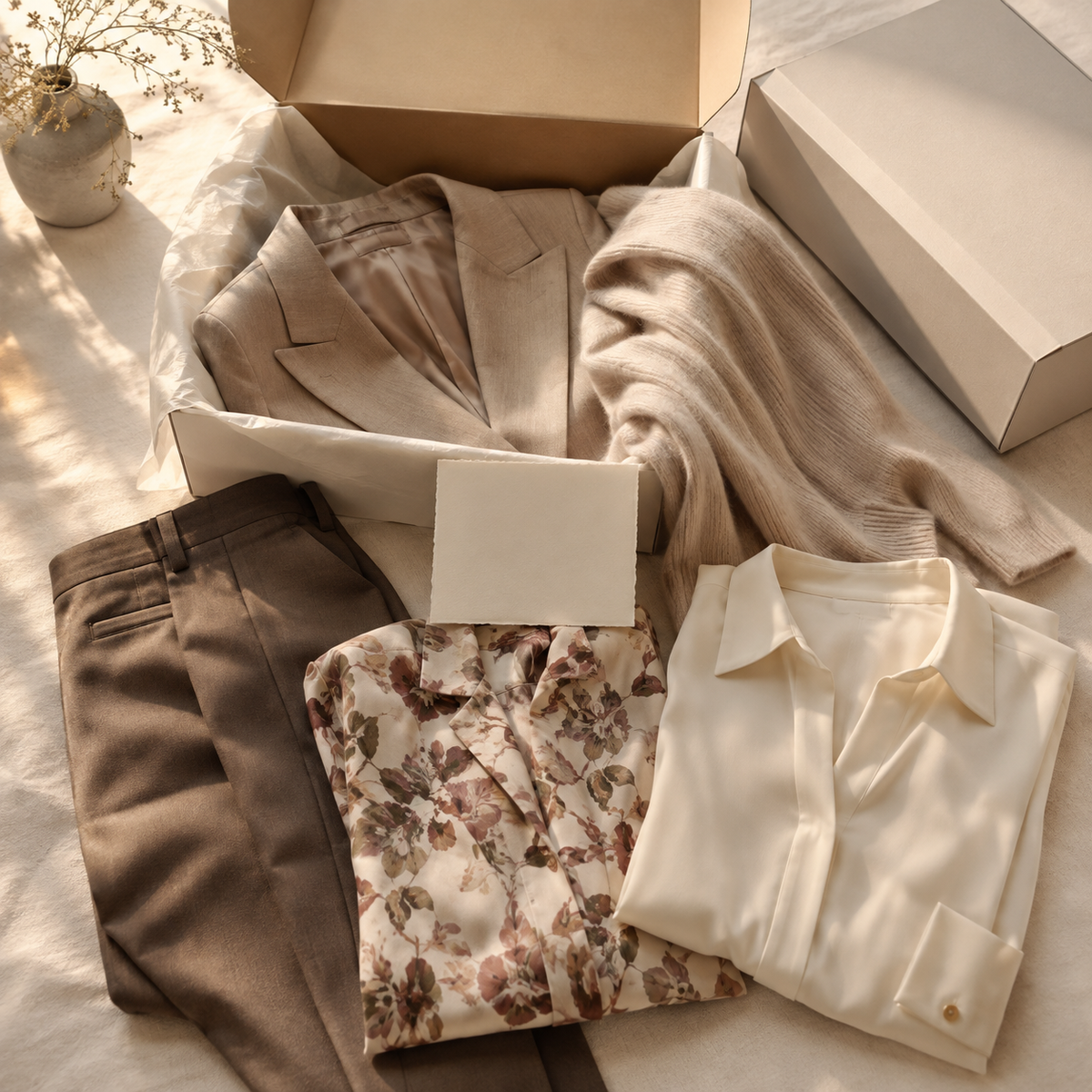
The cheapest curated box on the market right now is ThredUp's Goody Box, which charges a $10 styling fee — half of Stitch Fix's standard fee. Because items are secondhand, per-piece prices are significantly lower than new-item services. The honest caveat: condition and brand consistency vary more than with new-item boxes. If you need a specific label or pristine quality, that variability matters. If you're open to pre-loved fashion, the value-to-cost ratio is hard to beat.
Rental services like Nuuly ($98/month) and Rent the Runway ($75–$100/month) look expensive at first glance, but the right frame isn't cost per month — it's cost per outfit worn. A shopper who rotates through eight to ten pieces monthly and returns them pays roughly $10–$12 per item worn, far less than buying and returning. For trend-curious shoppers or frequent event-goers, the math works. For someone who wears the same core wardrobe week to week, it doesn't.
Want this styled from your own closet?
Elara builds the look from what you own, then lets you try it on.
The cheapest tier overall is AI styling apps. Cladwell runs approximately $5–8/month as a capsule wardrobe builder. Indyx is $9/month for AI-powered catalog-based recommendations. Whering offers a free tier entirely. AI-powered apps let you digitize your closet, get outfit suggestions, and discover new pieces that complement what you already own — many without charging a monthly fee.
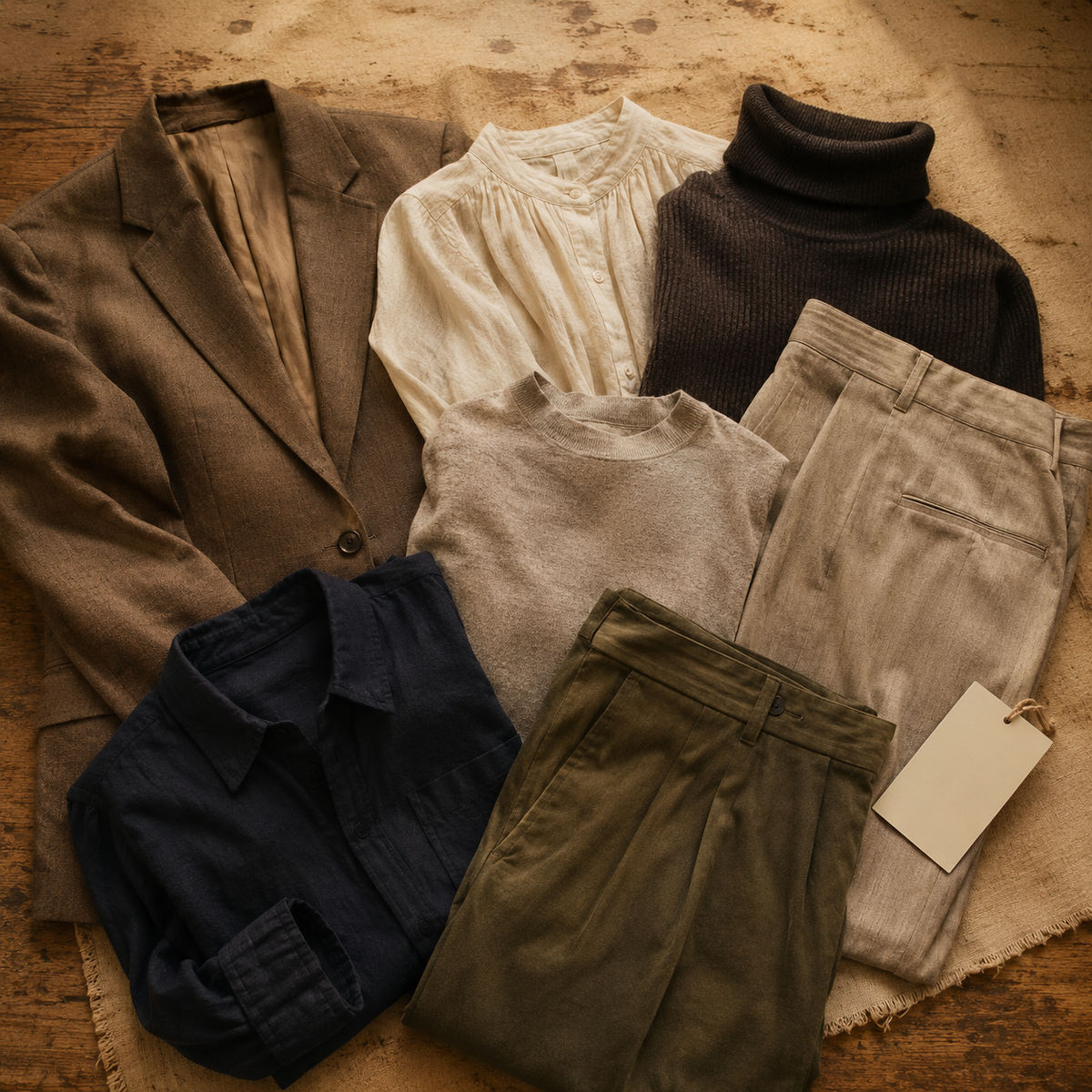
Elara fits this tier but operates on a different philosophy than the others. Rather than simply suggesting outfits or tracking what you own, it focuses on reducing total fashion spend over time — recommending new purchases only when they fill a genuine gap in your wardrobe. The savings aren't just in the monthly fee; they're in the impulse buys you never make.
AI Wardrobe Apps: The Stitch Fix Alternative That Pays You Back
AI wardrobe apps are not a niche workaround for people who dislike boxes. According to industry research, AI in fashion is growing at a 40.8% CAGR, and 35% of leading fashion retailers already use AI for trend prediction and personalization as of 2025. This is mainstream infrastructure, and the consumer-facing apps built on top of it have matured accordingly.
The core value proposition is a reversal of the Stitch Fix model. Instead of sending you new clothes to try and return, these apps surface outfits from what you already own — reducing decision fatigue, cutting fashion waste, and making your existing wardrobe feel larger. For users who found Stitch Fix suggestions felt generic (a recurring theme in Reddit communities like r/femalefashionadvice and r/malefashionadvice), that's a meaningful shift. AI apps learn individual preference continuously, not from a one-time style quiz completed years ago.
The main options break down cleanly:
- Whering — Free. Wardrobe digitization and outfit tracking with a sustainability focus. Best for shoppers who want to understand what they already own before buying anything new.
- Indyx — $9/month. Catalog-based AI recommendations with a clean self-styling interface. Best for shoppers who want structured outfit suggestions without a subscription box.
- Cladwell — ~$5–8/month. Capsule wardrobe builder with daily outfit suggestions. Best for minimalists building a deliberate, cohesive wardrobe.
Elara goes further than any of these on personalization. The interface is conversational — you talk or type, and the AI responds in real time, asking follow-up questions about your day, the occasion, or what you're in the mood to wear. It knows your wardrobe because you've built it together, and it recommends purchases only when they fill a real gap rather than pushing novelty for its own sake. The context-aware shopping feature is particularly useful: rather than browsing blindly, you get recommendations that account for what you already own, what's missing, and what actually fits your style. It's like having a stylist who actually knows your closet. You can explore it at joinelara.com.
For anyone who left Stitch Fix because the boxes felt like someone else's idea of their style, that distinction is exactly the point.
Stitch Fix Alternatives by Gender and Life Stage
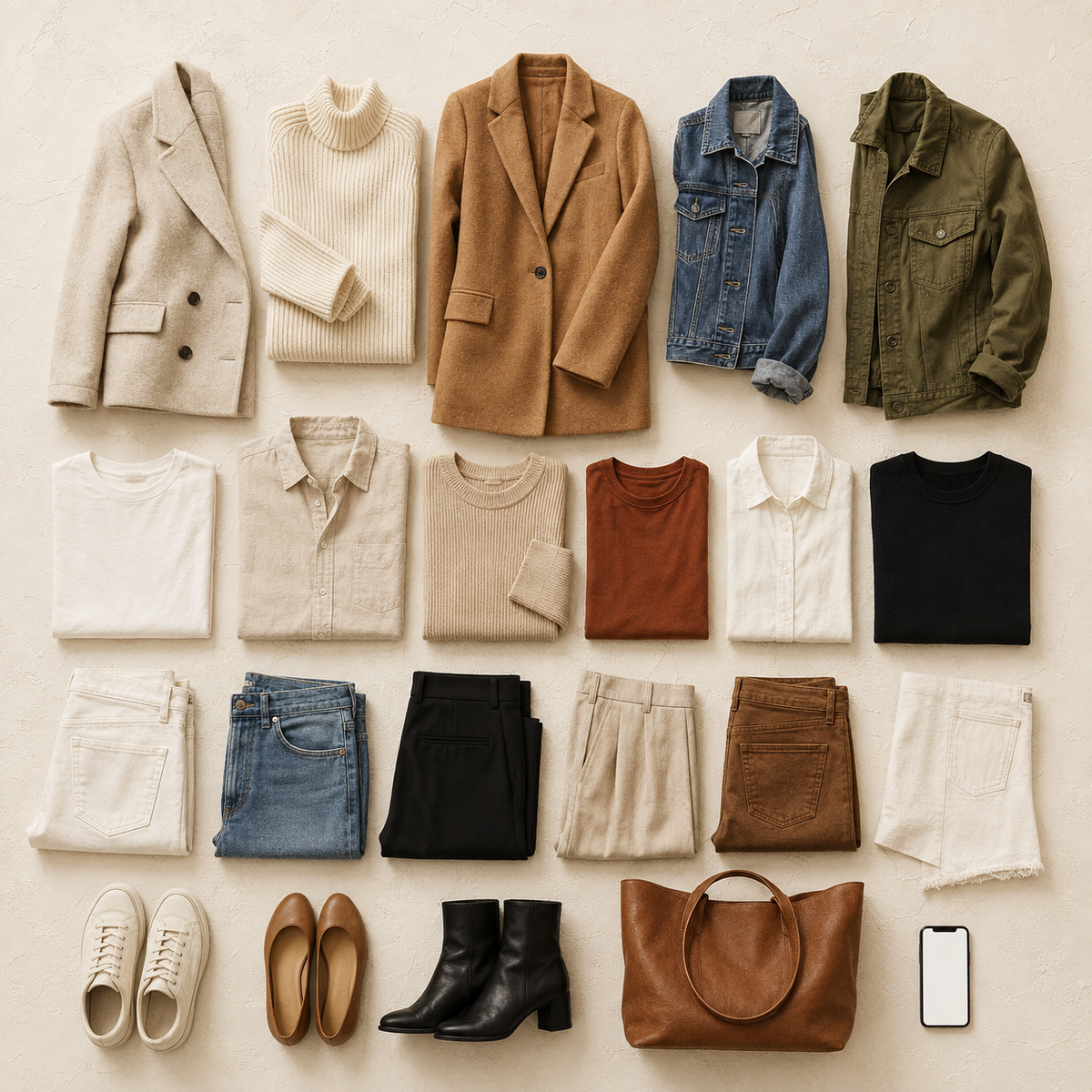
That wardrobe-first framing applies regardless of who you are or where you are in life — but the right starting point often depends on your specific context.
For women, the strongest box alternatives are Wantable (4.8/5 from 2,092 reviews, with dedicated Style and Active Edits), Dailylook (4.0–4.2/5, up to 12 pieces per box for maximum variety), and Dia & Co. for plus-size shoppers in sizes 10–32. For occasion dressing, Rent the Runway at $75–$100/month offers more flexibility than owning pieces you'll wear once.
For men, Amazon Personal Shopper fills the gap left by Trunk Club's wind-down, while gender-neutral AI apps are increasingly the practical default — no gendered box categories, no assumptions baked in.
That last point matters more than it might seem. Many Gen Z shoppers prefer gender-neutral styling options. AI apps like Elara, Whering, and Indyx reflect this by design — they style the individual, not a demographic.
By life stage, the clearest matches:
- Busy professionals → AI apps (Elara, Cladwell) for daily outfit suggestions without decision fatigue
- Trend-explorers → Nuuly ($98/month) or Rent the Runway for rotating wardrobes
- Plus-size shoppers → Dia & Co. for dedicated fit expertise
- Budget-conscious → ThredUp's $10 Goody Box or Cladwell at ~$5–8/month
These gender- and life-stage-specific options are useful starting points, but they all map back to the same three-model framework: box, AI app, or rental/resale. Your life stage shapes which model fits — it doesn't change the architecture of the choice.
How to Choose the Right Stitch Fix Alternative for You
The decision comes down to one question: do you want someone to send you clothes, help you wear what you own, or let you borrow without committing?
Here's a direct framework:
- If you love the unboxing experience and human curation → Wantable or Dailylook. Both offer styling fees applied to purchases, so you're not paying for nothing.
- If you want the cheapest possible entry point → ThredUp's $10 Goody Box, or a $5/month AI app like Cladwell.
- If you want to shop smarter and actually use what you already own → Elara or Whering. No boxes, no fees, no returns.
- If you want variety without ownership → Nuuly or Rent the Runway, both built for rotating wardrobes rather than accumulation.
- If plus-size fit expertise is non-negotiable → Dia & Co., which serves sizes 10–32 with dedicated stylists.
The underlying logic here comes from McKinsey's State of Fashion report: 71% of consumers now expect personalized interactions and prioritize value over brand loyalty. That's not just a preference shift — it's a signal that the best alternative isn't the one with the most items per box. It's the one that actually learns you over time.
AI apps are built for exactly that. They don't reset with each shipment; they compound. Want to see how an AI stylist works with your actual wardrobe? Try Elara free at joinelara.com.
The market is moving toward AI-first, wardrobe-integrated, fee-free styling. Choosing an AI app in 2026 isn't a compromise — it's where the category is already headed.
Conclusion: The Future of Personal Styling Is Already Here
The best Stitch Fix alternative in 2026 isn't another box — it's the model that fits how you actually live, shop, and dress. Whether that's human-curated boxes, rotating rentals, or an AI that knows your wardrobe, all three paths are now mainstream. AI fashion tools are growing at a 40.8% CAGR, and the secondhand market is projected to hit $350 billion by 2028 — neither trajectory is niche anymore. If you're curious about the AI wardrobe-first model — the one that starts with what you already own and builds from there — joinelara.com is where to start.
Your stylist, in your pocket
Stop reading about outfits. Start wearing them.
Elara knows your closet, shops every store and gets you dressed for any occasion.